Peruvian blueberries: when the container is filled before reaching its weight limit
By: Natalia Rubio Iversen
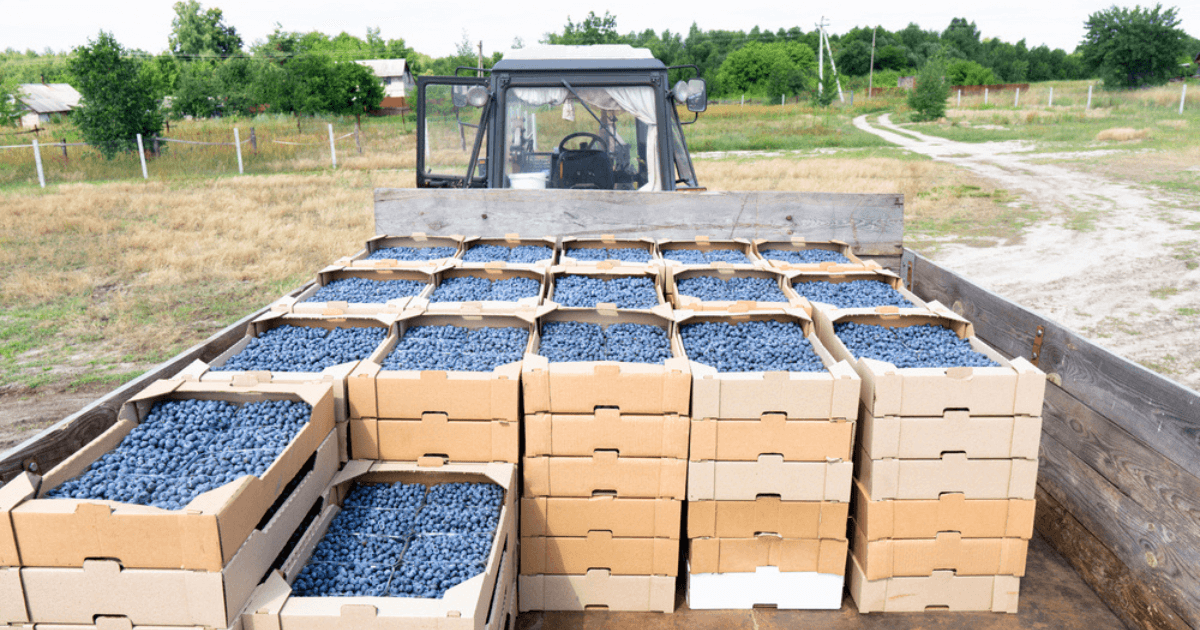
In the packaging configurations analyzed by Fuxing Development Group, the space occupied by the trays and the pallet configuration can limit the net load of fruit before reaching the maximum weight capacity of the container.
The company published a technical guide aimed at Peruvian exporters planning their packaging requirements, comparing formats used for fresh blueberries and the volumes that can be moved under certain loading configurations.

The volume of the packaging determines the net load
According to calculations presented by Fuxing, a tray with 12 clamshells of 125 grams each contains 1,5 net kilos of fruit. With eight trays per level, between 18 and 22 levels, and 20 pallets, a 40-foot refrigerated container can move approximately 2.900 to 3.500 trays, equivalent to 4,3–5,3 net tons of blueberries.
For a presentation of 12 six-ounce containers, equivalent to 2,04 net kilos per tray, the company estimates between 2.400 and 2.900 trays per container, with a net load of approximately 4,9–5,9 tons.
The figures correspond to the configurations analyzed by Fuxing and may vary according to the packaging format and the configuration used for palletization.
“Blueberries carry air. Each additional pallet layer the receiver accepts is worth more per kilo of freight than any discount on the tray; that's why wet compression strength, measured at 0°C and 95% humidity, is the specification that pays for itself,” said Fuyang Huang, general manager of Fuxing Development Group.

Pallet strength and configuration
Fuxing links the number of levels a pallet can support with the compression strength of the packaging.
The company pays special attention to evaluating that resistance at 0°C and 95% humidity, parameters used in the guide to analyze the behavior of the packaging.
From that perspective, Fuxing suggests that the structural strength of the trays should be considered along with the palletization configuration defined for each export program.
From clamshell to field bag
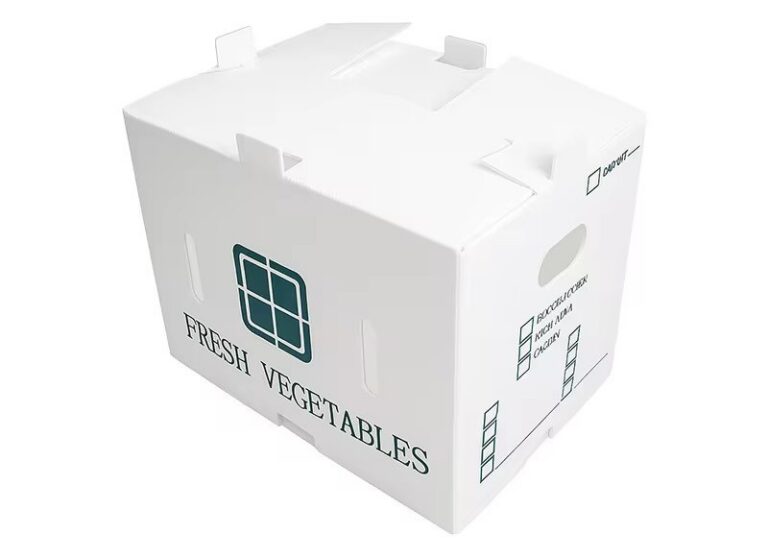
The guide distinguishes four components of the packaging: the PET clamshell, the corrugated cardboard tray, the bags used in certain transit programs, and the corrugated plastic crates used in the transfer from the farm to the plant.
© Fuxing Development Group Limited
Primary packaging formats vary depending on the market and commercial program. Examples include 125-gram clamshells and 6-ounce presentations used in various export configurations.
The guide also includes modified atmosphere packaging (MAP) and micro-perforated bags among the solutions used in certain long-term transit programs.
The packaging is planned in advance.
Another point addressed is the time required to have the material available before its use.
According to the plan presented by Fuxing, maritime transport between Asia and Callao may require between 30 and 35 days, plus three to four weeks of manufacturing and between one and two weeks for the development of the graphic art.
Overall, the company estimates a timeframe of approximately 10 to 12 weeks, which, according to its recommendation, requires anticipating purchasing decisions.
For programs concentrated between September and November, Fuxing plans to close orders in June, while for the late window in Ica, Arequipa and Moquegua, that planning takes place between September and October.
Fuxing Development Group developed the guide for the Peruvian export market based on its experience in packaging solutions for fresh fruit, including corrugated cardboard trays and boxes, modified atmosphere bags and corrugated plastic crates.
More Information
Complete technical guide on packaging for blueberry exports: https://www.fuxingglobal.com/es/empaque-arandanos-exportacion-peru.html
MAP and micro-perforated bags to prevent damage: https://www.fuxingglobal.com/es/bolsas-cerezas-arandanos-guia.html
Previous article
Shanghai and Ningbo ports face delays of up to two weeks: How does this affect Peruvian trade?next article
ARTÍCULOS RELACIONADOS