Camposol bets on its own genetics, the new blueberry variety behind it

Camposol aims to continue strengthening its offer in agro-exportable products; specifically, in blueberries. Thus, the multinational with operations also in Uruguay, Chile, Colombia and Mexico is preparing to expand its portfolio with new varieties in its Peruvian fields.

The general manager of the company, José Antonio Gómez-Bazán, pointed out that the varietal replacement of blueberries has begun. In this way, he explained that they have a genetic crossing program that each year generates new varieties of Peruvian origin.
“We have a lot of faith in our own genetic program that we have been developing for eight years. “We have advanced with our own Peruvian genetics 'La Chola', which adapts very well to climatic conditions and we believe that it is Camposol's great bet for blueberries,” he expressed.

The executive specified that there are currently 50 hectares planted with the new 'La Chola' variety, while this year the installation of 250 more hectares is being sought. Regarding yield, Gómez-Bazán highlighted that this variety exceeds 25 tons per hectare and its caliber (size) is double that of the Biloxi variety, and its harvest cost decreases significantly.
The development of Biloxi
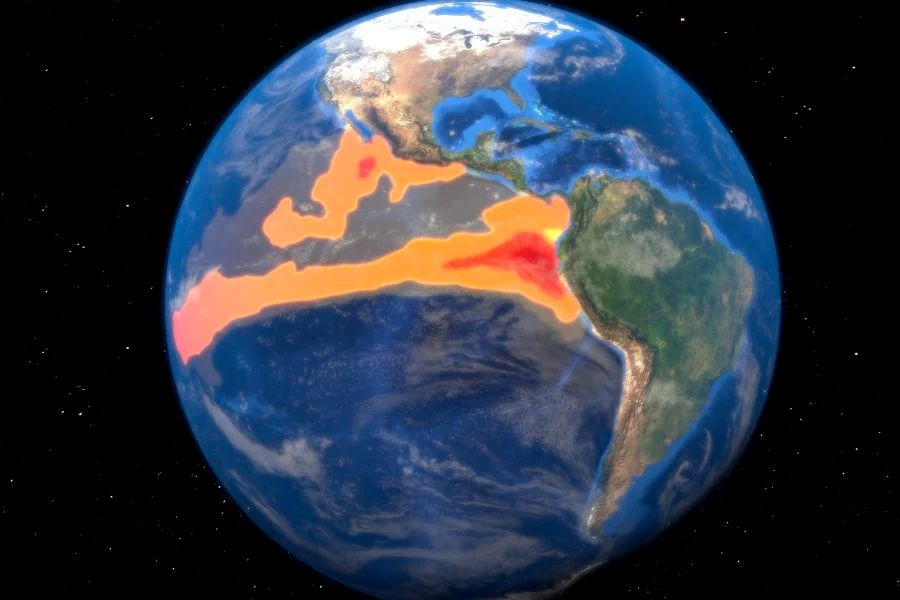
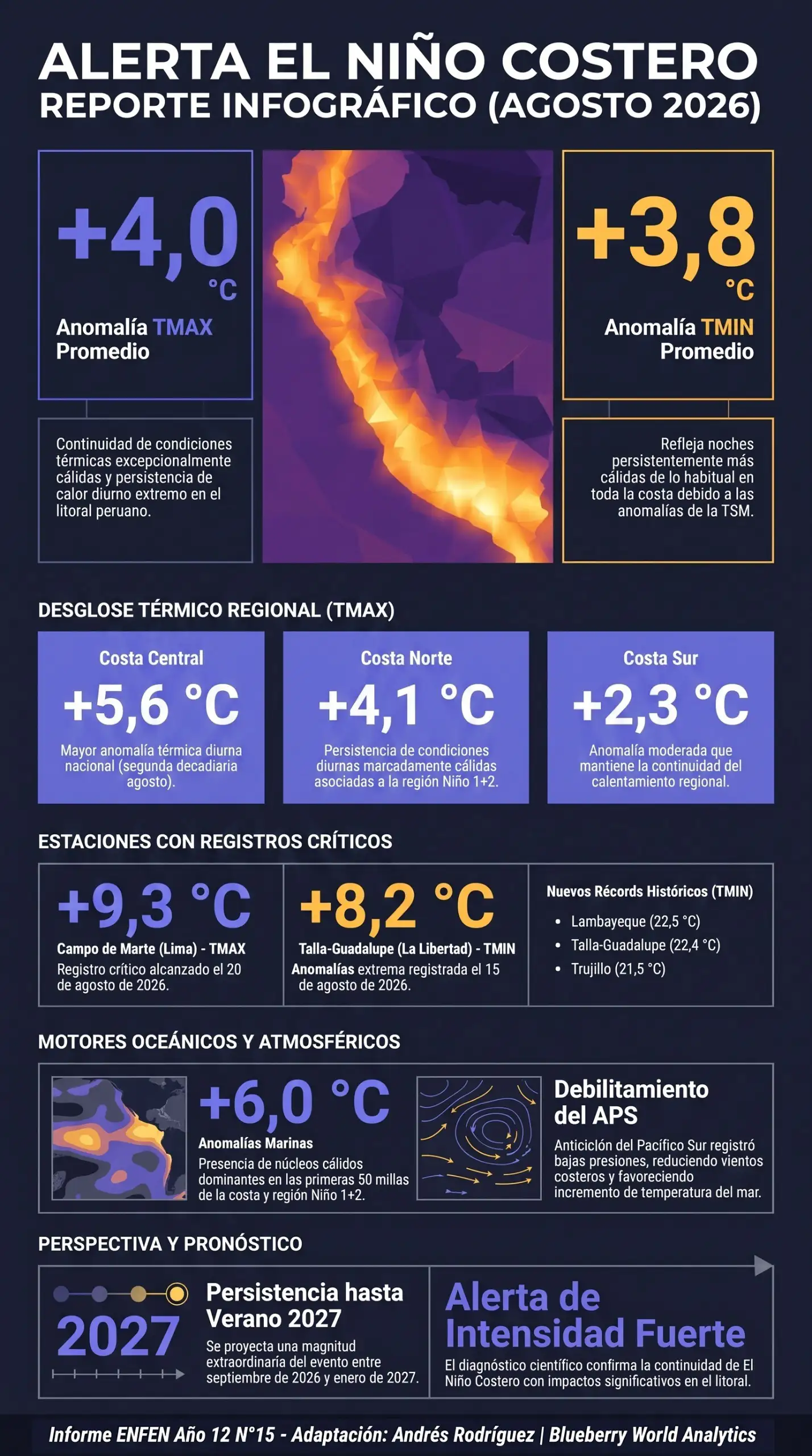
Gómez-Bazán indicated that last year, due to the presence of the Niño Costero and its high temperatures, Biloxi's good behavior in adapting to this climate was evident. Thus, Camposol chose to continue planting this type of blueberry. “On the basis of this variety and adaptability to climate change, new genetics have been developed,” he added.

Jose Antonio Gomez Bazan – CEO-at-Camposol

In this sense, Camposol aims to install more hectares of blueberries of the new 'La Chola' variety, in order to increase production volume. These crops are planned in the Chavimochic area, which has the conditions for the development of this crop. “Now with the expansion of Chavimochic it allows us to have access to more areas that we have, but that did not have water before, that will allow us to expand the surface of blueberries,” he concluded.
Previous article
SADER: “Our main challenge is the consequences of climate change”ARTÍCULOS RELACIONADOS