How the blueberry industry continues to develop

As blueberry supply continues to increase in North America at this time to meet strong demand, what is evident is that the industry continues to evolve to meet consumer expectations. Those expectations include the berry being supplied year-round. “As the category grows, the future is to leverage new dining experiences.
Snacks are a natural bonus for blueberries. For adults and children, blueberries are an easy, delicious and healthy snack,” says Jyoti Bhogal, Vice President of Sales and Marketing at Berry Fresh. “We are starting to see the industry leaning towards this through innovation in packaging: resealable, to-go, single-serving, etc. “Through unique packaging and differentiated flavor offerings, the category has many opportunities.”

Sustainability also influences those packaging decisions. “If we look to the future, sustainability is becoming a requirement to enter the market. The industry is learning to pivot quickly as new regulations and preferences push producers to offer more sustainable products,” says Bhogal.

Jyoti Bhogal, Vice President of Sales,Berry Fresh
What's inside those packaging options clearly counts too, and that's where genetics come into play.
“Consumers not only eat berries because they are healthy, but they also look for exceptional flavor. The industry is pushing to improve the experience of eating berries,” adds Bhogal. “Through partnerships and investments in proprietary genetics, we are excited to showcase some of our best blueberry varieties from Mexico this upcoming season.”

Genetic developments
As production moves into Mexico, the following are the Sekoya™ blueberry varieties that Bhogal says retailers are seeking because of their superior flavor, texture and quality.
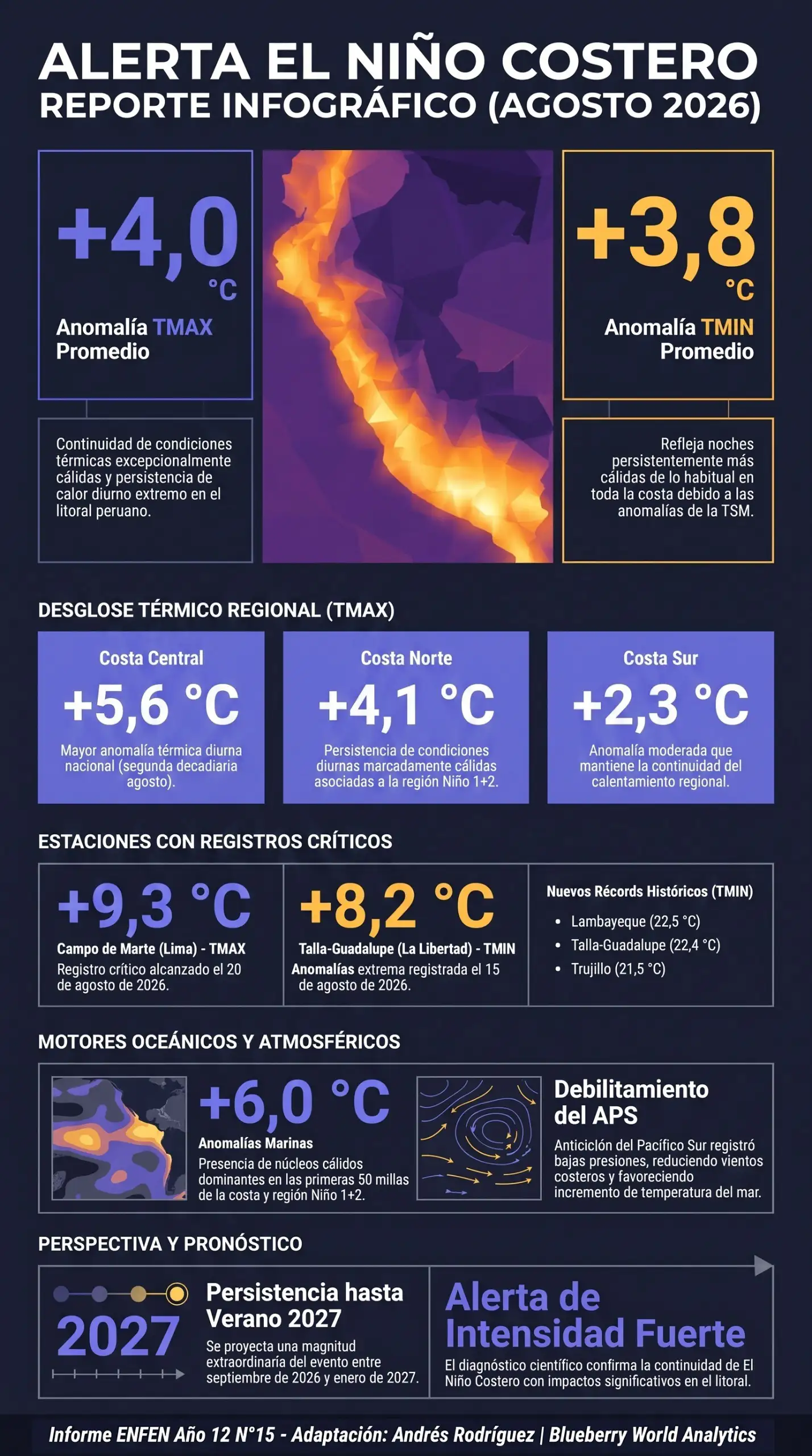
Right now, blueberries are still coming from Peru, a country whose harvest overall decreased this season by about 30 percent due to the El Niño winter, which was warmer and affected fruit sets in northern regions, as well as in certain regions of Mexico.
That said, Peru's supply has increased over the past three weeks compared to the previous season. “Entering the US market, Peru is the main driver with 79 percent of the share. The rest of the supply that reaches the US is divided mainly between Mexico and Chile,” says Bhogal.
Chile's harvest is also down up to 35 percent compared to last year and was also delayed two to three weeks due to colder weather. As for Mexico, it only represents 13% of the total volume in the market at the moment, although it is increasing to have a large spring harvest.

Changes in weather patterns
Climate, in fact, is one of the most important challenges currently facing the blueberry industry. “In recent years, we are starting to see the effects of extreme weather patterns on our industry,” says Bhogal. “From record heat to record low temperatures, our growers face new climate and environmental challenges each season.”
Meanwhile, looking ahead, demand for blueberries should remain stable as retailers are preparing for intense promotional activity, capitalizing on consumers' focus on healthy eating during the first part of the year. “Blueberries are becoming a year-round offering expected by consumers, and the beginning of the year is a key period to capitalize on the conversation among consumers about boosting health,” he adds.
Previous article
«Moroccan blueberries enjoy a window of calm competition»ARTÍCULOS RELACIONADOS