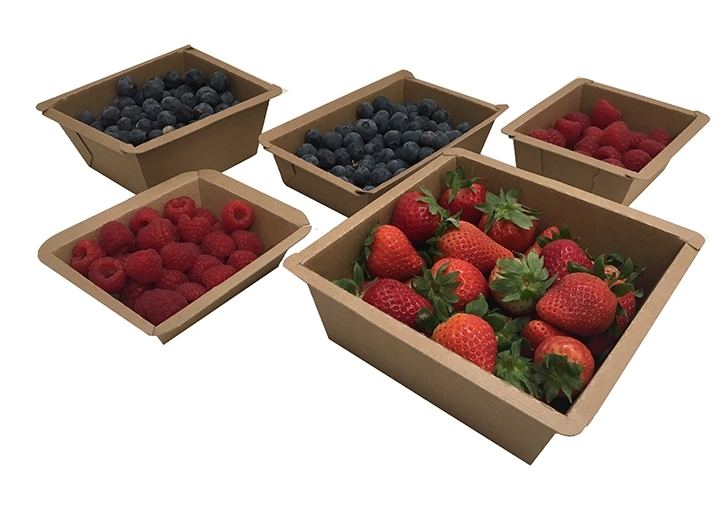
Active packaging aims to improve the transport of blueberries, reducing losses and extending their shelf life.
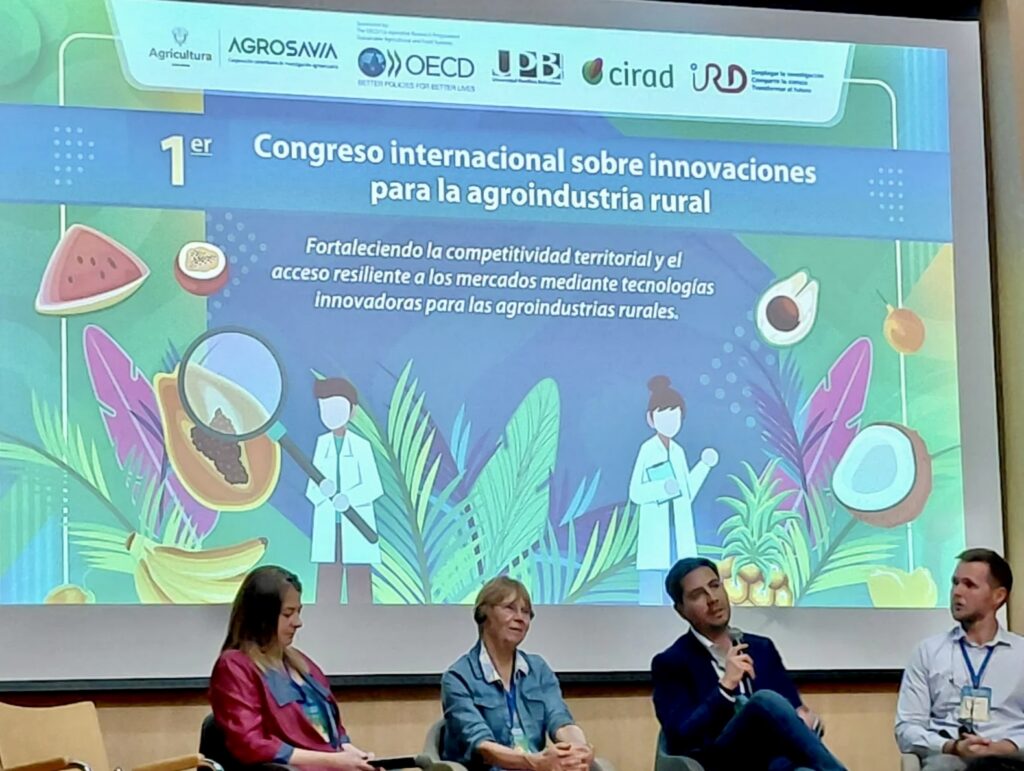
Fruit was at the center of the technology conversation in MedellínDuring the meeting organized by the Pontifical Bolivarian University (UPB), Agricultural Research Institute of Chile (INIA) It showcased a line of work that directly addresses one of the biggest challenges facing fruit exporters: how to maintain quality, firmness, and appearance across long supply chains. Dr. Pablo Ulloa, from the Postharvest laboratory of INIA La Platina, presented the advances in active and intelligent packaging systems designed to accompany the fruit from the orchard to the point of sale without losing quality.

In her presentation “Active Packaging Systems: a complementary and sustainable alternative during post-harvest,” Ulloa explained that these containers are not passive, but rather They interact with the food and with the internal atmosphere of the packaging.They are formulated with biopolymeric materials that incorporate natural compounds—such as essential oils of mustard and fennel—capable of releasing molecules in controlled doses. This mechanism helps to mitigate the spread of pathogens, regulate the microenvironment and add days of shelf life without altering the taste or texture of the fruit.
© INIA

The case of blueberry It was one of the clearest. In this berry, where Botrytis It is a recurring enemy on long journeys; active packaging helps maintain firmness and bloom, reduces rot, and standardizes the consumer experience at the destination. Ulloa emphasized that it is not about replacing the cold chain, hygiene, or authorized treatments, but rather about add a layer of protection that provides greater logistical flexibility and allows reaching distant markets with fruit in better condition.

The impact is felt throughout the entire supply chain. For exporters, these systems mean Fewer rejections and more transport optionsFor retailers, this means greater availability and fewer stockouts; for consumers, fruit that stays appealing for longer. Furthermore, by working with biopolymers and naturally derived compounds, the proposal aligns with the international demands for sustainability and food waste reduction.
The congress, which brought together specialists and stakeholders from Latin American agriculture, focused on technologies that promote rural development. In this context, INIA La Platina's experience showcased an applied R&D pathway with a very specific objective for fruit export chains: that the fruit arrives better, goes further and arrives on time.
Previous article
US blueberry imports increase to meet year-round demandARTÍCULOS RELACIONADOS