Spain: Cranberry, a crop that the sector must pamper

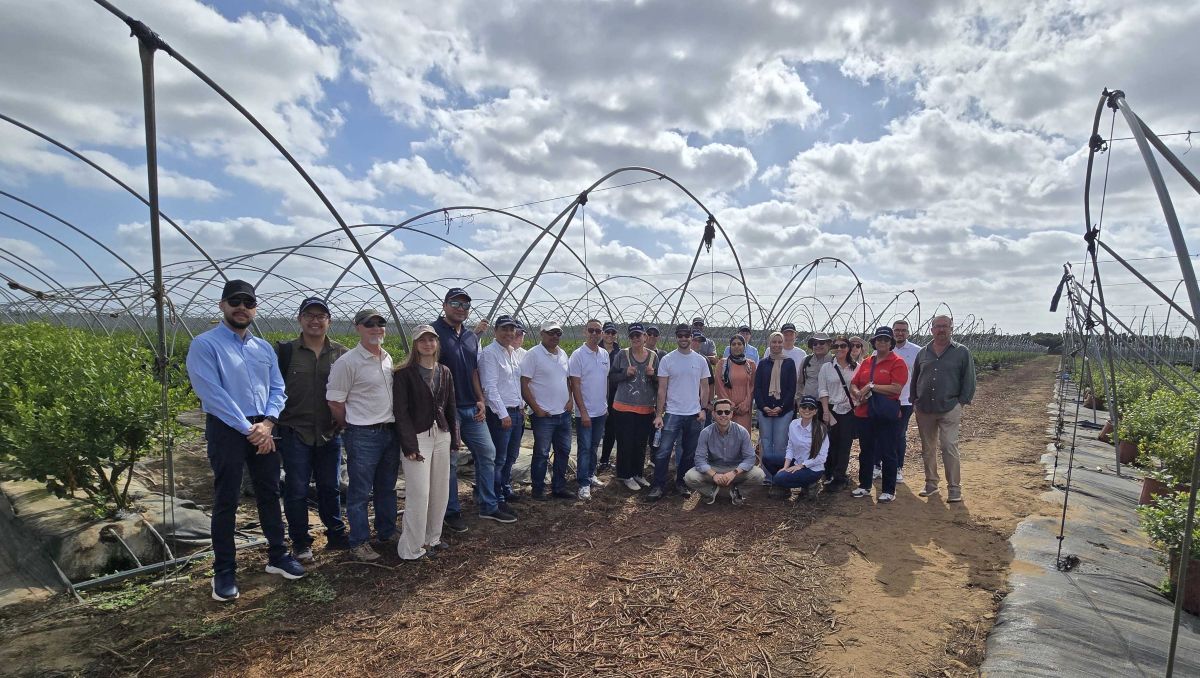
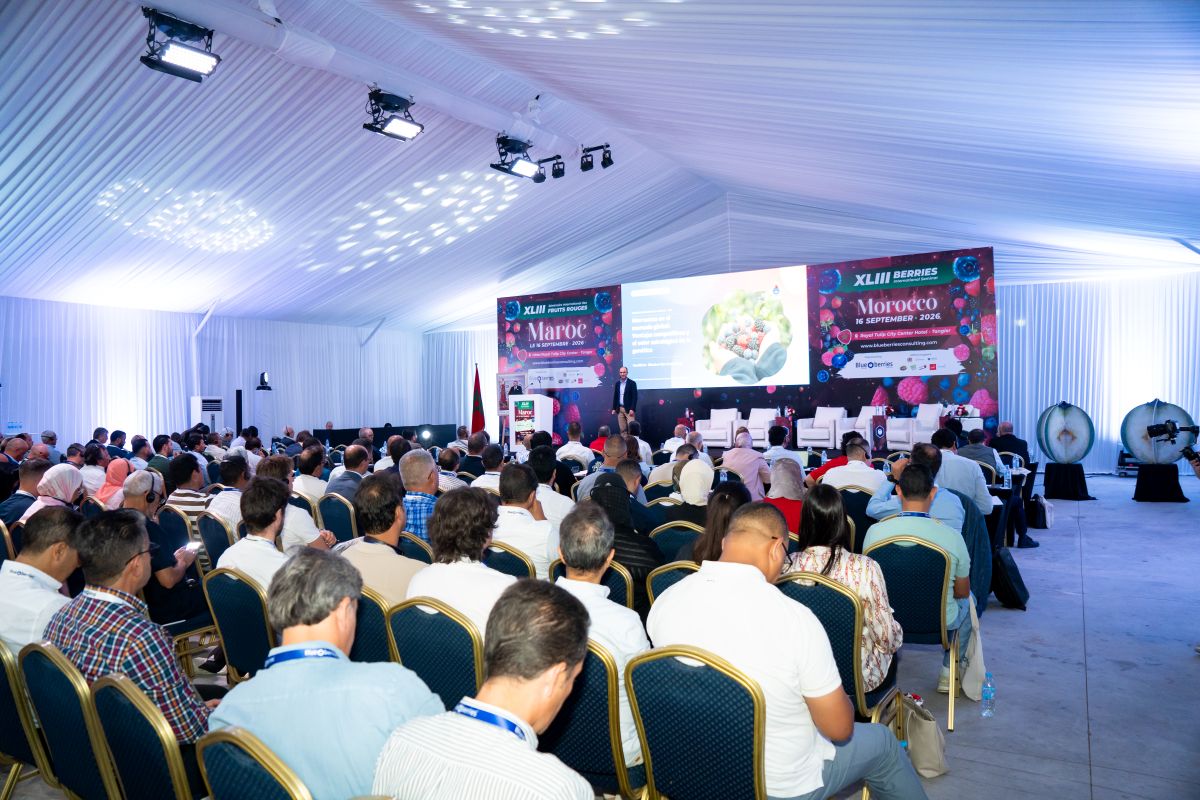
Organized by the College of Agricultural Technical Engineers of Western Andalusia (Andalusia Delegation), on Thursday 16 of April took place in the facilities of the Cooperativa Cuna de Platero, the First Technical Day of Cranberry Cultivation, one of the berries that grows the most Experiencing in the province, and hence the need for technicians and farmers to train in agronomic, varietal and commercial aspects.
This day, which had a large influx of public, began with a conference on technical aspects of the crop, given by Ramón Aguilar, ITA, continuing with a presentation of the main pests and diseases affecting this berry, scarce and controlled by the moment, but to which we must be attentive. In this sense, the speakers, Pablo Alvarado, of AGAPA, and Juan Bascón, of the Plant Health Laboratory of the Junta de Andalucía, stressed the need to bet on registered plant material, free of viruses, as a preventive measure for future diseases in this culture.
Special interest awakened the conference on varieties of blueberries, led by José Manuel Aguilar, member of the Driscoll Agronomy Team, and Diego Pozanco, responsible for product development of Rústicas del Guadalquivir. Aguilar, after reviewing the career of Driscoll nationally and internationally, explained the different varieties that the company has, a program that allows them to differentiate themselves from other operators worldwide. On the other hand, Pozanco explained the license regime under which Rústicas del Guadalquivir operates, detailing the varieties of the University of Florida that they make available to the sector, and the possible sanctions that a fraudulent use of them would entail.
After a short break, the day continued with a presentation on the use of thiosulphate through fertigation. José Manuel Romaneda, technical managers of the multinational Tessenderlo, made an exposition of the benefits of the use of calcium thiosulfate and potassium thiosulfate, both very little used in Spain, but very developed in the USA, hence Romaneda will invite technicians and farmers to bet on these salts, with great benefits for the cultivation of cranberry.
Next, a Round Table on Commercialization was given, with the presence of firms such as Cuna de Platero and Euroberry. Sergio Sainz, commercial director of Cuna de Platero, said that the blueberry present in these moments great growth opportunities, not only in Europe, but also in more distant markets, such as Asia, hence the need to open export protocols with those destinations . Another line of work that Sainz highlighted is the industry, leaving to see that the commercialization of frozen blueberries is also a way that should be studied.
For his part, Alberto Jiménez, Product Manager of Euroberry Marketing, focused his presentation on the commercial situation of cranberry worldwide, with large productions in countries such as Chile, which export more each year to Europe, or Peru and South Africa, which count with important crop development programs for the coming years. In this sense Jiménez projected several slides in which we could see how the average price of cranberry in Europe has gone from 7,5 € / kg in 2011, with peaks up to 15 € / kg, up to 5 € / kg from last season. According to the manager of Euroberry, this is due to a saturation of the markets at certain times, so he predicted that if the sector does not diversify into varieties, it will end up happening in cranberry the same thing that already happened in strawberry and that is happening now in raspberry : greater supply that demand, with the consequent fall in prices.
At the end of the day, Juan Báñez, manager of Cuna de Platero, took the floor. He wanted to make it clear that in this scenario we must look for tools that allow a clear differentiation in the linear. According to Báñez, these should come well for the brand, the variety or the packaging.
This was the end of this First Technical Day of the Cranberry, leaving on the table the hard work that the sector must do in blueberries, in all aspects, agronomic, varietal and commercial, especially if you do not want to repeat the mistakes made in strawberries and raspberries.
Source: Mercados Magazine
Previous article
They create a device that reduces costs for farmersnext article
They launch new container on-the-go for berriesARTÍCULOS RELACIONADOS