India is emerging as a potential market for blueberries, but it still faces logistical and trade barriers.
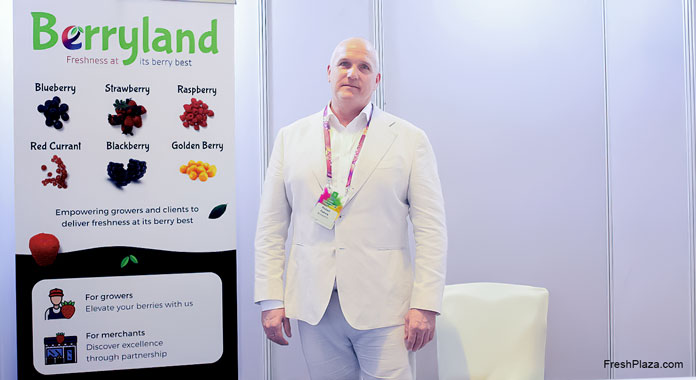
These days mark exactly three years since Rob Pakvis and Theo Benjert founded BerrylandSince then, the team has grown significantly, and the company even achieved a 70% increase last year. Last week, the company participated in Fresh Produce India in Mumbai, and Rob shared his impressions of the experience.
“Our presence in India with a stand is completely pioneering. After all, we don't yet export berries to that market.”“,” Rob comments.We encounter some bureaucracy because many products still lack market access. At the same time, we see the enormous potential of the country, which has nearly 1.400 billion inhabitants. Today, berry consumption remains very low, but if, for example, blueberry consumption were to reach just 100 grams per person, the potential would be immediately enormous..
Rob explains that Berryland maintains significant activity in raspberry cultivation in Tanzania, a relatively close origin to India with short flight times. “For now, India cannot yet import Tanzanian products, but when that possibility opens up, we would like to be among the first to take advantage of it.”"He says.
Currently, exports of berries Flights from Peru to India are permitted, although this involves approximately six weeks of sea transport. Air transport is the other option, but it currently entails considerable costs. “At the moment, red berries are being shipped, but it remains a gray area and we still consider it too risky.”Rob says.
© Berryland

Avocados are all the rage in India
Even so, Rob sees great potential in the Indian market.The impact of the coronavirus particularly affected the younger generation in India. From there, we're really seeing a shift away from unhealthy foods towards healthier eating. Avocados, for example, have become very popular in the Indian market. Consumption levels are still far below those in Europe, but the foundation is already there."He explains.
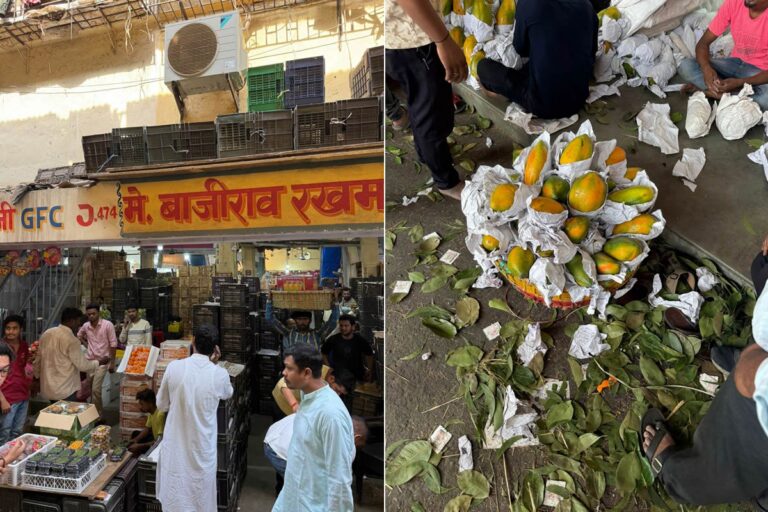
However, he warns that the country's cold chain is still at a very different stage.I visited the wholesale market and there's absolutely no refrigeration. They're spraying apples with a bottle of 43-degree water.He explains. He also notes that the marketing system remains quite traditional: around 70% of sales go through street markets, 30% through so-called fruit shops—a kind of delicatessen where everything is sold—and barely 1% through the retail channel.
"I must say that the supermarkets I visited made an incredible impression on me. But, at the same time, there's still a lot of education needed regarding fresh produce. For example, all the canned goods were refrigerated, but the berries weren't.He says.

A country of contrasts
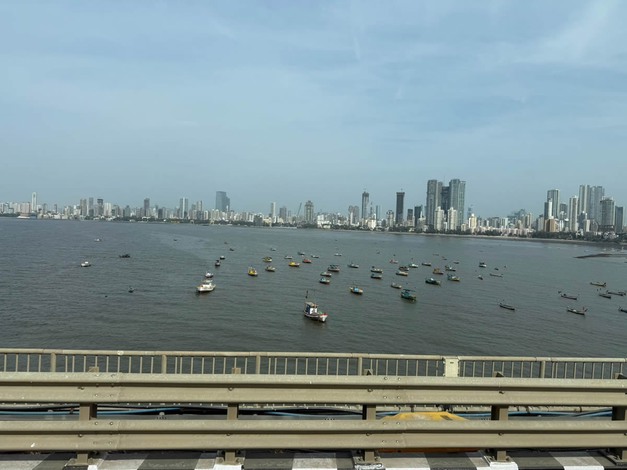
Rob was also struck by the stark social contrasts in the country. “I’ve visited many places around the world, but the poverty in India is truly heartbreaking. You see people literally sitting under plastic sheeting beneath a bridge. And then, almost immediately, you go from slums to luxury apartments. On your way back to the hotel, you see the most expensive Ferraris again. The contrast is incredible.”".
© Berryland
A challenging season for berries
Back in the Netherlands, Rob refocuses on marketing berries. “It has been a very unusual import season, with many challenges. Even so, I must say that we have navigated it quite well.”He says.
According to him, the Moroccan season faced significant difficulties. There were also sharp overnight price increases for raspberries due to severe shortages. “The raspberry market will remain complex for some time. Portugal started too late and is only now entering the market in significant volume. I expect the market to remain challenging for the next few months.”"He says.
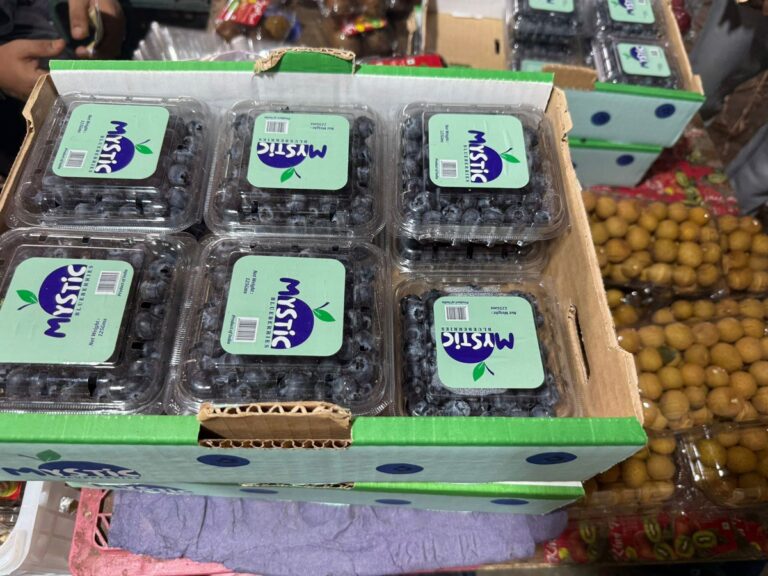
With the blueberries There were also complications in Morocco. “Everyone was looking for good quality fruit and the market absorbed it very quickly. We are now approaching the end of the import season and in August we will receive the first blueberries from Peru.”Rob concludes.
© Berryland
ARTÍCULOS RELACIONADOS