New blueberry varieties seek to meet specific grower requirements
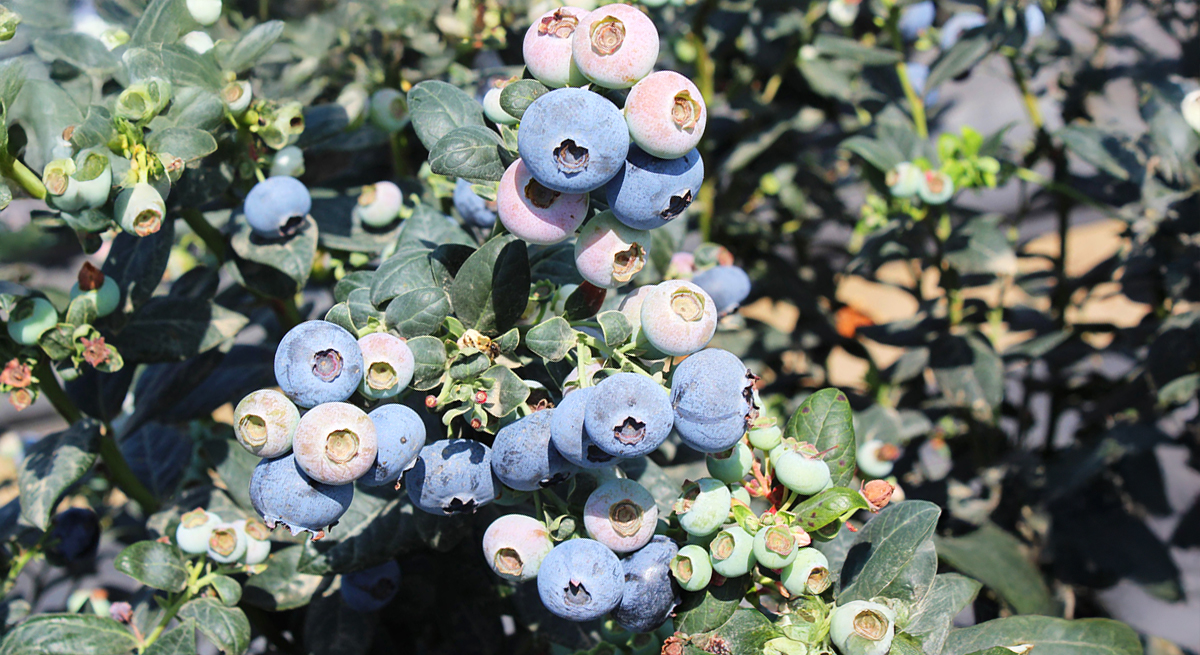
The development of the blueberry industry in Peru and the opening of new markets go hand in hand with the commitment to new varieties, a natural step in the marketing cycle that aims to meet the specific needs of producers.
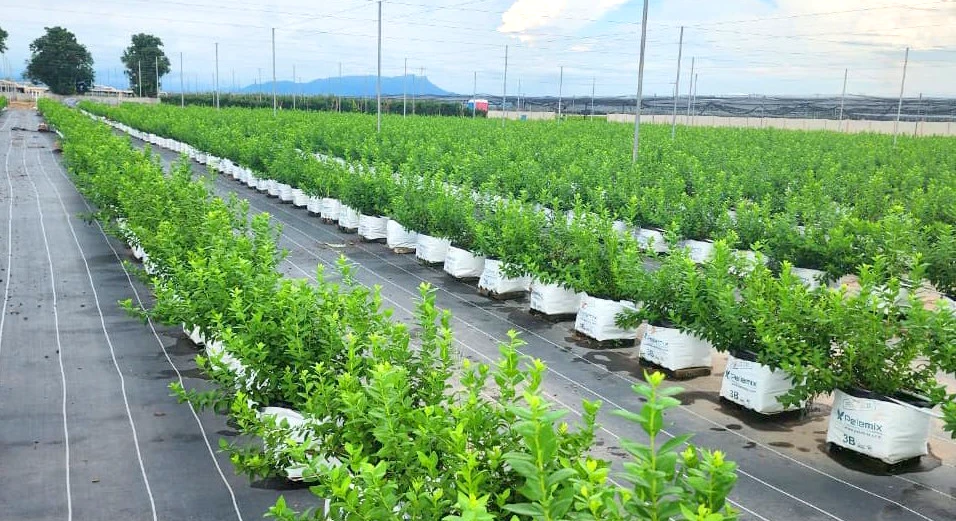
That is why the visit to the company's Compositán farm was carried out on Tuesday, August 12. Danper Located in Virú, La Libertad, where five new varieties of blueberries produced by the company were discovered. University of Florida (UF) and the Florida Foundation Seed Producers (FFSP).
"The idea was to show producers the varieties we have for the start of the campaign. We've been sending more than 50 varieties to Peru since 2018. What we've shown today are varieties that many companies are interested in, and Danper is a good opportunity because they have a lot of our genetics," he explained. José Luis Ubaldo, commercial representative of the University of Florida's blueberry plant genetics program.
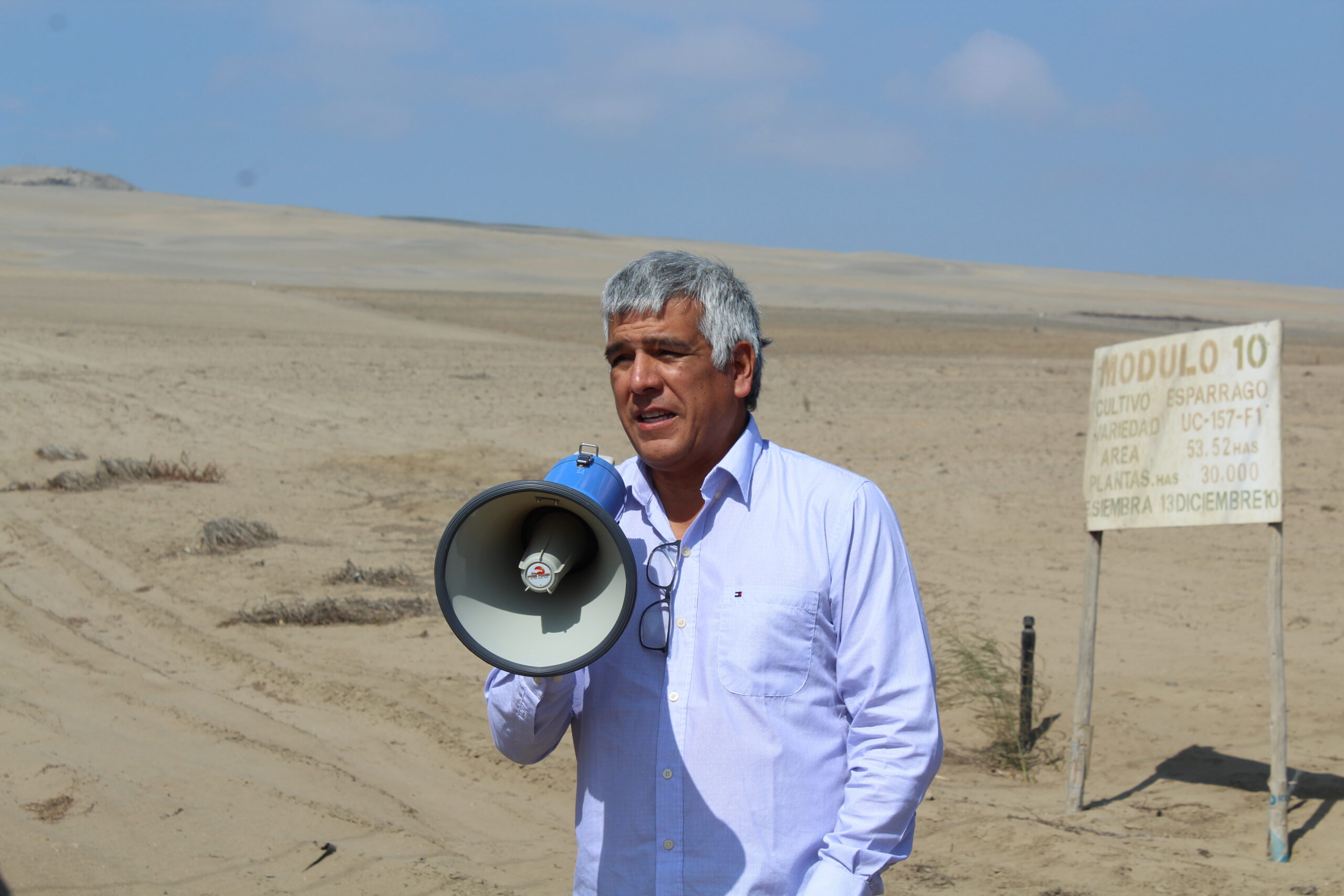
Blueberries Consulting Photography – Mr. José Luis Ubaldo, Sales Representative for the University of Florida Blueberry Plant Genetics Program

Varieties according to the producer's requirements
“The five varieties have distinct characteristics. We are a genetic program that offers a variety program to producers. We strive for business sustainability; we want producers to do well, and we are crystal clear that blueberries are here to stay in Peru. By having different varieties available, producers will be able to launch early, mid-season, or late in the season, and can reach markets where one variety may be more popular than another,” says Ubaldo.
During the field visit, representatives of 35 companies from Peru, Chile and Spain learned about and tasted five varieties developed by the University of Florida, these are Albus, Colossus, Magnus, Keecrisp and FL19-006, each with its own characteristics that can be adapted to the needs and commercial programs of companies, as well as the preferences of different markets.
“We have an Albus variety that comes out very early, 20 or 21 weeks post-pruning. It's quite productive and has good fruit quality. We also have the Colossus, which is quite hardy. It's a variety that can suffer from various difficulties and will continue to produce. We get 5.5 kg or more from it in the third year. It's a variety that premium markets really like because of its jumbo size. We have a Keecrisp variety that's very firm and has a spectacular brix-to-acidity ratio; it's the most popular. In addition, we have the FL19-006, which is spectacular: productive, with a good size, firm, very aromatic, and a flavor that stands out from the rest,” says José Luis Ubaldo.
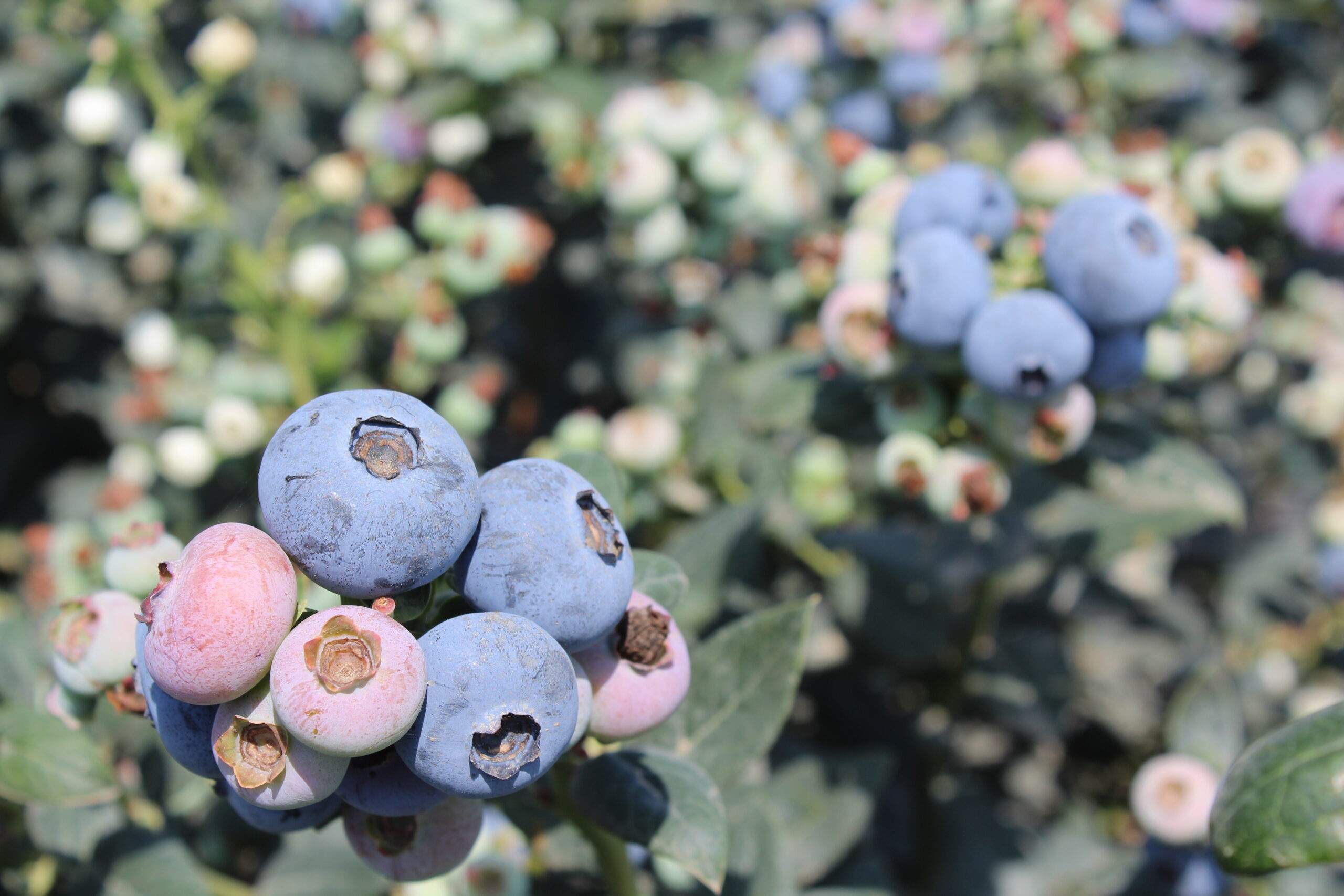
Photography Blueberries Consulting – Colossus Blueberry Variety

Varietal change in the Peruvian industry
One of the factors that has allowed Peru to maintain its leadership in the global blueberry industry is its commitment to genetics. This is why there is now talk of a phase of varietal change in the Peruvian industry.
"It's good that Peru maintains its global leadership, and this will be achieved with new genetics. This speaks highly of the Peruvian producer and his philosophy. Peru is a world leader in the agricultural sector, and it's good that they want to maintain that leadership with varietal renewal and not rest on our laurels but continue working," says Ubaldo.
In this regard, the University of Florida's experience indicates that producers' attention has not focused on a single blueberry variety, but rather has diversified their focus, allowing the market to avoid being saturated with a single variety and providing a broader range of different varietal offerings.
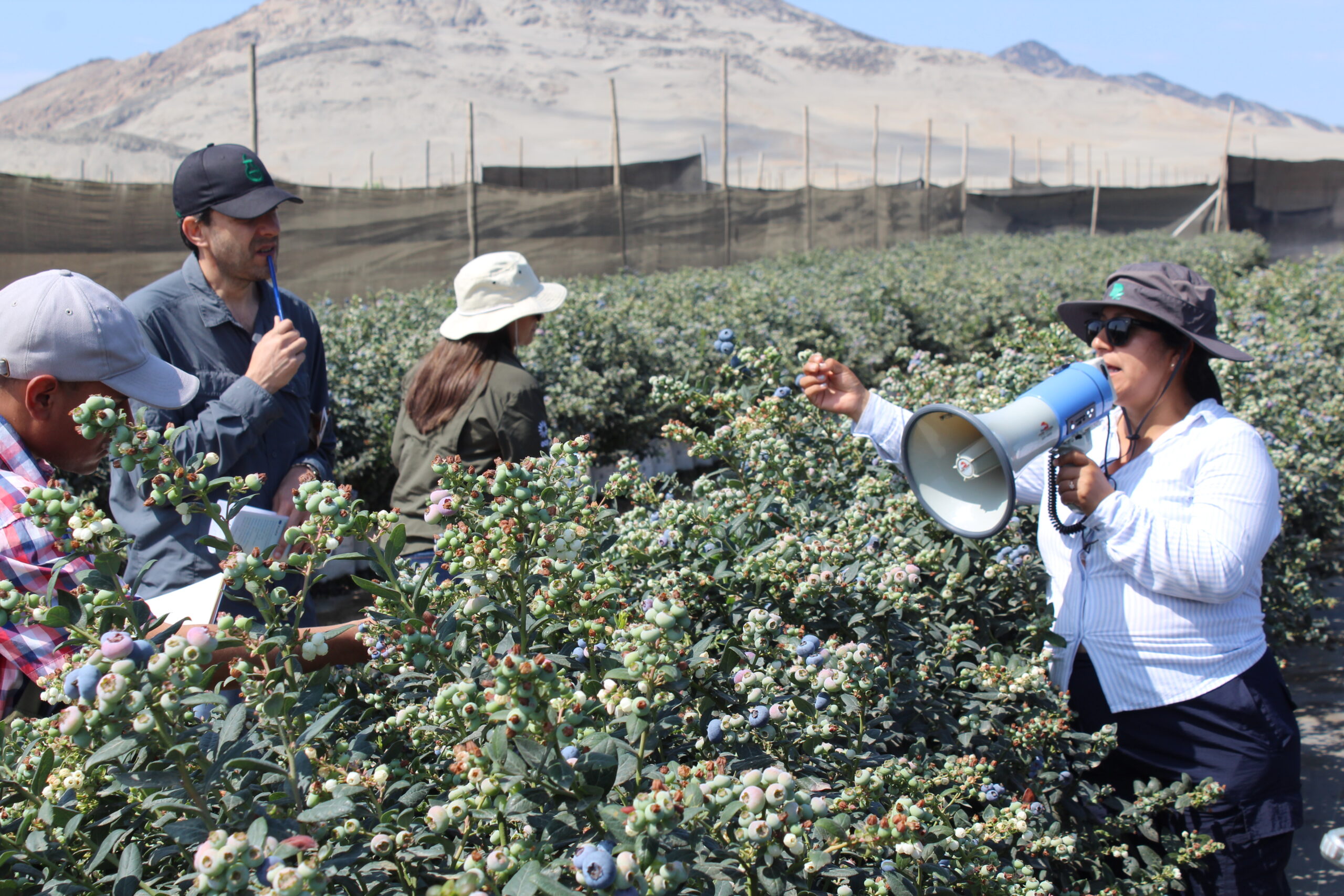
Blueberries Consulting Photography – Visit to Danper’s fields in Virú, La Libertad.

Peru has everything to continue growing
Peru's geographical and climatic conditions allow for optimal blueberry production. "Peru has every opportunity to continue growing. We are a privileged country, fortunate that wherever we plant blueberries, we grow something and grow well. But it's not just luck; it's also the producers' hard work and business acumen."
In this sense, many producers aim to achieve year-round production, something that is achieved by using the appropriate varieties. "We have varieties that, with proper pruning, can be produced in months that are not traditionally productive in Peru. We have this Albus variety, which is extremely adaptable, and we have cases where it was planted between May and June and was already producing 2.5 kg by December. We also have late-season and mid-season varieties. We offer a range of varieties that can be adapted to the economic needs and commercial programs of companies," he mentioned.
Finally, José Luis Ubaldo highlighted the work carried out by Blueberries Consulting and the support they're giving to the blueberry industry. "What they're doing is quite good because it helps position us as a major player in the blueberry industry with its worldwide reach and reach."
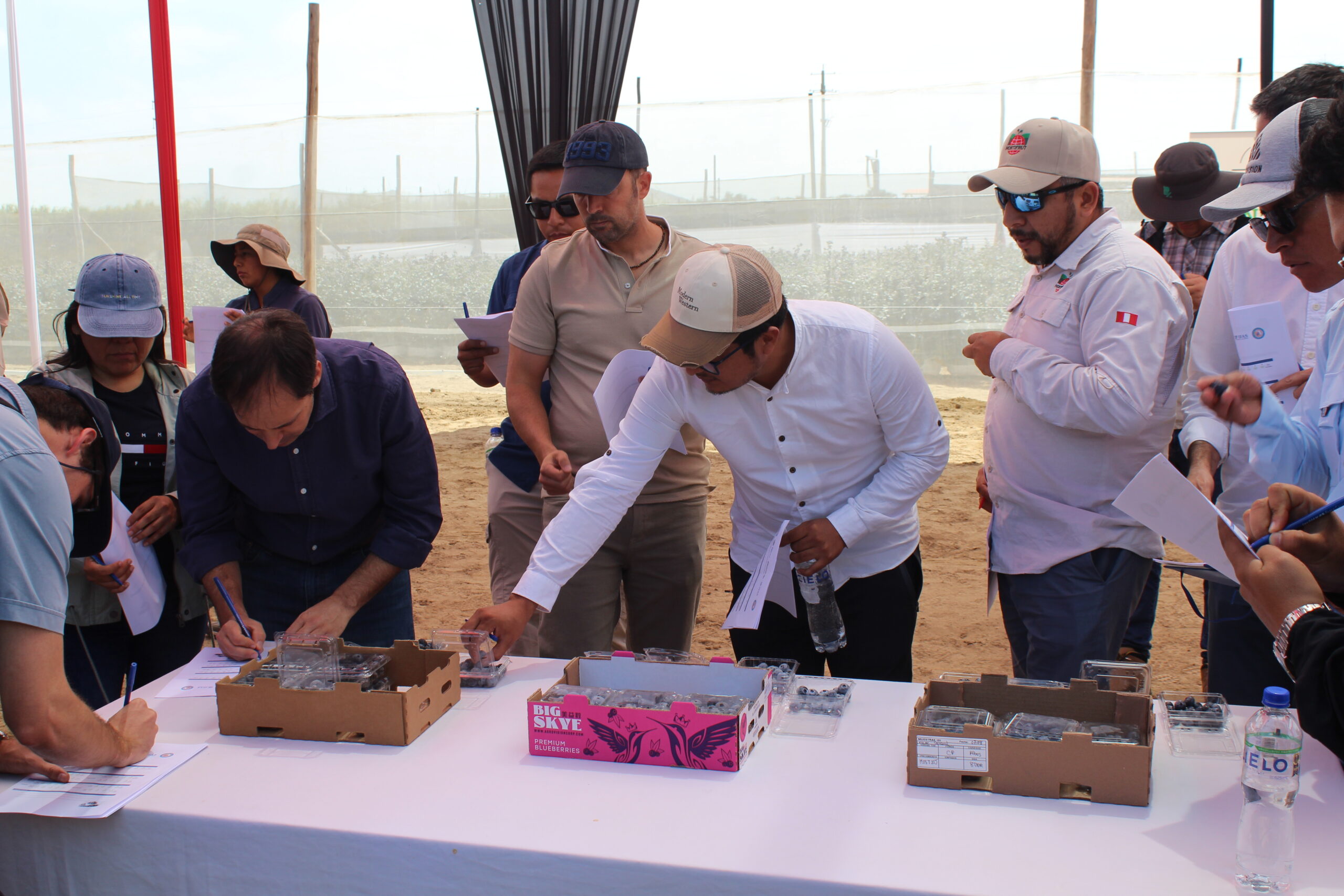
Blueberries Consulting Photography – Blueberry variety tasting.
Previous article
Morocco leads Spain's fresh produce marketARTÍCULOS RELACIONADOS