PACA Trust: the “legal insurance” that strengthens blueberry collection in North America

The international trade of fresh fruit to North America is moving quickly, but also with significant commercial risks: defaults, insolvencies, and bankruptcies of buyers can jeopardize a season's cash flow. In this context, the PACA Trust (fruit and vegetable trust) is consolidated as a high-value legal tool to protect the exporter, including those who operate with blueberries and berries"Explains Matías Araya, managing partner of Araya & Cía. Abogados."

What does the Trust protect and why does it matter to the exporter?
The concept of a trust implies that protected sales are backed by a separate fund, exclusively designated for the payment of obligations arising from those transactions. In practice, assets related to the marketing of fruit and vegetables are not mixed with the buyer's general assets.
The most significant effect is payment priority: in bankruptcy, insolvency, or reorganization scenarios, loans secured by the Trust must be paid before those owed to banks and other creditors. For blueberry exporters, this can mean the difference between recouping the sale and facing a total loss.

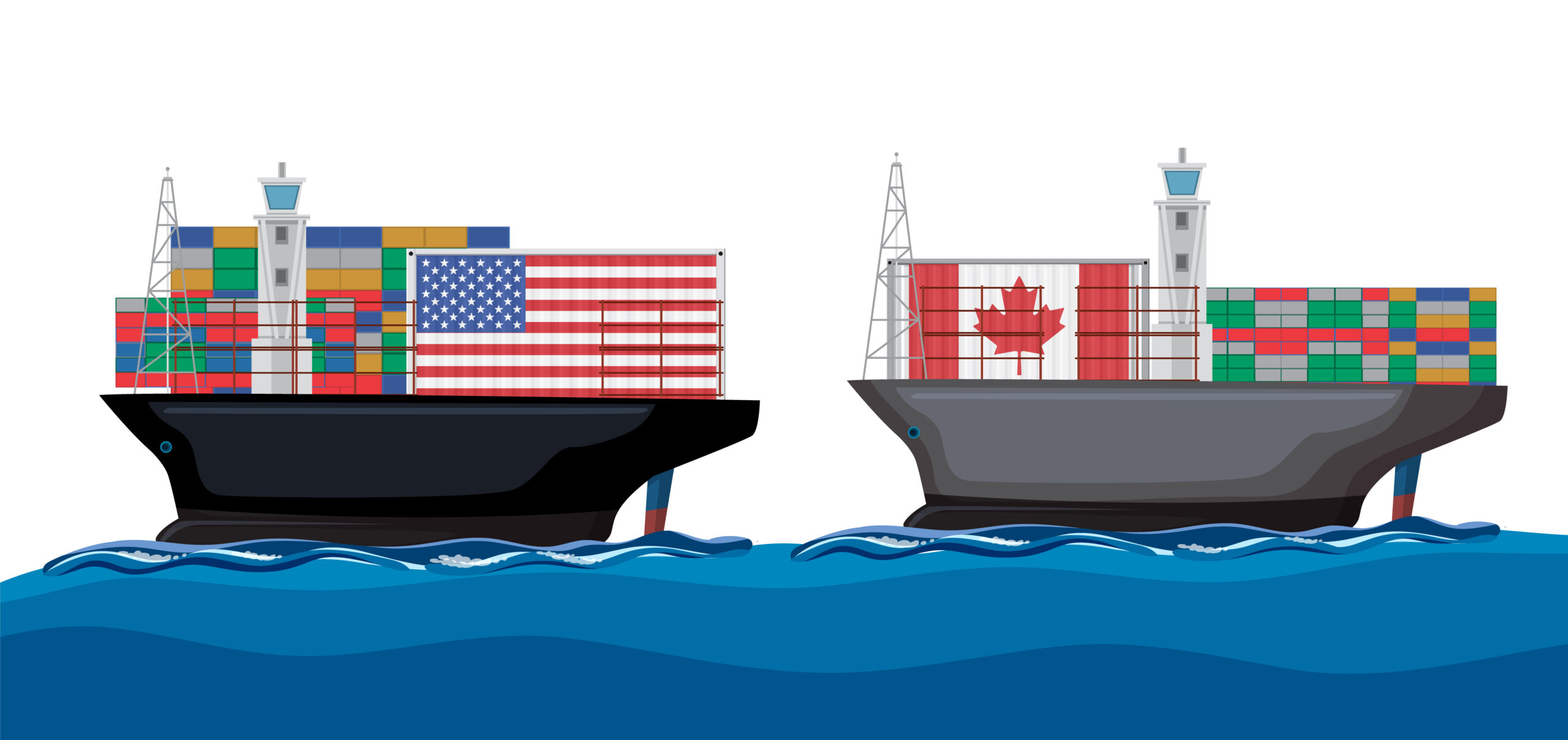
USA vs. Canada: Differences that change the risk
In the United States, the scope of the PACA Trust is particularly broad. When the debtor company's assets are insufficient, liability can extend to the personal assets of owners, directors, managers, and shareholders with effective control, creating automatic joint and several liability.
Canada, on the other hand, recognizes the Trust and its payment preference, but does not provide for joint and several personal liability. Therefore, when structuring transactions in both countries, it is important to consider that protection exists in both markets, but with varying degrees of intensity.
© Araya & Cía. Lawyers
Requirements and documentary “check” to activate protection
For a sale to be protected by the Trust, certain formal requirements must be met. One key requirement is that the maximum credit period cannot exceed 30 days and must be expressly stated on the invoice.
In Canada, it is sufficient to include a specific statement on the invoice, in English and French. In the United States, the procedure depends on the type of business.
Companies with a PACA license: must include the Trust logo on the invoice.
Foreign companies: must send a Trust Notice to the USDA within 30 days of the invoice due date.
ARTÍCULOS RELACIONADOS