"For blueberries, South Korea is consolidating its position as one of the fastest-growing markets."
The current fresh fruit export season in Chile is unfolding in a context of more selective markets, adjustments to sales windows, and a clear focus on new varieties. This is explained by Juan Pablo Mozó, commercial director of Greenvic.
“While China remains our main destination, we have strengthened our presence in other Asian markets. For blueberries, South Korea is consolidating its position as one of the fastest-growing markets. Korea has shown very strong demand and an excellent reception of Chilean fruit, especially valuing the quality, flavor, and condition upon arrival,” explains Mozó.

One of the factors driving this strategy is the use of earlier varieties with better post-harvest characteristics, allowing Chile to compete more effectively in the first weeks of the season. "Furthermore, Korea represents a competitive advantage over other origins, since countries like Peru still lack access to that market. In terms of prices, the season has been volatile, heavily influenced by the concentration of arrivals and the sensitivity of the Asian market, where quality has become the main differentiator," he notes.
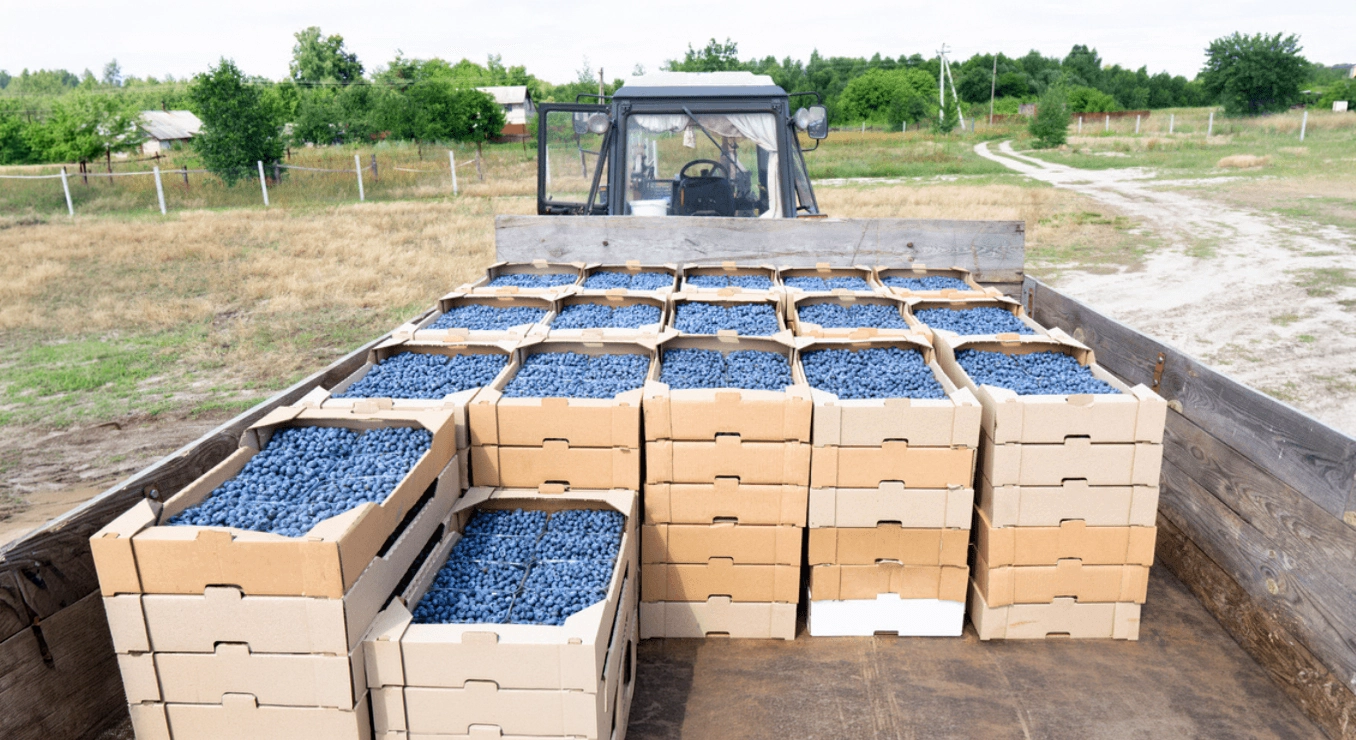
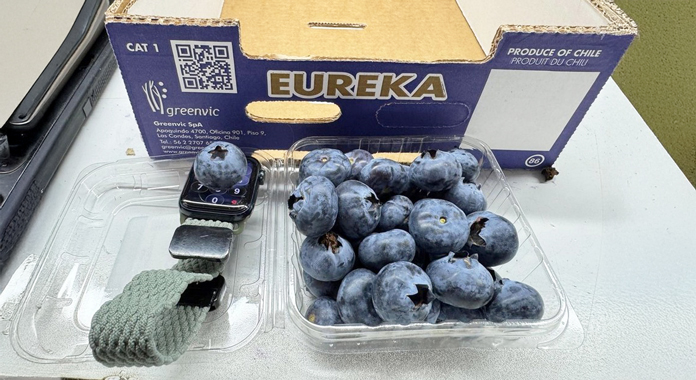
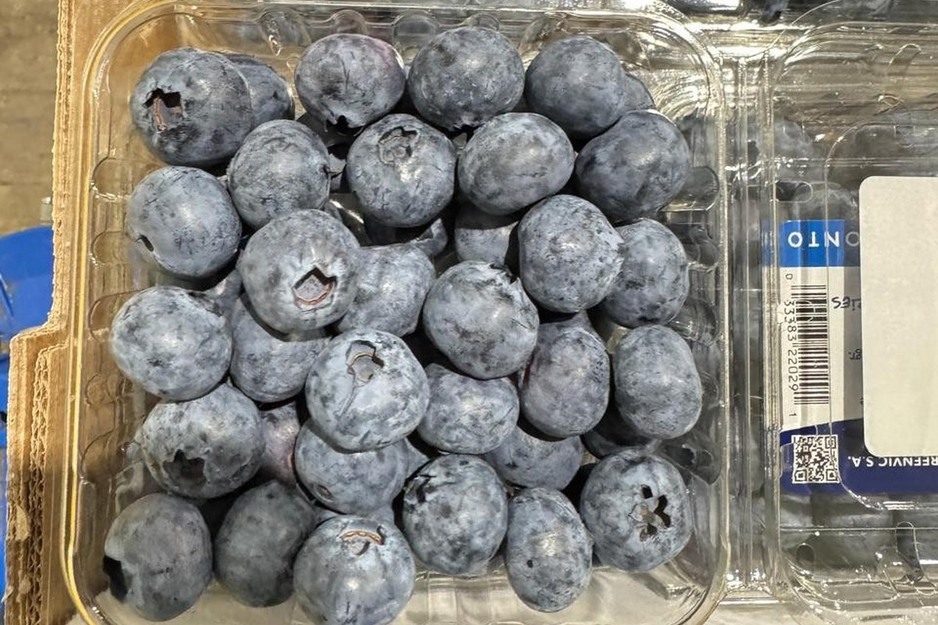
In the case of blueberries, the company's strategy relies heavily on varietal renewal, focusing on new genetics such as Mountain Blue Orchards (MBO) and Sekoya. These varieties allow for an earlier harvest of five to fifteen days compared to a normal year, in addition to offering larger fruit, better firmness, and a more robust post-harvest shelf life for long-distance shipments. "These varieties travel better, with good flavor and more uniform fruit, which is important for today's demanding markets," explains Mozó.
© Greenvic

In table grapes, Greenvic operates production in both Peru and Chile, allowing it to cover a wider market window. In Peru, the season started early, with good fruit condition and positive performance in varieties such as Red Globe, Sweet Globe, and Sweet Celebration. These volumes are primarily destined for the United States, Mexico, Latin America, and Europe.
For Chilean grapes, the harvest season begins in late February and early March, with a clear focus on new varieties such as Autumn Crisp, Sweet Globe, and Sweet Celebration. According to Mozó, Greenvic's estimated export volumes are around 500.000 equivalent cases. However, the outlook is more challenging, especially in the United States, due to strong Peruvian competition, the loss of the Systems Approach, which has a significant impact, particularly on organic grapes, and the application of an additional 10% tariff.
"The United States remains a relevant market, but increasingly restricted for Chile. That's why we are diversifying destinations and strengthening markets like Mexico, Canada, and Europe," the executive explains.
A key element in Greenvic's strategy is its partnership with Agrovision, particularly in the development and marketing of certain blueberry varieties. This collaboration allows for joint planning of volumes and destinations, aiming to maximize returns in specific markets through coordinated management between production and marketing.
"For both blueberries and grapes, the markets are becoming increasingly mature. Today, the determining factors are genetics, quality, and reaching the right market at the right time," Mozó concludes.
ARTÍCULOS RELACIONADOS