Ray Dalio and JPMorgan boost Fruitist with US$150 million
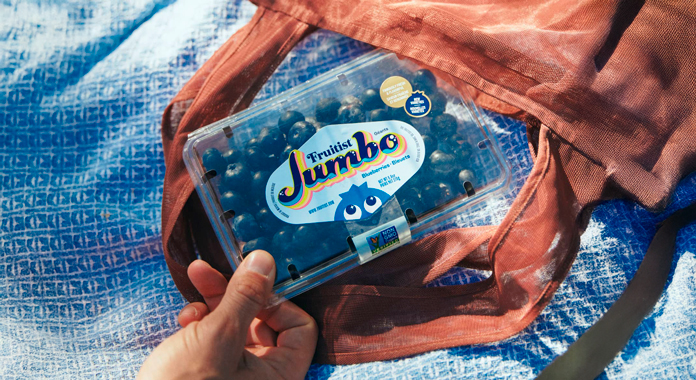
Fruitist, the healthy snack company known for its giant blueberries, raised $150 million in a funding round led by JPMorgan Asset Management, in which Ray Dalio's family office doubled its previous investment. The company is accelerating its expansion in a global snack market estimated at $800.000 billion, where consumers are shifting toward healthier and more premium options.
Fruitist has raised a total of US$443 million and will use the new capital to further its retail presence worldwide. In the United States, it is already present in more than 12.500 stores—including Costco, Giant, Publix, ShopRite, Sprouts, Trader Joe's, Wakefern, Walmart, and Whole Foods—and will expand the distribution of its Fruitist Snack Cups (refrigerated single-serving portions of blueberries), a format showing rapid growth in Europe and coinciding with the launch of Legend Super Jumbo, its new line of larger blueberries.

The company informed CNBC earlier this year that its annual sales exceeded US$400 million and that blueberry sales had recently tripled (no new figures were provided with this funding round). CEO and co-founder Steve Magami He explained that the investment will be used for new plantations, cold storage, and infrastructure—including automation—to maintain quality and distribution in the eight countries where they operate. Aliment Capital and Steve Kaplan (co-founder of Oaktree Capital Management) also participated.
According to JPMorgan Asset Management, Fruitist combines value chain control, organic growth potential, and a positioning that premiumizes the "better-for-you" category. Meanwhile, analysts at the consulting firm Circana highlight that healthy snacks are the growth engine within a relatively flat snack market, and emphasize the contribution of berries due to their antioxidant profile and association with health and convenience.
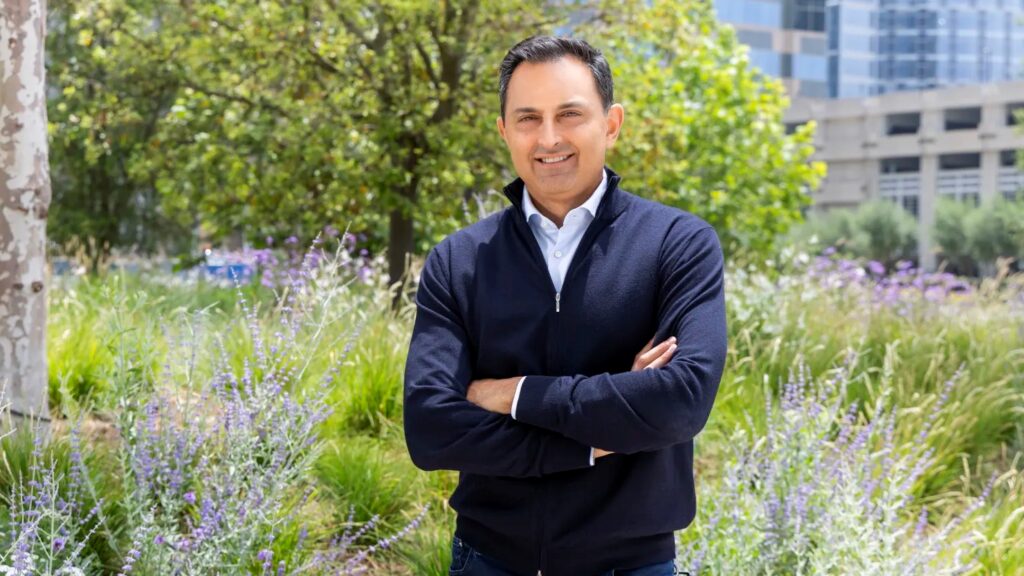
Steve Magami, founder and CEO of Fruitist
© Fruitist

Magami argues that the opportunity lies not in competing with traditional players like Driscoll's, but in consolidating the "ready-to-eat" blueberry snack segment through branding, packaging, and strategic placement at impulse-buy points. Snack Cups' distribution in Spain has grown from approximately 30 stores to 750 between April and today, with a goal of 1.000 and a broader rollout in the US. "Over time, standard blueberries will be used more for smoothies and baking; these are snack berries that can even replace a meal," he states.

Although Fruitist doesn't comment on a timeline for an IPO, it is closely watching Once Upon a Farm's (Jennifer Garner) IPO. According to Renaissance Capital, in cases like this, growth is as important as, or even more important than, the "healthy" attribute; the challenge is to demonstrate that this isn't just a passing surge and to sustain market share with a premium product in a challenging environment.
Circana acknowledges that price remains the most visible barrier to mass adoption. Magami estimates an average ticket price of around US$6 per clamshell, and emphasizes that the goal is to build a lasting brand rather than pursue luxury prices: “We have ample room to grow well above the industry average.”
ARTÍCULOS RELACIONADOS