Florida blueberry growers cautiously optimistic

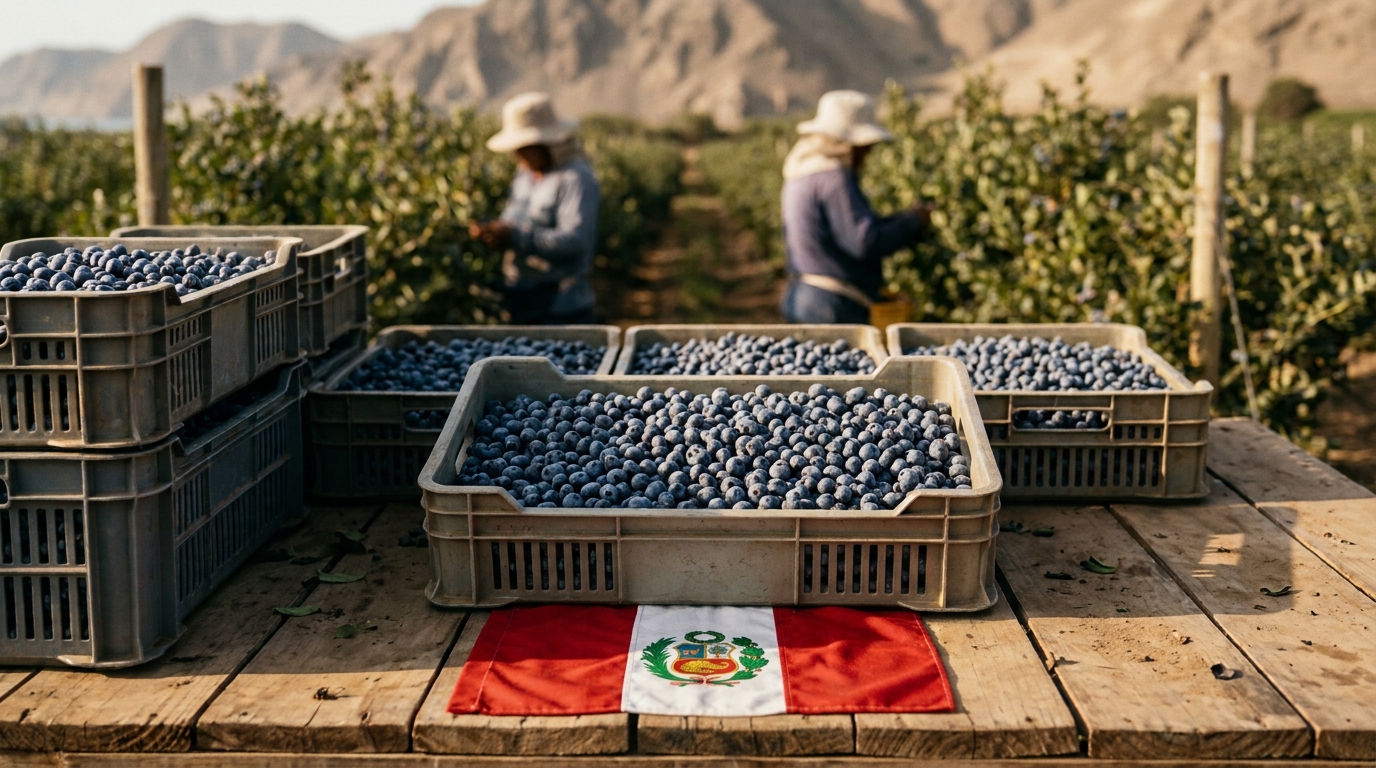
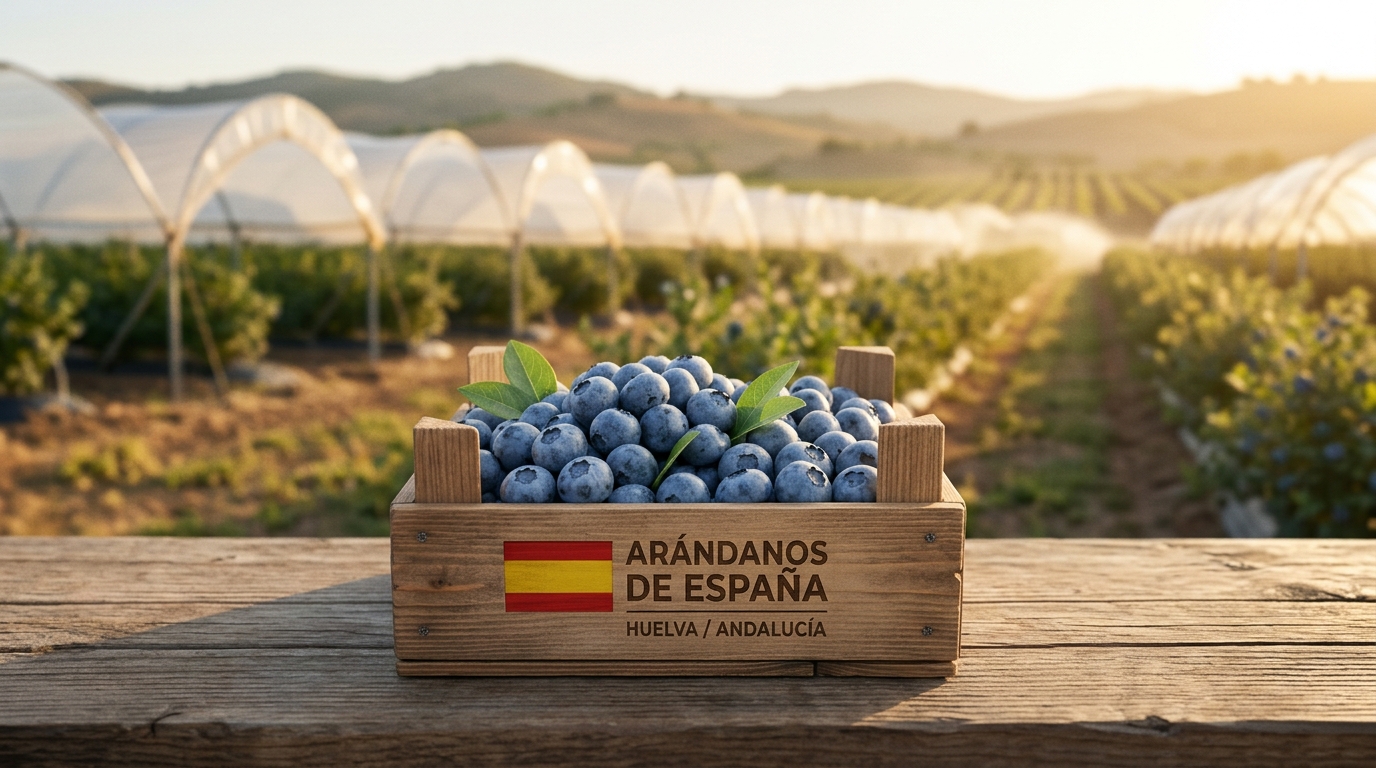
Rising blueberry imports may have snatched some of Florida growers 'market share, but it hasn't taken away growers' optimistic outlook. That's evident with some of the larger growers establishing new plantations, says Doug Phillips, Blueberry Extension Coordinator at the University of Florida / IFAS.
“I would say that from a market perspective, imports to the US continue to be a challenge. Having said that, I think a lot of the producers in the state are still cautiously optimistic,” Phillips said. “I talk to most growers across the state and people are planting new acres. People are pulling out 10, 12, 15 year old plants and planting new ones. Although from a market perspective there are some challenges with imports, I would say that people remain at least cautiously optimistic."

Import Statistics

UF / IFAS Photo: Shows Doug Phillips.
Florida's market share in blueberries was 2.7% compared to Mexico's 18% in 2020, according to a recent report from the Florida Department of Agriculture and Consumer Services. Florida blueberry sales decreased 16,1% from 2012 to 2020. Florida produced 22 million pounds in 2020, compared to Mexican imports that generated 112 million pounds.
Phillips said the increase in imports caused the closure of smaller farms (those with less than 20 acres). They couldn't compete. But the largest agricultural operations continue to advance. Technological advancements are a big reason.

“I think part of the cautious optimism of larger producers is that they tend toward mechanical harvesting. They have to do with market conditions. One of the biggest cost differentiators between US producers and producers outside the United States is the cost of labor. A lot of that is harvest work,” Phillips said. “I think seeing the advances in machine selection technology, seeing that there are some good varieties that will harvest well by machine, I think that has helped give some optimism. I think last season prices seemed to hold steady a little longer than they did, maybe in recent years. That may indicate some optimism.”

According to Florida farmer Ryan Atwood, last year's prices were stable for most of the season. It was his best year in a long time.
ARTÍCULOS RELACIONADOS