South African blueberry exports grow 53%

According to the South African Association of Berry Producers, exports increased by 53 percent compared to the previous season, a figure that marks a record in exported volumes of this fruit.
Justin Mudge, president of the association, said in a statement that the season reflected another industry export record and continued the remarkable period of growth in this sector. "South Africa exported 12.282 tonnes of blueberries, representing an increase of 53,5 percent compared to the previous season," he said.
However, he explained that raspberry exporters were experiencing extreme difficulties with exports as a result of limited air transport. "The resulting delays diminish the quality of the product reaching its destinations, compromising South Africa's stellar international reputation," added Mudge.

Raspberries represent only a small part of total berry exports and therefore the future of the business in South Africa will continue to be determined by what is happening to blueberries.
Mudge said that about 70 percent of South Africa's blueberries are destined for export markets. "Since 2013, this has led to growth in export earnings from R133m to more than R1bn."
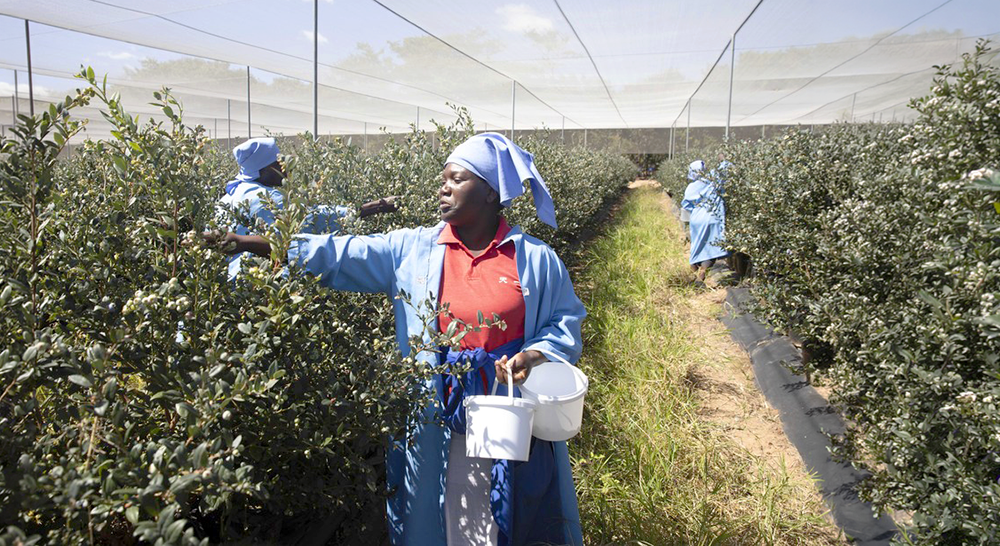
This growth, he added, has led to an equally significant increase in job opportunities. "Employment in the industry quadrupled from around 1.000 jobs in 2014 to more than 5.700 in 2018. Since then, this number has increased to more than 8.000 jobs in the last two years."
Covid-19
"This increase in exports is rare good news amid the national blockade stemming from Covid-19, which is expected to have a high cost on economic growth and employment," Mudge continued.
However, he argued, it is clear that most of the South African blueberries would have been exported long before the real problems of the coronavirus reached South Africa. The country is now in the second week of a national shutdown with the air cargo business seriously affected.
International air travel has been reduced, mainly to the evacuation of foreign nationals and the repatriation of South African nationals.
Mudge argued that the agricultural sector remained relatively resilient during the pandemic as international trade continued with few limitations on the transportation of goods, especially food.
"Furthermore, global demand for blueberries remains strong due to the fruit's well-known nutritional and immune-boosting properties, an increasing priority for the health of conscious consumers around the world."
He also indicated that the South African berry industry, however, would have to improve its export figures in the coming year. "To create more jobs in the post-Covid-19 environment, certain conditions must be met."
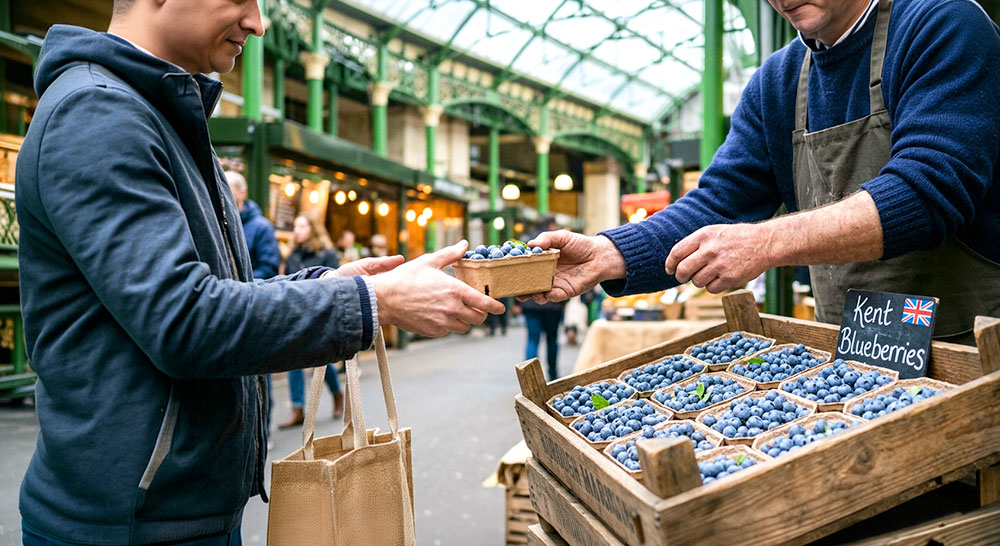
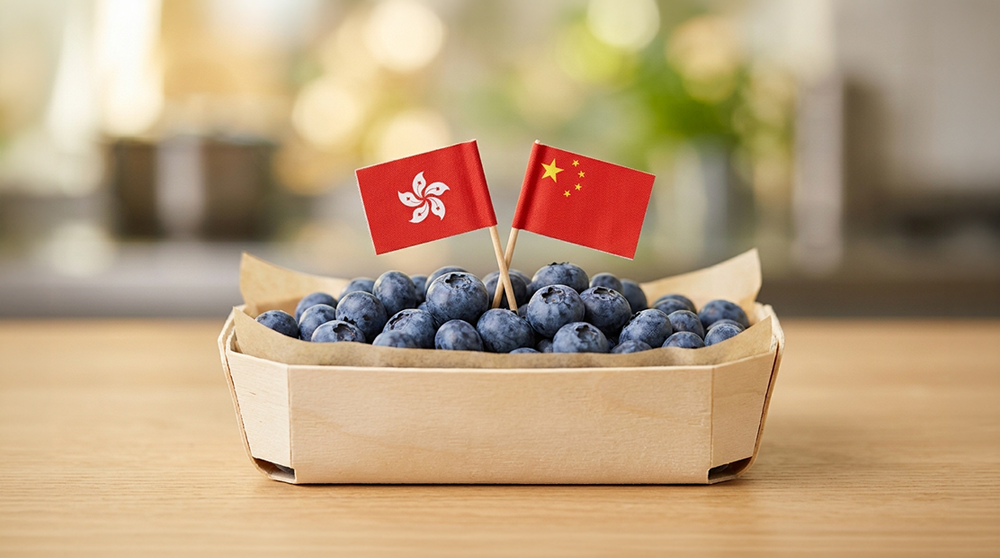
Expanding market access is a priority, Mudge said. "The UK imported about 46 percent of blueberries from South Africa this year, and the rest of Europe represents another 46 percent. Less than 5 percent of the fruit went to Far East markets. "
Expanding access to eastern markets could create 12.000 additional jobs in South Africa, more or less doubling projected employment in industry by 2023.
"Second, we need to increase air transport outside the country, particularly for products with a short shelf life," Mudge said, adding that "the peak season for blueberry exports, which accounts for almost 90 percent of all exports. of berries, it will be during October to November ”.
"Failure to resolve these market access and air cargo issues will have a negative impact on the berry industry," he closed.
Previous article
Productive potential of urban agriculture and health risksARTÍCULOS RELACIONADOS