Iván Marambio, president of Frutas de Chile: “Without healthy fruit there is no fruit industry”
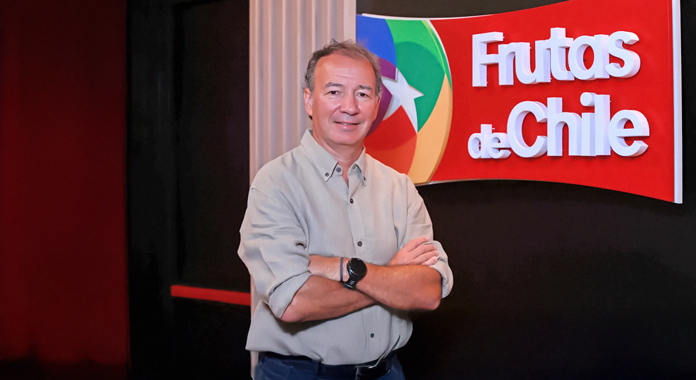
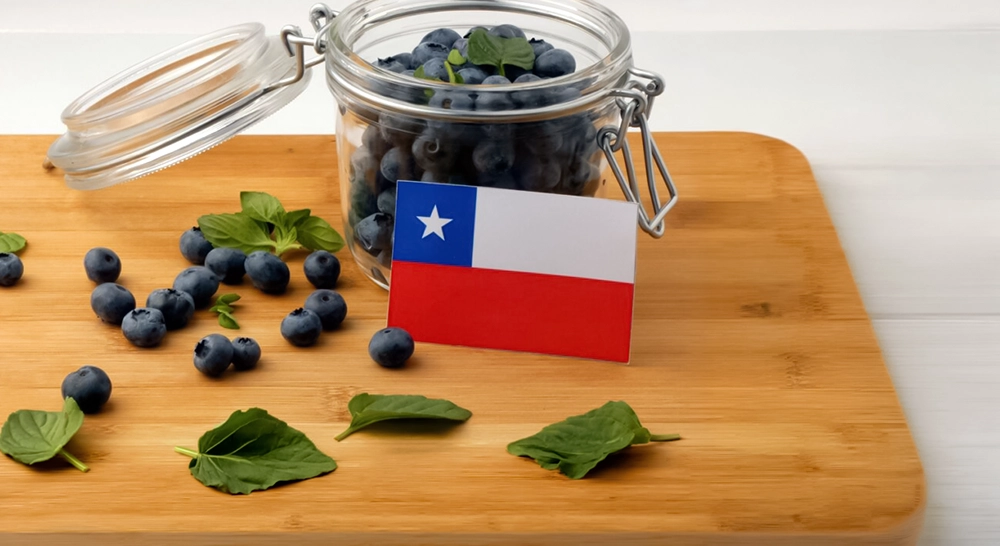
The Chilean fruit industry is going through a decisive period. With more than three million tons Exports in the last season—a 17% increase compared to the previous year—reaffirm the sector's economic and social importance. But it also faces structural challenges that require a rethinking of its competitiveness. In this scenario, Iván Marambio, president of Frutas de Chile, highlights the urgency of strengthening the foundation of the business: plant health.
“Without healthy fruit, there is no fruit industry. Plant health is the pillar that sustains our export capacity.”He points out that the association works in coordination with the SAG (Agricultural and Livestock Service), the Ministry of Agriculture, and international organizations to ensure standards that allow them to maintain access to the most demanding markets.

International diversification and consolidation
Chile Fruits It maintains an active role in bilateral negotiations, particularly in India, China and Southeast Asiawhere it operates in conjunction with specialized business committees. This strategy has allowed shipments to non-traditional markets to grow at rates close to 17% annually. “Diversification is in our DNA”Marambio states.
In terms of promotion, the sector allocated $16 million in global marketing campaigns during the last season. However, the leader warns that this effort cannot fall exclusively on the private sector: “Greater state support is needed to strengthen the country's image.”.
It also makes a direct appeal to companies operating outside of the Chilean Fruit Committees: “We must make a collective commitment. All companies involved in the business must join in and contribute.”
The recently launched Frutas de Chile brand has been well received. Marambio highlights its ability to unify the sector and position Chile as a reliable supplier of high-quality fruit.It is a brand that speaks for itself, and that symbolizes the public-private unity that we seek to consolidate.”.

Challenges: climate, logistics and health framework
The last season once again highlighted the fragility of the logistics system. 90% of exports leave by seaThis means that any congestion, delay, or failure in the supply chain has a direct impact on the condition of the fruit. The case of the ship Saltoro, which resulted in losses of millions, remains a reminder of that vulnerability.
This is compounded by the pressure on the SAG (Agricultural and Livestock Service). While Marambio acknowledges its key role in fruit development, he warns that the institution requires more resources and capacity to respond to the growing demand for inspections and certifications. He also emphasizes the need to strengthen the country's sanitary safeguards against the illegal entry of products.
Climate change adds another layer of complexity. Extreme weather events during peak harvest times, shorter growing seasons, and increasingly uncertain water availability threaten productivity. To address this scenario, the leader considers it essential to accelerate solutions such as multipurpose desalination plants, water infrastructure, and the development of renewable energy, especially solar power.

Vision 2026: Grow with quality
Looking ahead to the 2025–2026 season, Frutas de Chile projects similar or slightly higher growth than the previous cycle, with a strategic emphasis on improving flavor, condition and safety. “The consumer should have a positive experience every time they buy Chilean fruit”Marambio emphasizes.
Today, Frutas de Chile represents more of 270 companiesequivalent to 92% of the total value of fresh fruit exports. Its impact extends far beyond the commercial sphere: for every hectare planted, the industry generates USD 80 annually and 1,6 direct jobs, boosting regional economies and strengthening the country's productive decentralization.
“We are a labor-intensive industry and key to territorial development. If we want to continue growing, we must do so with unity, quality, and a long-term vision.”Marambio concludes.
This article is a summary of an extensive interview that will be published in the next edition of Blue Magazine.
ARTÍCULOS RELACIONADOS