Peruvian blueberries break export records, but face a worrying climate in 2026
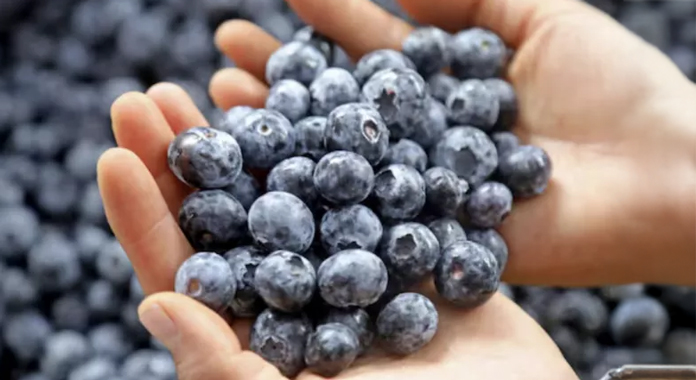
Los shipments of blueberries Exports from Peru to other countries would have exceeded all expectations by 2025 and consolidated Peru by far as the world's leading producer of that blue fruit, despite a slight contraction in its price.
Peru's Ministry of Agrarian Development and Irrigation (Midagri) had estimated that, by the end of last year, exports of blueberries They would reach 360,000 tons. Meanwhile, specialists estimated that this amount could translate into a total value of US$2.000 billion.
However, based on preliminary estimates using figures from the National Superintendency of Customs and Tax Administration (Sunat) – updated as of January 9 – Fresh Fruit and Preciso Consultoría calculate that, by the end of 2025, exports of blueberries They would have totaled 412,239 tons for US$2.563 billion. If these figures are confirmed, they would represent an increase of 17% in volume and 13% in value.

Factors against
In addition to achieving record growth, Peru would now be leading with 41% of all shipments of blueberry globally, this occurred despite two external factors working against it: the contraction in the price of blue fruit and the United States tariffs.
Throughout 2025, the blueberry price On average in international markets it fell by 3%, settling at US$6,22 per kilogram, versus US$6,43 per kilogram the previous year.
In addition, the Donald Trump administration applied a reciprocal 10% tariff to various products imported by that country starting in April 2025.
gabriel amaro, President of the Association of Agricultural Guilds of Peru (AGAP)He told Gestión that, although the US later lifted tariffs on several of these agricultural export products, it still maintains them for some that Peru sells to it, including the blueberries, asparagus and mandarins.

Shipments to China
Despite the tariff imposed by the United States, it was precisely from last April onwards that the campaign of Peruvian blueberry It picked up speed, doubling the weight shipped up to the period between that month and July, although it is in the second half of the year that the largest volumes were shipped, according to Fresh Fruit's analysis.
Furthermore, throughout 2025 shipments of that product reached 66 destinations, compared to 52 in 2024, and although the United States remains our main destination, shipments to China skyrocketed by 153%, going from US$105 million to US$266 million, partly as a result of the direct route and lower logistics costs now offered by the port of Chancay.
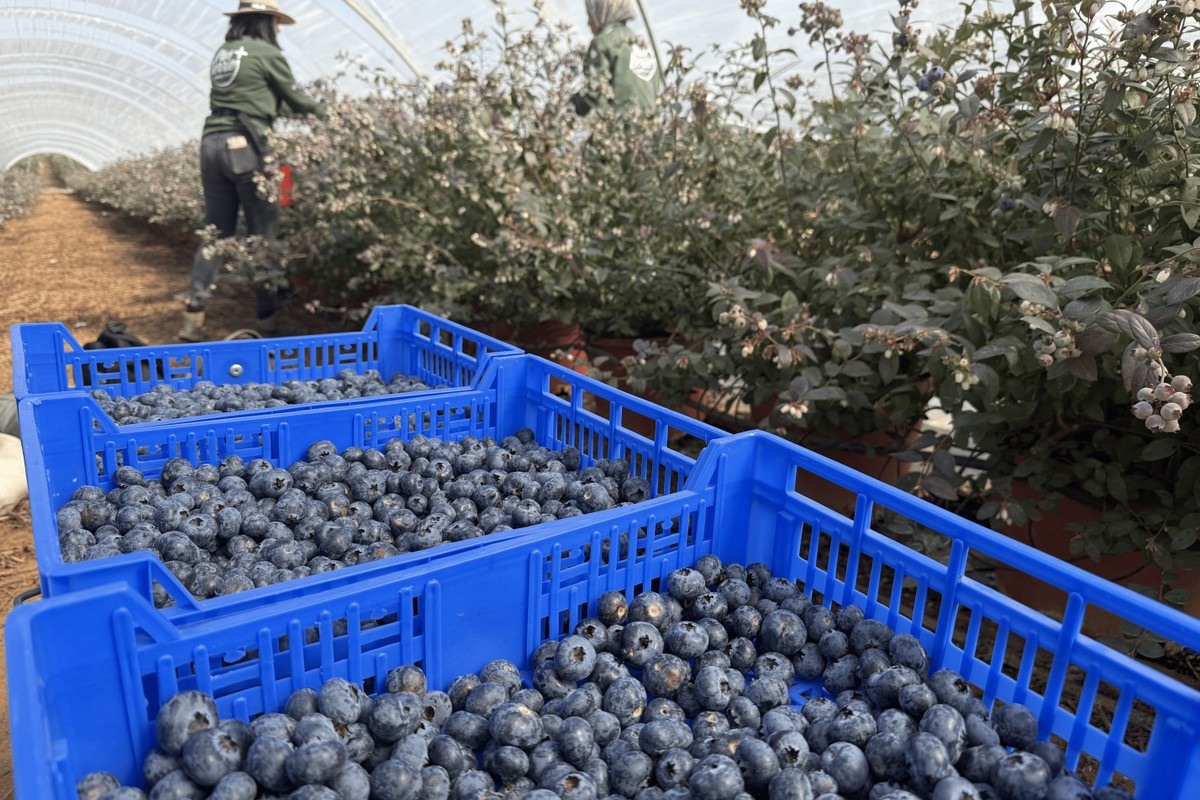
Meanwhile, at the local level, the agricultural area dedicated to its cultivation grew by more than 12%, increasing from approximately 26.600 hectares in 2024 to nearly 30.000 in 2025. Similarly, the number of companies dedicated to exporting it also increased. blueberry, going from 170 in 2024 to 207 in 2025, an increase of 21%.
Alerts
Despite what was mentioned, not everything could be "happiness." For the period January-March 2026, the National Meteorology and Hydrology Service (Senamhi), warns of medium to high risk conditions for crops blueberryThat is, by the end of its main growing season. It's worth remembering that the agricultural campaign for this product, which usually begins between April and May each year, concludes in April of the following year.
On the north coast, where the blueberry planting (particularly in Lambayeque and La Libertad), Senamhi warns that the current medium risk level could rise to high in those areas where the crop is in the maturation phase.
This, he explains, is because high temperatures could cause dehydration of the blueberriesThis effect could be mitigated through precise irrigation management to maintain water balance.
On the other hand, it states that there is a moderate risk of fungal diseases, especially due to the typical rains of this quarter, which, although expected to be within their usual values, reach their highest levels during this period.
The combination of rainfall and warm temperatures can generate high humidity conditions, especially in dense plantations and areas with poor ventilation, favoring the proliferation of pathogens such as gray mold (Botrytis cinerea), among others.
ARTÍCULOS RELACIONADOS