Floral induction in blueberries: the physiological basis that will guide the start of the technical block in Lima 2026
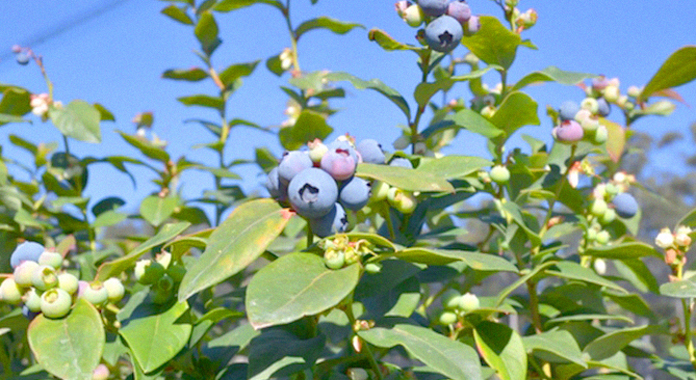
On Wednesday, March 11, the International Blueberries Seminar Lima 2026 It will open its technical segment with an essential conversation: how flowering is triggered in the blueberry and what processes define, in advance, the production potential. The session of Thomas Fichet (14:30–15:20) will focus on the mechanisms of floral induction and differentiation, an axis that directly affects the quantity and quality of reproductive structures that the plant will develop.
In practical terms, understanding these mechanisms will allow for a more informed approach to the season. The talk will focus on what happens in the field when buds and flowers appear, as well as the decisions and conditions that help explain how a plot of land expresses its full potential. This approach will provide context for subsequent sessions of the technical program, where nutrition, health, and quality will be reviewed from a shared physiological perspective.
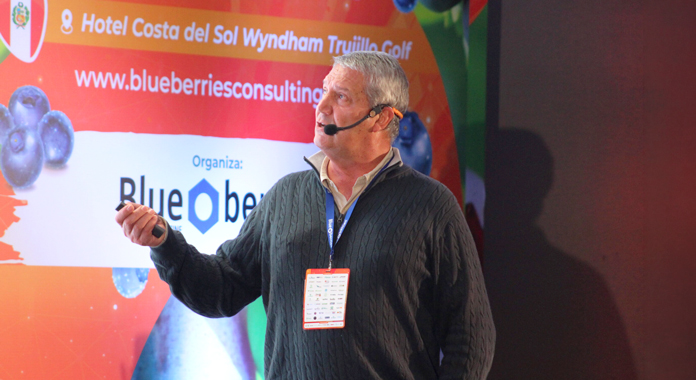
Thomas Fichet © Blueberries Consulting

Flowering is defined before it is visible
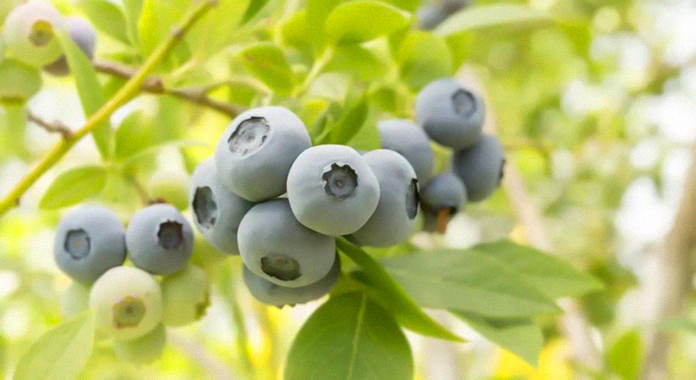
En blueberriesFlowering is built through a sequence of physiological changes that occur beforehand. This session will review how floral induction operates and how it differs from differentiation, two stages that are often discussed together but respond to different signals and timings.
This approach will allow us to understand yield as a result of processes that begin before the flowering and fruit set period. The idea is to establish a common technical language to interpret the "origin" of productive potential and its translation into reproductive structures.
Physiological processes that explain consistency and variability
The talk will address how physiology helps interpret variability between seasons, blocks, and fields, especially when the goal is to achieve consistency. By understanding the transition to flowering, it will be possible to more accurately interpret how certain management practices or crop conditions are reflected in performance differences.
The session will provide criteria for evaluating the state of the crop of blueberry and its physiological trajectory, strengthening decision-making in a scenario where the industry aims for greater efficiency and stable results.

A technical framework to connect Wednesday's program
By beginning the technical module with floral induction and differentiation, the program will establish a physiological foundation that connects to the following topics: variety-directed nutrition, analytical tools, and a quality approach. This sequence will ensure that the technical discussions progress smoothly and are structured around cultivation processes.
The goal will be for attendees to integrate the day's information with a productive logic: from the mechanisms that support potential, to the decisions that allow it to be expressed in performance and condition.
When and where: information about the talk and the event
The talk, “Mechanisms of floral induction and differentiation in blueberries de Thomas Fichet It will take place on Wednesday, March 11, between 14:30 p.m. and 15:20 p.m. at the Lima Convention Center (LCC), as part of the XXXIX International Blueberries Seminar Lima 2026, scheduled for March 11 and 12, 2026.
Tickets: https://agriculturalseminars.com/producto/trigesimo-noveno-seminario-internacional-peru-2026/
Stands and sponsorships: contact@blueberriesconsulting.com WhatsApp: + 56 9 3469 3871
Complete information about the seminar in Lima: Key players in the blueberry industry will meet at the XXXIX International Blueberries Seminar Lima 2026
To see the 2026 seminar schedule: International Blueberry Seminars 2026: Blueberries travel through Peru, Chile, Mexico, Morocco and China
Do you want to delve deeper into physiology and genetics? Download the study available on our platform: Floral Induction in Alto del Sur Cranberry (Vaccinium corymbosum), Var. O'neal
Previous article
Metabolomic Profile of Vaccinium corymbosum Leaves: Exploiting Diversity Among Ten Different Cultivarsnext article
ARTÍCULOS RELACIONADOS