China: Qingdao Port accelerates berthings and opens a key signal for blueberry logistics to Asia
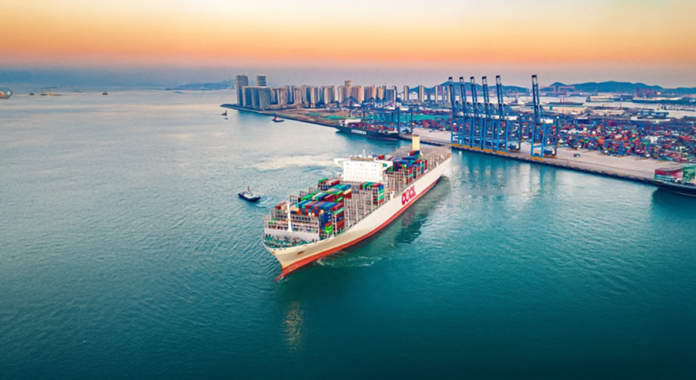
The port of Qingdao officially launched China's first automatic vacuum mooring system, an innovation that allows large vessels to be secured in under 30 seconds and eliminates riskier manual processes. The trial was conducted on January 1, 2026, with the container ship MSC Saudi Arabia (366 meters long), which was identified and secured to the dock using suction cup-type units.

Technology that cuts down critical minutes
The system features 13 mooring units installed along the dock and can generate a suction force of up to 2.600 kilonewtons, enough to operate with the world's largest container ships. It integrates control at three levels (remote, mobile terminals, and local operation) and uses sensors and algorithms to monitor vessel movement and conditions such as wind, waves, and currents in real time.

What does this mean for blueberries and berries?
In export of blueberriesEvery minute in port translates into risk management: cold chain stability, reduced exposure to operational delays, and greater predictability in commercial windows. By cutting berthing time from 20–30 minutes to less than 30 seconds, automated docking aims for a smoother operation with fewer “blind spots” at the beginning and end of the port call, especially valuable during peak logistical seasons.

Efficiency and capacity: more useful dock hours
Qingdao estimates that the system could save more than 200 berthing hours per year per dock, equivalent to enabling capacity for more than 10 additional vessels annually at a single berth. In practice, improvements of this kind can impact the regularity of turnarounds and the productivity of automated terminals, variables that ultimately influence the logistics planning for fresh fruit, including blueberriestowards Asia.
ARTÍCULOS RELACIONADOS