China: Sichuan begins early blueberry harvest in Liangshan
By: Natalia Rubio Iversen
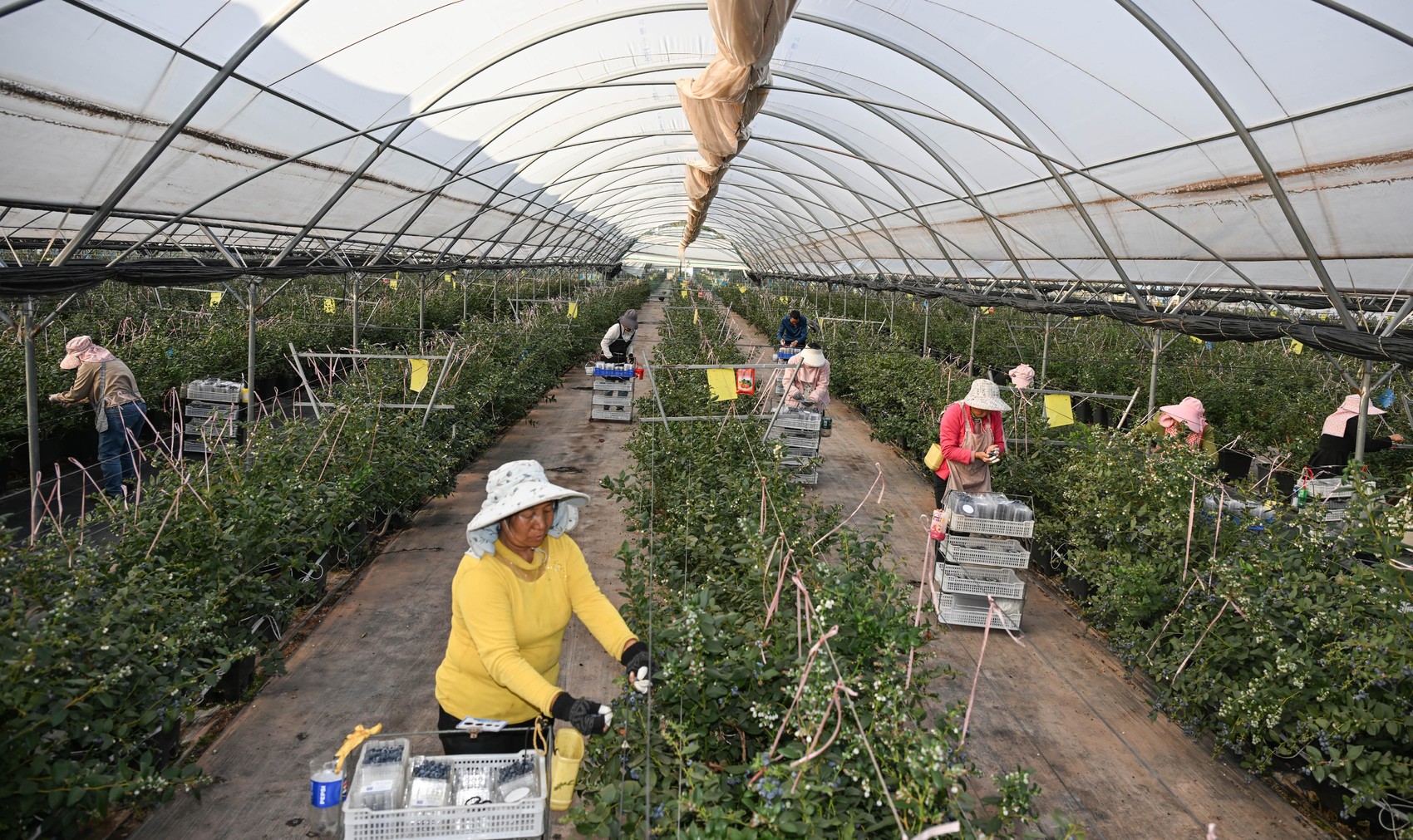
The harvest of blueberries Fruit sales are already underway in various locations in Liangshan Yi Autonomous Prefecture, Sichuan Province, China. Xichang, Huidong, and Ganluo began selling fruit in November, destined for both the Chinese and international markets, according to Xinhua news agency.
The production calendar explains much of this early harvest. Sichuan has three large production zones with distinct agroecological conditions: the Panzhihua corridor and the Anning River valley concentrate some of the earliest supply; the Chengdu basin provides intermediate production; and the western mountainous areas allow harvests to extend into later periods.
Taken together, the province's various harvest windows extend from November to October of the following year.
Within Liangshan, the Xichang harvest window can begin in late October and extend until April, while in Huidong the combination of different varieties allows the fruit to be distributed at different times of the season.

Sichuan adds scale and a more extensive offering
At the end of 2024, Sichuan recorded around 150.000 mu of blueberries —about 10.000 hectares— and a production of close to 85.000 tons of fresh fruit, ranking fourth in China in both area and volume.
This production schedule is not due to a single factor. Local specialists attribute it to a combination of agroecological conditions, varietal adaptation, infrastructure improvements, and precision management.
Protected cultivation, substrate production, and precision management are part of this model in different areas of Liangshan, contributing to working with differentiated harvest schedules.
In Huidong, this production is already operating on a commercial scale. Huidong Qingshan Blue Fruit Industry works on a base of approximately 5.000 mu, equivalent to about 333 hectares, where harvesting, sorting, and packing take place during November.
The operation supplies the Chinese market and already has export channels. Information disseminated by regional media indicates that the blueberries produced in the area are sold in Malaysia and Thailand.
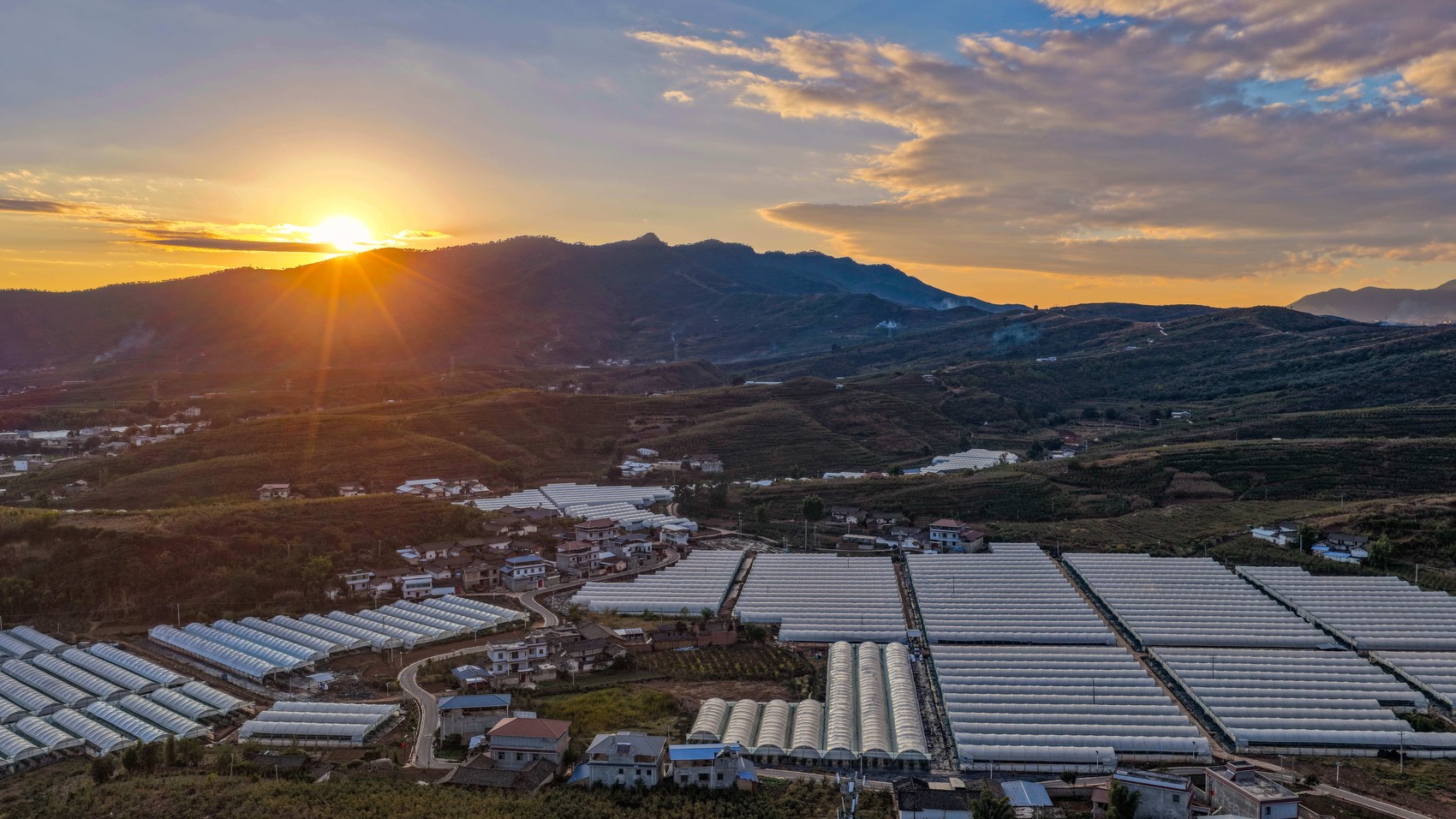
Photo: Xinhua / via Sichuan Online

From Liangshan to Southeast Asia
International shipments still represent a limited fraction compared to the provincial production scale, but there are already concrete precedents.
In April 2026, a shipment of 3,96 tons of blueberries from Huidong was exported to Thailand after meeting the corresponding phytosanitary controls.
There is also a history of trade with Malaysia. In 2025, regional media reported on shipments of blueberries Huidong's trade towards that market, while the most recent information confirms that both destinations are part of the area's trade channels.
These developments do not yet indicate a large-scale export flow from Sichuan. They do, however, show that part of Liangshan's production already has a supply chain that connects cultivation, selection, packaging, and access to regional markets.

Photo: Xinhua / via Sichuan Online
Produce earlier in a market with greater supply
The relevance of these windows increases in a Chinese market where the availability of blueberries It has grown and competition has intensified.
During 2026, producers and specialists in Sichuan were already warning of greater pressure on prices during periods of high fruit concentration, associated with the increase in supply and the coincidence of larger volumes at certain times of the season.
In this environment, distributing the harvest over different periods can reduce exposure to supply peaks, although the commercial outcome also depends on quality, costs, and the ability to place the fruit in the appropriate channels.
The harvest that is progressing today in Liangshan shows one of Sichuan's particularities: its ability to carry blueberries to the market from November and extend availability through production zones with differentiated schedules.
Added to this is a still nascent international market. In an increasingly competitive Chinese industry, the timing of fruit arrival on the market is gaining importance, along with production volume, quality, and available distribution channels.
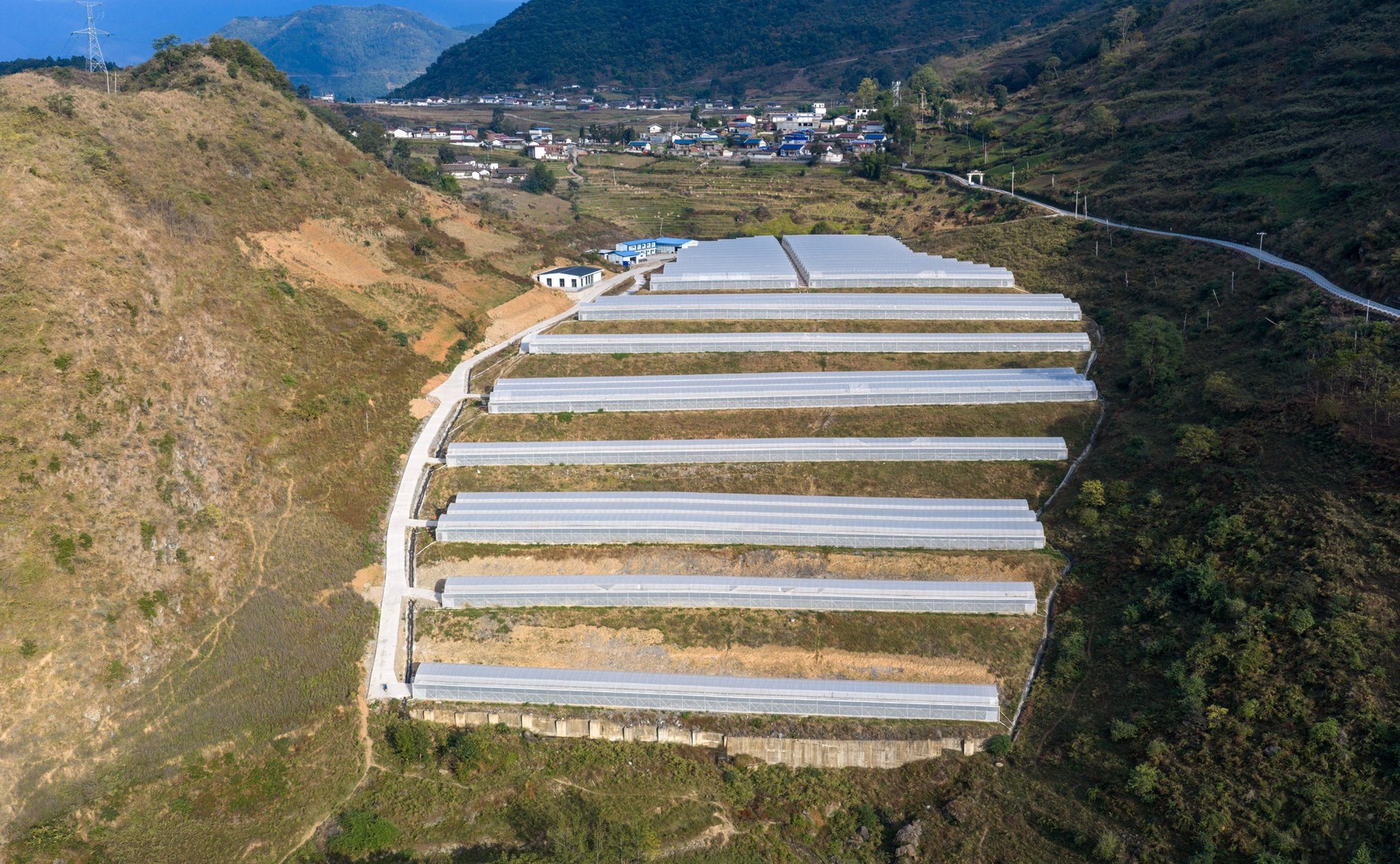
Photo: Xinhua / via Sichuan Online
Read also:
- Noposion brings forward harvests and expands exports in response to pressure on blueberry prices in China
- Blueberries in China: Increased production and lower prices intensify competition
- Xinjiang consolidates its position as a key player in China's winter blueberry market
- Driscoll's turns Yunnan into its regional berry platform for Asia
- Chinese blueberries are gaining ground in Southeast Asia thanks to genetics, quality, and business strategy
- Opportunity or threat? Business lessons from the Chinese blueberry boom
Previous article
Poland has 116.674 hectares of berries, with blueberries accounting for 13.356 hectares.next article
ARTÍCULOS RELACIONADOS