France is gaining blueberry buyers, but purchase frequency remains low
By: Natalia Rubio Iversen
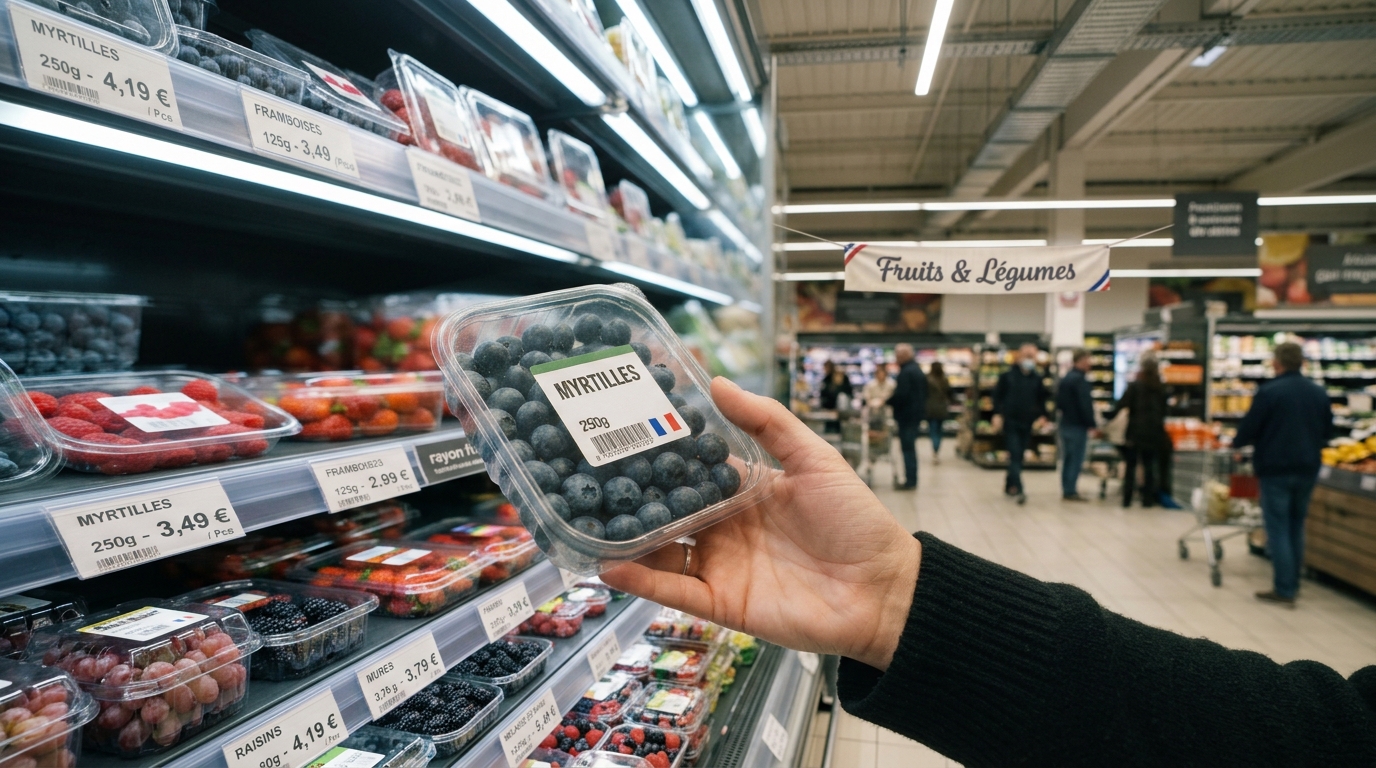
France is gaining importance as a market for the blueberryAlthough it still maintains a low purchase frequency compared to other European countries, this expansion is reflected in both the number of consumers and in imports and trade value.
The data released during 2026 shows that the country has added nearly one million buyers of blueberries since 2023. At the same time, Rabobank places French consumption at around 0,2 kilograms per capita per year, compared to approximately 0,8 kilograms on average in the European Union.
This progress already has a commercial impact. During 2025, France imported approximately 23.700 tons of fresh blueberries for a value of €159,6 million, with a volume 63% higher than that recorded in 2022.
More buyers, but consumption is still low
The expanding consumer base is still accompanied by low purchase frequency. On average, the French buy blueberries about four times a year and purchase around 280 grams per purchase, according to Numerator Kantar.
The low recurrence helps explain why France still lags behind more mature European markets in consumption of blueberriesRabobank specifically identifies penetration, frequency, and consumption occasions as variables that can support the development of markets where the category still has room to grow.

A highly concentrated import window
French supplies also maintain a marked seasonality.
In 2025, 53% of the imported volume was concentrated between March and May, with more than 4.100 tons per month during that period. Subsequently, external purchases decreased to 705 tons in July and 622 tons in August, coinciding with the period of greatest availability of European and French fruit.
The window of greatest import concentration already has strongly positioned suppliers. Morocco led by volume in 2025, with 8.648 tons, just ahead of Spain, with 8.423. In value, the order was reversed: Spain reached €58,5 million and Morocco €53,1 million.
The presence of both origins during the spring creates a particularly competitive scenario in the months when France concentrates a large part of its imports.
From interest to purchase
The product, however, has a good rating among French consumers.
A study published in 2026 by CTIFL on raspberries and blueberries This shows that both fruits are associated with positive attributes such as taste, enjoyment of consumption, and a perceived health benefits. More than half of the respondents reported buying or consuming them. blueberries.
A positive product image doesn't always translate into a purchase. Among small red berries, three out of five shoppers reported having passed over the product at the point of sale.
The main reasons include a price considered too high, damaged fruit, perceived quality as insufficient, and products that are too ripe or fragile.
The relationship between price, appearance, and condition is thus especially relevant in a category where there is still room to increase purchase frequency.


From purchase to repurchase
The consumer experience adds a second dimension.
The CTIFL sensory studies specifically on blueberries They show that the batches rated highest by consumers are sweeter, juicier, and more aromatic. Disappointment, on the other hand, occurs when aroma, sweetness, or juiciness is lacking.
This distinguishes two moments within the consumer relationship. At the point of sale, price, appearance, and condition can determine whether the purchase is made. Once the fruit is consumed, its sensory attributes influence the experience and the likelihood of repeating it.
A market that grows before reaching maturity
France shows clear signs of commercial expansion, but still maintains relatively low per capita consumption and purchase frequency.
Future growth will depend on that larger buyer base turning into recurring consumption, within a market where seasonality, price, condition and consumption experience continue to define the competition.
- The French blueberry campaign promises
- The French blueberry market remains dynamic despite the impact of the heat wave
- Rabobank forecasts that blueberry exports will exceed one million tons in 2027/28
- Western and Central Europe surpasses North America in imports of fresh blueberries
- Spain, Italy and Portugal are accelerating their blueberry imports
- Europe maintains high demand for blueberries, but quality defines the market.
Previous article
Brent Walsh, Berries ZA: “The lower Peruvian supply has boosted demand for South African blueberries”next article
ARTÍCULOS RELACIONADOS