Europe maintains high demand for blueberries, but quality defines the market.
The transition from supplying blueberries The conquest of Morocco and Egypt into Spain and Portugal was, in general terms, successful, although not without difficulties. This was noted. William Hill, CEO Fruit Hill, when analyzing the recent behavior of the European market.
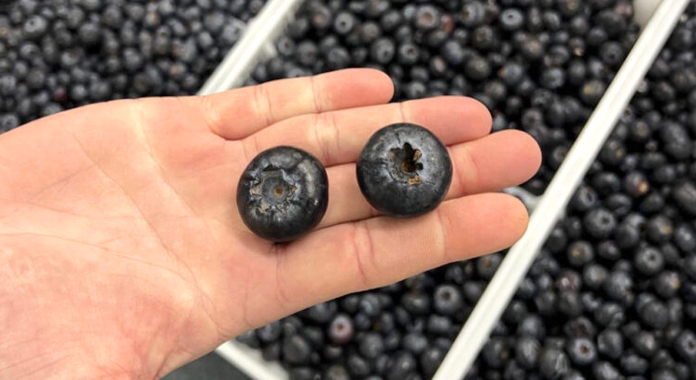
“The Egyptian season, in particular, lasted much longer than expected and largely overlapped with the Spanish and Portuguese harvests. This resulted in a fairly saturated market during June, with a wide range of quality levels available. Although there was a lot of fruit in circulation, ensuring consistent quality and sufficient post-harvest life for retail programs became increasingly difficult,” he explained.
Heat waves in Europe
Hill noted that the heat waves affected production in Spain and Portugal. The plants were subjected to considerable stress, impacting both volume and overall fruit quality.
This scenario, combined with the extension of the Egyptian season, increased the presence of lower quality fruit during June.
“I wouldn’t necessarily say that the market was lacking blueberries"It lacked good quality fruit with the post-harvest life that retailers require," he said.

A complex supply from Eastern Europe
Supply from Eastern Europe has also been complex. Romania had a relatively short season, which is now almost over. Although volumes were fairly consistent, post-harvest shelf life again emerged as the main problem.
“Poland is starting to build more significant volumes and we expect it to have a solid, high-quality August. However, the available window appears shorter than we would normally expect,” Hill said.
Peru gains relevance towards September
Regarding the supply from the Southern Hemisphere, Hill noted that they haven't received many recent signals from South Africa. The lack of offers suggests that there may not be a significant volume of fruit available from that source.
In contrast, Colina Fruit expects Peru to become increasingly important, with the first significant volumes likely to begin in September.
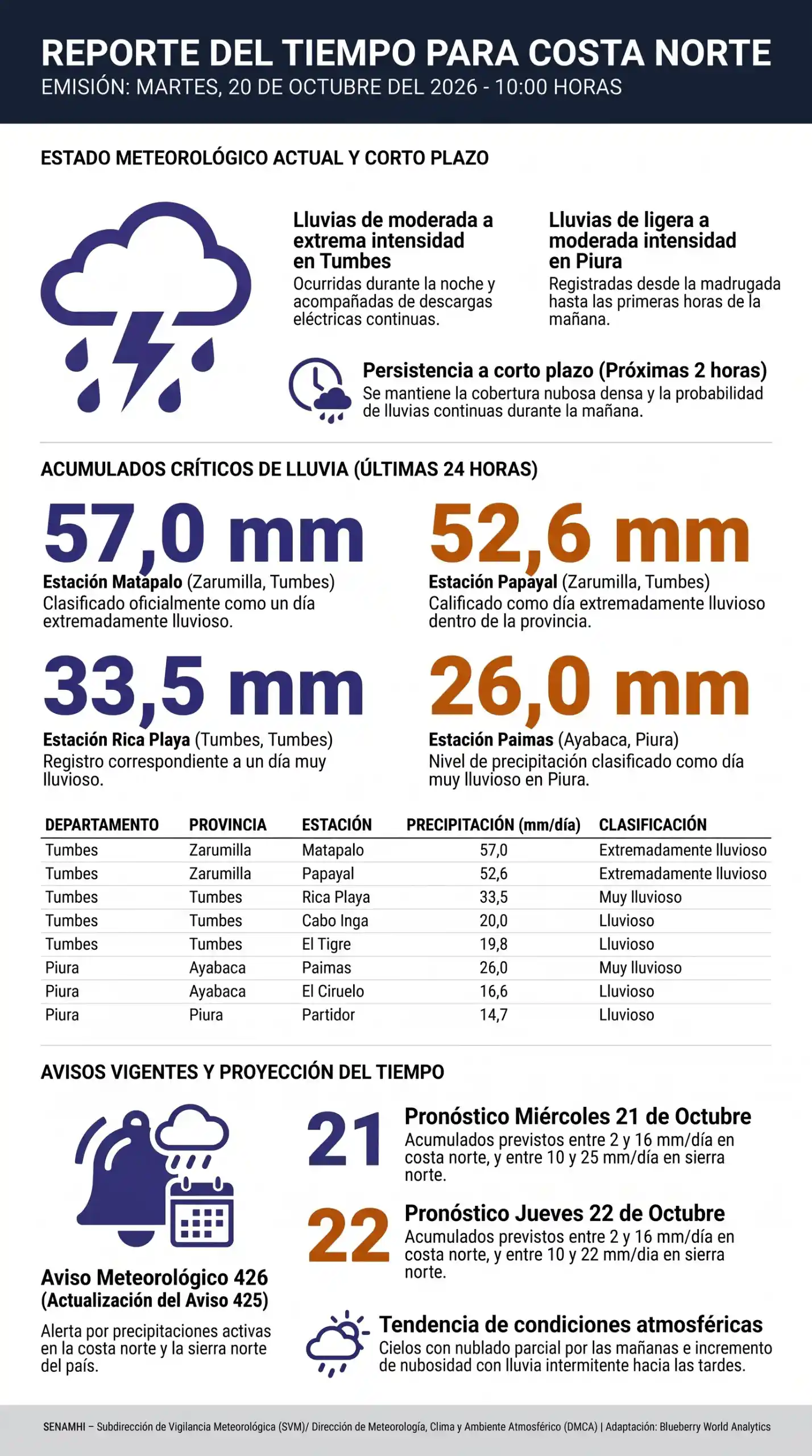
“Despite the El Niño conditions affecting Peru this year and some reports of damage in the north, the overall Peruvian supply appears relatively stable. We expect this fruit to deliver the high quality and post-harvest shelf life that the market demands,” he noted.
© Colina Fruits

Prices under pressure and a clear quality gap
In terms of prices, the market continues to be under pressure, although with an increasingly evident separation between good and low quality fruit.
The blueberries Good quality fruit with adequate post-harvest life should continue to fetch solid prices. In contrast, lower quality fruit has become extremely difficult to sell, almost regardless of price.
“After such a prolonged period of inconsistent quality, customer tolerance has decreased significantly and the market available for this fruit has shrunk dramatically,” Hill explained.
Even so, the demand for blueberries The demand for good quality blueberries remains strong in Europe. Although it can be influenced by promotions, weather, or holiday periods, Hill maintained that blueberries are now an established year-round product and not a purely seasonal purchase.
A still challenging summer
Looking ahead to the coming weeks, the outlook will remain challenging. The Eastern European window appears relatively short, while quality and post-harvest life will continue to shape market behavior.
“As we get closer to September and the Peruvian volumes start to arrive, we should see a more stable supply position,” Hill projected.
Overall, Colina Fruit expects strong demand and solid prices for good quality fruit for the remainder of the year. The key distinction will continue to be the condition of the fruit: there will be demand for the blueberries with adequate quality and post-harvest life, while lower quality fruit will continue to be very difficult to market.
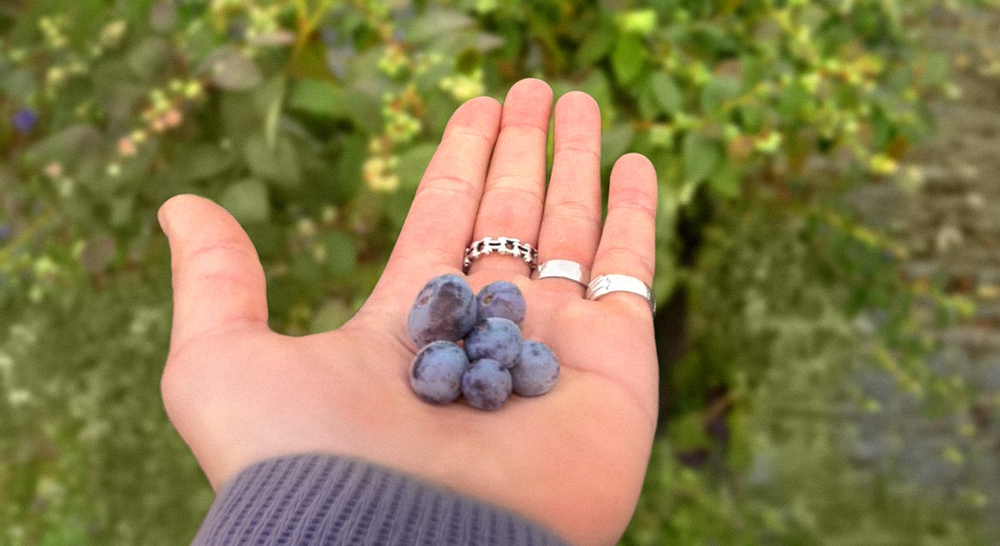
© Colina Fruits
Read also:
- ProChile invites Chilean agricultural suppliers to explore business opportunities in Morocco
- Chile is betting on Morocco to open up a market for its fresh fruit in North Africa
- Morocco is growing steadily and consolidating its position in the global blueberry industry.
- International Blueberry Seminars 2026: Blueberries travel through Peru, Chile, Mexico, Morocco and China
ARTÍCULOS RELACIONADOS