«Cherries are a pillar of Chilean fruit growing, so cooperation will be essential for its stability and growth»
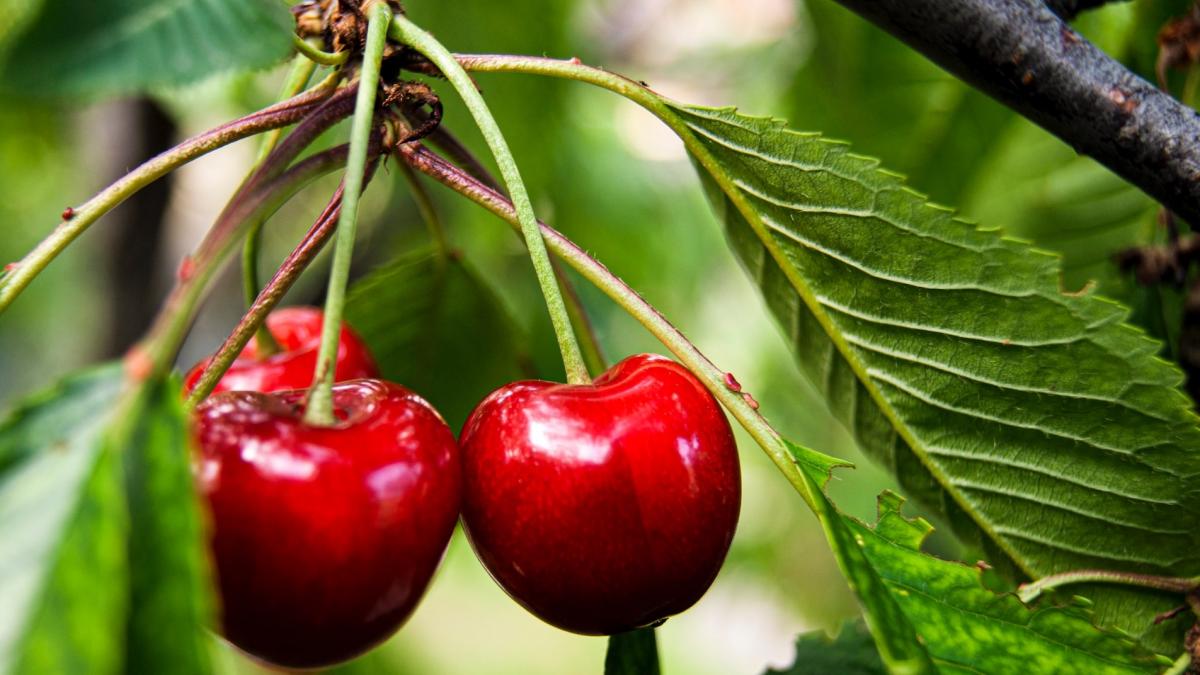
Chilean cherries, an economic engine for the country's fruit industry, have suffered a significant drop in prices this year. "The market could not cope with the volume sent to China. We grew by 50%, but only 50% of 80 million boxes. Unlike other years, where growth was lower and the market could absorb the supply, this time overproduction severely impacted prices, with a 50% drop, seriously affecting producers, exporters and importers," according to Luis Ahumada, director of Los Olmos.
Another critical event of the season was the delay in the arrival of a ship carrying 1.300 containers of cherries due to a major mechanical failure. “They were supposed to have arrived on January 19, but they arrived on February 17,” says Ahumada. This delay compromises the quality of the fruit, which cannot be marketed as fresh and will probably have to be destroyed. “We will have to negotiate solutions with the shipping company and, since it is Maersk, we are confident that we will find the best option for both parties,” he added.

To meet these challenges, Los Olmos has decided to adapt with clear strategies: reducing production per hectare, prioritizing larger-caliber fruit and improving its firmness. “China will only tolerate very high-quality fruit,” says Ahumada. In addition, they are exploring market diversification, with the aim of not depending exclusively on the Chinese market.
«Next year will be a test of unity for the entire industry, where each player will have to contribute and respect the agreements made for the benefit of the sector. Cherries have been and will continue to be a pillar in Chilean fruit growing, so cooperation will be essential for its stability and growth,» he warns.

«In the case of grapes, the company has experienced annual growth of between 15% and 30% in past seasons, with exports mainly to Europe, North America and Asia, and expansion into Latin America. Grapes are recovering after the effects of the pandemic and the logistical problems generated in the 2021 and 2022 seasons, with prices that have experienced a considerable increase. However, the outlook continues to present difficulties, such as rising costs, pest control and the need to improve production efficiency, quality and competition with other producing countries in the southern hemisphere,» he explains.

The table grape market has recovered after two difficult years. “Last year was the best price year in the last 15 years, with a 30-40% increase,” the director points out. However, grapes remain a challenging product, with high production costs and new phytosanitary problems, such as Drosophila suzukii, which increase handling costs.
Despite these obstacles, Ahumada remains optimistic about the future. “If we do things right, 2025 could be a reasonably good year for table grapes. Every year is different, so we must be prepared for what experience tells us and, at the same time, we must be very attentive to what happens around us every day, in order to face it in the best way possible,” he concludes.
ARTÍCULOS RELACIONADOS