Optimism for Mexican berries after a tough 2023

Climate change has had a major impact on volumes, but the introduction of new varieties offers hope for the future of the industry.
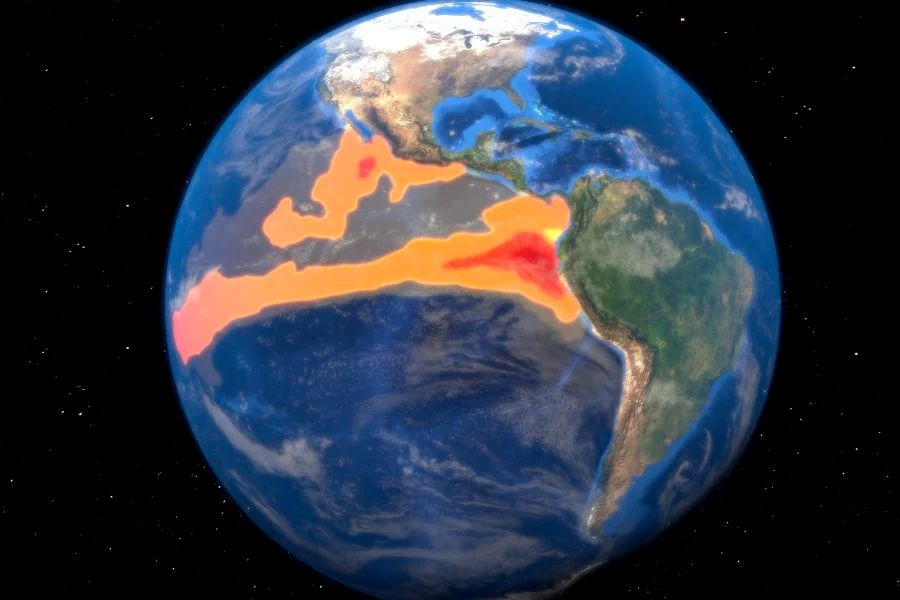
For Mexican berry growers, the 2023/24 season was a challenging one across the board. Volumes and revenues fell by about 15 percent year-on-year as climate change brought drought conditions to key production regions in Michoacán and Jalisco.
“The 2023/24 season was the most difficult we have experienced as an industry in the last 12 years,” says Miguel Ángel Curiel, general manager of Driscoll's Mexico. “At Driscoll's, we started the season well with berry volumes that met our expectations in the fall of 2023. However, the winter was warm, which affected yields of all products and the plants did not flower as expected, although we did see some recovery in volumes in the spring.”

“It has been a challenging period and quite difficult in every aspect,” agrees Carlos Madariaga, commercial director of Berries Paradise. “Climate change has had an impact on volumes in the form of extreme heat and lack of rain.” A similar assessment is offered by Alvaro Preciado, director of the Jalisco-based berry grower and exporter collective Gold Fruit Farm, who says climate change is just one of several factors affecting production.
“The climate has had an impact on us because it has changed production, making it more difficult,” he says. “We have also been affected by the exchange rate [peso-dollar], which is lower than a year ago, and by the high costs of inputs and labor.” However, there are some signs of optimism.

According to Curiel, Driscoll's Mexico has converted 100 percent of its production to new berry varieties over the past three years, and has high hopes for recent introductions, including Mia raspberries and Arana blueberries. Mia, with its high productivity, offered a "solution" for Driscoll's last season, though Curiel says its susceptibility to fungus makes it sometimes a challenge to produce.
Madariaga also sees future opportunities for berry companies that focus on optimization and “exceptional genetics.” Unlike many of its contemporaries, Berries Paradise already ships to non-North American markets. While 75 percent of its volumes go to the United States, Madariaga estimates that 25 percent goes to other global markets.

As is the case in many sectors, exports to the United States currently account for almost 100 percent of the volumes produced by Gold Fruit Farm's 125 small and medium-sized producers. However, Preciado says there is strong interest in reaching the European market, something the company hopes to achieve in the coming seasons.
“It's not something we've explored yet because we're barely meeting North American demand with our volumes, but we believe that with varieties like Daniela (raspberry) and Sweet Caroline (blackberry), as well as new blueberries like Sekoya Pop, we'll be able to compete,” he says.
This interview was excerpted from Fresh Focus North America.
next article
UNITEC EMERGES FROM THE AVALANCHE IN RECORD TIMEARTÍCULOS RELACIONADOS