Port of Hamburg strengthens its strategic alliance with India after historic free trade agreement
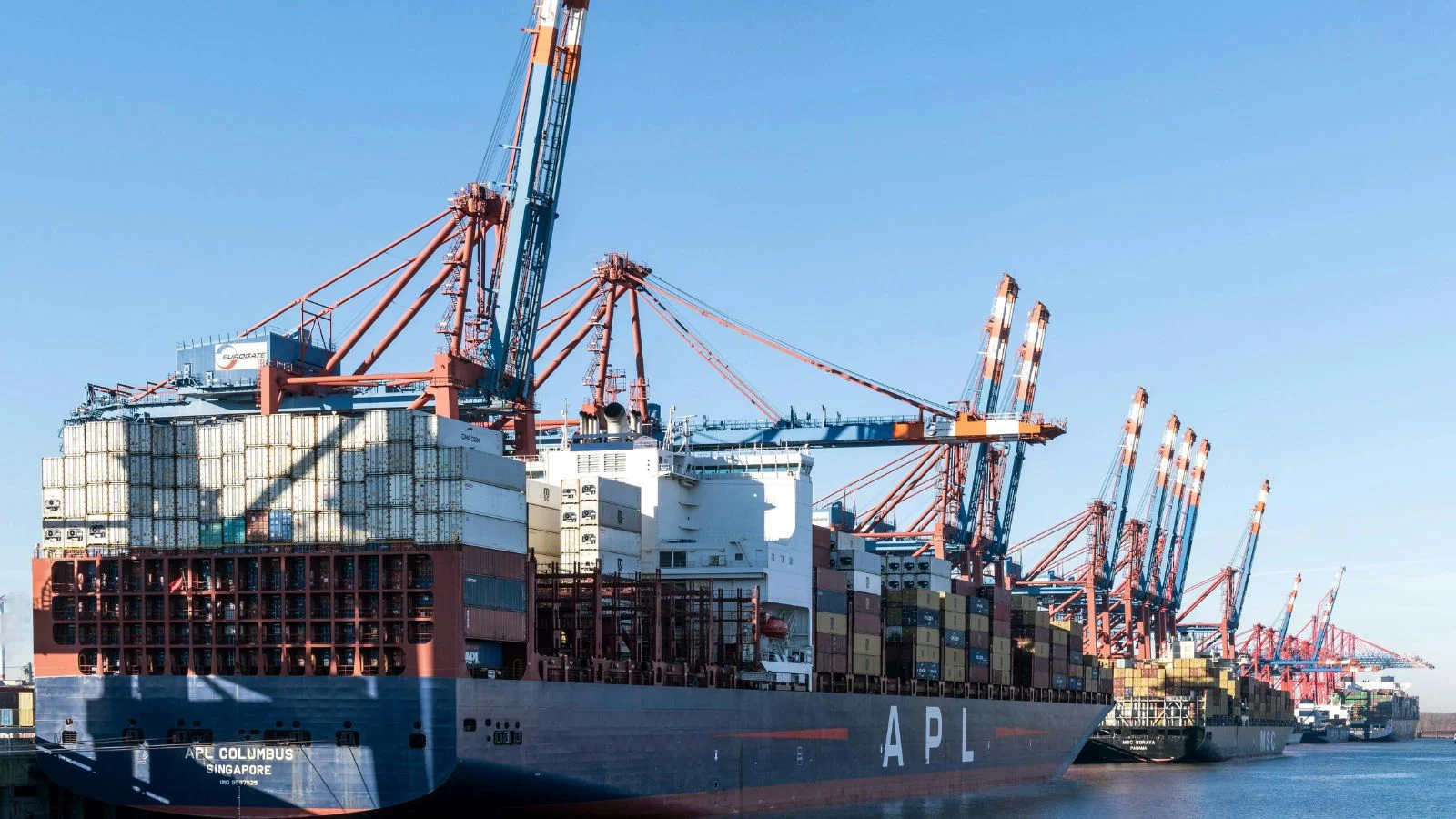
Following the recent signing of the Free Trade Agreement between the European Union and India, a high-level delegation from Hamburg's maritime and port industry visited the most important logistics centers in the Asian country with the aim of deepening bilateral cooperation and strengthening trade.
The mission, which included key stops in Chennai, Mumbai and New DelhiThe focus was on consolidating India as one of the most dynamic trading partners for the German port. According to recent data, direct trade between Hamburg and India has experienced exponential growth, reaching a record high in 2025.

Trade on the rise and record high in TEUs
The German port closed the year 2025 with a volume of 290.000 TEU in direct trade with the subcontinent, which represents an increase in 50% compared to the previous year. Furthermore, among 2020 and 2024The movement of containers had already registered an increase of 21%positioning India in the sixth place among the most important partners for Hamburg in maritime container traffic.
Hendrik Meyn, CEO of Port of Hamburg Marketing, highlighted that these numbers "clearly demonstrate the dynamic development of trade with the subcontinent," underscoring the strategic importance of diversifying trade relations in the current geopolitical context.

Technical cooperation and port sustainability
Beyond the exchange of goods, the delegation held meetings with port authorities from Mumbai and the Jawaharlal Nehru Ports Authority (JNPA) to discuss the transition to climate-neutral ports. Hamburg shared its experience in implementing shore power to reduce ship emissions while docked.
The talks also addressed infrastructure modernization, transformation of port areas and development of cruise terminals, with a focus on more efficient and sustainable management models.
Connectivity: strategic services and ports
Currently, the Port of Hamburg has a network of connections with India that includes:
- 12 regular services: 6 container services, 3 roll-on/roll-off (RoRo) services and 3 conventional/heavy cargo services.
- Direct connections to ports such as Nhava Sheva, Mundra, Mumbai, Chennai, Ennore and Hazira.
With this approach, the German port seeks to maintain its relevance in Europe and position itself as a key logistics hub for the growth of trade between India and the continent.
Previous article
Peru: Blueberry exporters could request a refund of the 10% tariff in the United Statesnext article
ARTÍCULOS RELACIONADOS