In what state is Chilean fruit growing?

In the series Studies for innovation, from the Foundation for Agrarian Innovation (FIA), in 2015 the investigative work was carried out: “Chilean fruit growing by 2030. Main technological challenges to improve its competitiveness”. Already in 2024, more than half of the period to achieve the objectives set has passed, it is good to review some of its topics and evaluate its development.
The research was carried out within the framework of FIA's prospective work aimed at anticipating and preparing the sector for current and future climatic, productive and economic difficulties. The objective was to generate inputs for the construction of a technological strategy, aimed at the competitive and sustainable development of Chilean fruit growing with the horizon of the year 2030.
Present of challenges
In the current scenario, described by the industry leaders themselves, as highly affected by the water crisis, the new market demands, the challenges that arise from phytosanitary protection, the systems approach and investment and financing difficulties, apparently the objectives are far from being achieved by the set date.
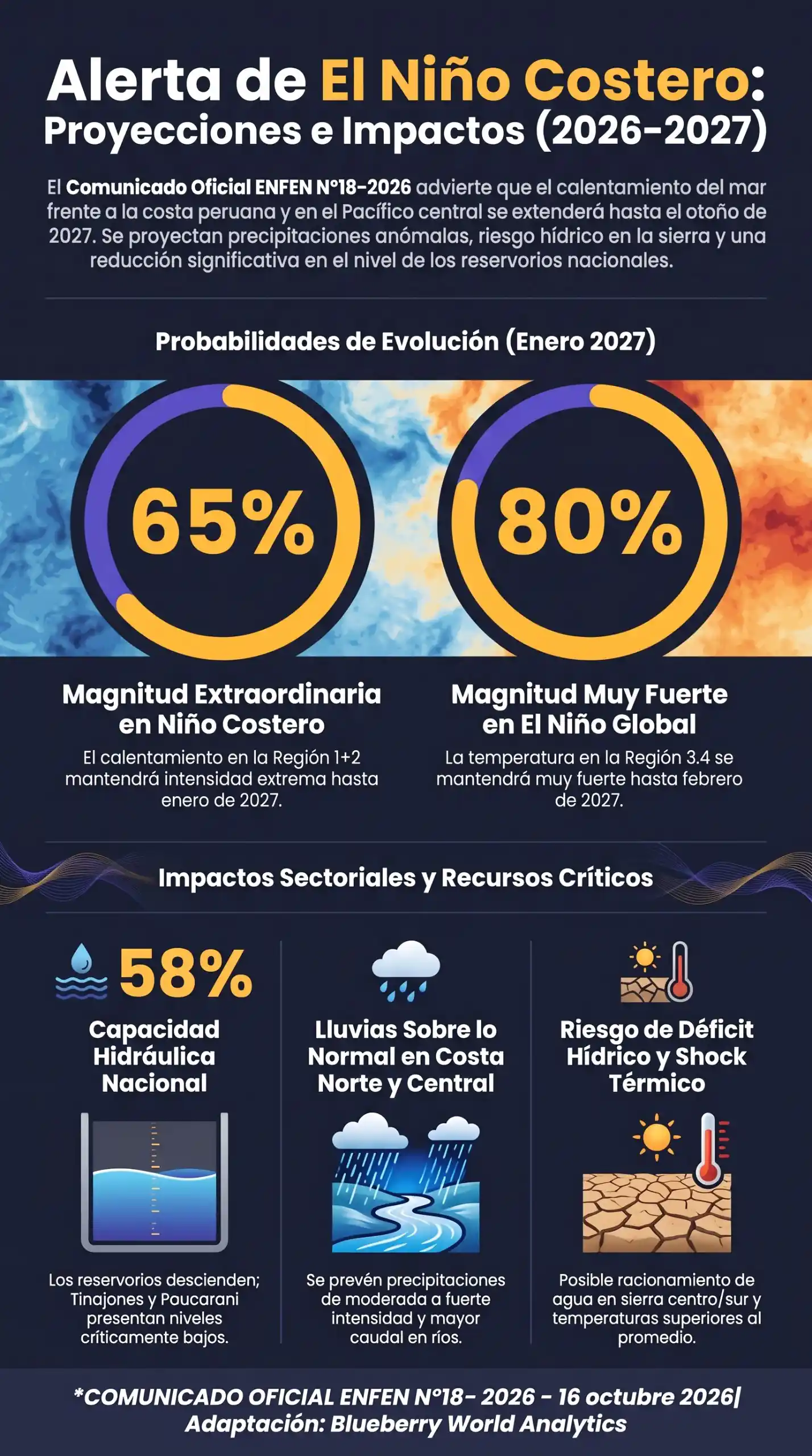
The water issue has become central to everything related to production and yields. The climate aspect has also become a gravitational factor, due to its changing and increasingly intense behavior, which has made it a high-impact factor for the sustainability of the industry.

The climate, determining
In this framework, the president of the Federation of Fruit Producers of Chile (Fedefruta), Jorge Valenzuela, has declared to the national media that after the intense storms of last winter "there is still irrigation infrastructure that has not been recovered and is complicating production."
For example, for these climatic reasons there has been a significant decline in the export of cherries, due to the winter with storms, but with few hours of cold, in addition to the spring rains. This lowered the estimate to 100 to 80 million boxes and ultimately the industry projects that the final shipment volume will be close to 60 million boxes.

Jorge Valenzuela president of the Federation of Fruit Producers of Chile (Fedefruta)
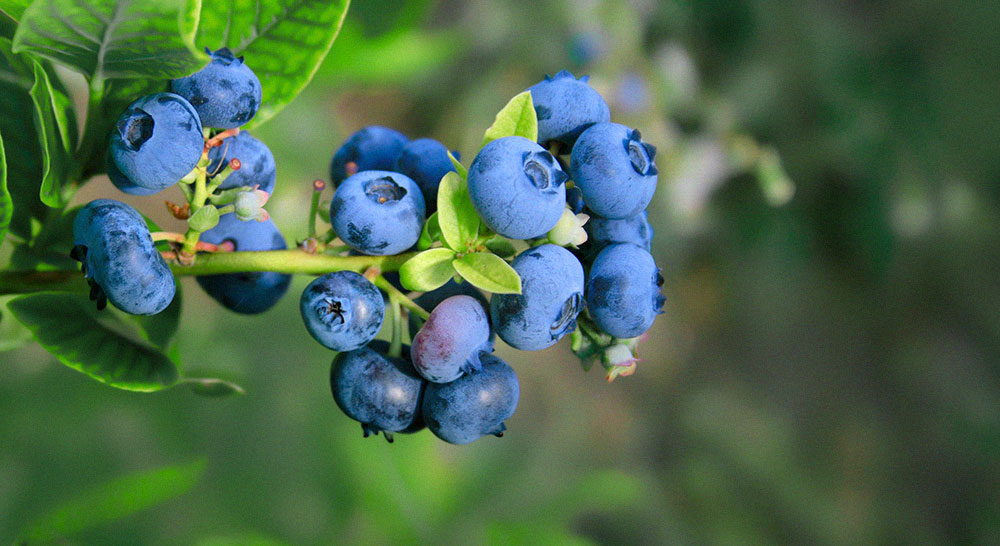
This decline, as a result of the climate change, will also extend to export blueberries and other crops.
Valenzuela explains that the production of fruit such as cherries and blueberries, pressured by the rains, is expensive. “We have had to use a greater amount of inputs to avoid rotting of the fruit that was hanging, we had to apply measures for drying fruit and flowering orchards, we had to look at the issue of processing in packing,” he lists.

New markets
Regarding markets, he declares that India is a priority objective, although he maintains that the main focus of the Chilean fruit industry should be in Brazil, based on its population of more than 200 million and because “this country is already familiar with our products and “He consumes them regularly,” he says.
Chilean fruit exports to Brazil in the 2021-2022 season showed a growth of 70% and in the current season this figure is expected to rise again by over 30%.
“Brazil has become the fourth most important destination for our Chilean fruit exports, which is why it will be the guest of honor for the 2024 version of our fruittrade, where we will bring importers and Brazilian companies to approach the Chilean producer,” says the industry union leader and outlines other factors that suggest that the industry is going through great challenges.
Factors to overcome
“The climate factor will be the main uncertainty, as it has been throughout all these months with the El Niño Phenomenon"
“We are attentive to pest and disease pressure”
“Due to the water issue and the lack of liquidity due to seasons complicated by the pandemic, we also consider it important to launch a special financing program that involves not only BancoEstado with the permission of the Government, but also with the other banks in the country. ”
“The windows that we had in the past are no longer the advantages that they gave us before, so now we must ensure quality that is sold in the face of any pressure from the competition, and know in greater depth the projection of our fruit in the markets” .
Clearly the Chilean fruit industry has had to face great challenges derived from multiple reasons and factors, so reviewing the strategic plans drawn up will be a good exercise to amend plans and recover competitiveness in various areas.
In the next edition we will publish an extensive report on this topic, addressing the plans, achievements and aspects that have been left undone, in addition to the new projections and objectives for the industry in this century.
Previous article
Driscoll's appoints commercial directorARTÍCULOS RELACIONADOS