The US blueberry season kicks off with a lower initial supply
The US blueberry market is beginning its transition from imports to early domestic production. "This year's supply is expected to be tighter than normal, mainly due to weather damage in Florida and Georgia," says Bruno Giribaldi, Executive Vice President of Global Sourcing at berries from The Fresh Wave Fruit & Produce®/Consalo Family Farms®.

Here is a summary of the evolution by region:
MexicoMexico is currently the main supplier. "Growing conditions have been favorable, and production is expected to peak between weeks 15 and 17, with weekly volumes of approximately 5.000 tons," says Giribaldi.
However, Mexican volumes alone are not enough to fully meet demand. Production is also expected to overlap slightly with early Georgia production.
Peru: Peru is decreasing its production and only a few producers are still making shipments, so it is a relatively normal season.
Chile: Chile has already completed its season and may have finished slightly earlier than usual due to heavy rains that affected the final part of the harvest.
Florida and Georgia: Production in these two states is expected to start later than normal due to weather problems.
Morocco: This country also starts a few weeks later than normal due to weather disturbances.
Compared to this time last year, there is less overlap between producing regions. “Last season, Chile maintained stronger shipments and Peru continued with a steady flow of volumes, which created greater supply overlap before Mexico ramped up and Florida began its early harvest,” says Giribaldi. “As a result, last year’s market had a more balanced supply availability and was under less overall pressure compared to the tighter conditions we are seeing this season.”

© Freshwave Fruit & Produce®/Consalo Family Farms®

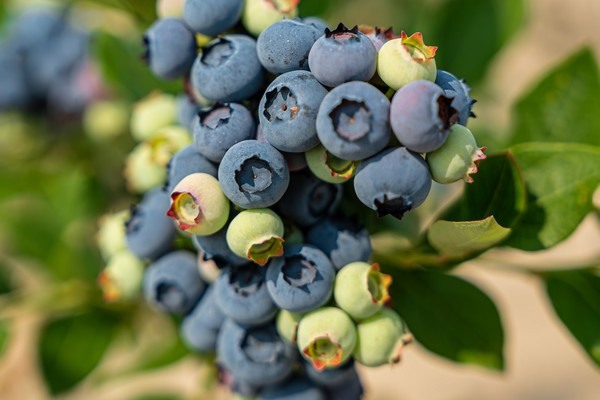
In terms of varieties, the sector also continues to evolve as growers adopt new genetics that improve the size, flavor, and shelf life of berries. “Within our programs, varieties like Loreto and Olympus, grown in New Jersey, are performing well and offering solid quality and consistency for the domestic market,” says Giribaldi, noting that the company is planting new varieties on its own farms and with growers it works with around the world.
While new genetics are one of the advances the sector is experiencing, limited early domestic supply, temporary import volumes, and weather risks in exporting regions are proving to be the main challenges for the category. "These supply constraints have resulted in firmer prices, which in turn limits promotional opportunities and may put some pressure on short-term consumption growth," warns Giribaldi.
© Freshwave Fruit & Produce®/Consalo Family Farms®

Moderate promotional activity
Demand remains stable and generally follows typical late winter/early spring seasonal patterns. Retailers are maintaining steady purchasing levels, although promotional activity is moderate, as purchasing managers are cautious due to supply shortages and rising market prices.
Consumption is also expected to remain stable in the coming weeks. "Retailers are quickly absorbing the available supply, although promotional activity is likely to remain somewhat subdued due to tighter volumes and firm prices," says Giribaldi.
With a tighter supply, blueberry prices are higher. “Reduced early domestic volumes from Florida and Georgia, combined with less overlap from Chile and Peru, have put pressure on the market. As a result, Mexican fruit is setting the price trend until domestic production increases,” says Giribaldi, noting that prices have also stabilized compared to a few weeks ago, although they are still generally higher than at the same time last year.
Looking ahead, the blueberry supply should gradually improve over the next few weeks as volumes from Mexico continue to increase and Georgia begins to ramp up its production. “Florida volumes will remain limited due to frost damage,” Giribaldi adds.
Overall, the market is expected to remain relatively tight in the short term, which should keep prices stable to high.
ARTÍCULOS RELACIONADOS