New blueberry operation in Peru aims to supply global markets
After consolidating an integrated table grape operation based on sustainable practices and aligned with market standards, Vanguard is preparing to harvest the first blueberries of its new operation in Peru.
“Once we reached a level of single-origin grape production that allowed us to supply the world’s largest retailers, we saw an opportunity to focus our attention on a new category for Vanguard’s own production,” said Ethan Williams, president of Vanguard International and Vanguard Direct. In his opinion, the blueberry It offers ample opportunities for consumption growth in different regions of the world.
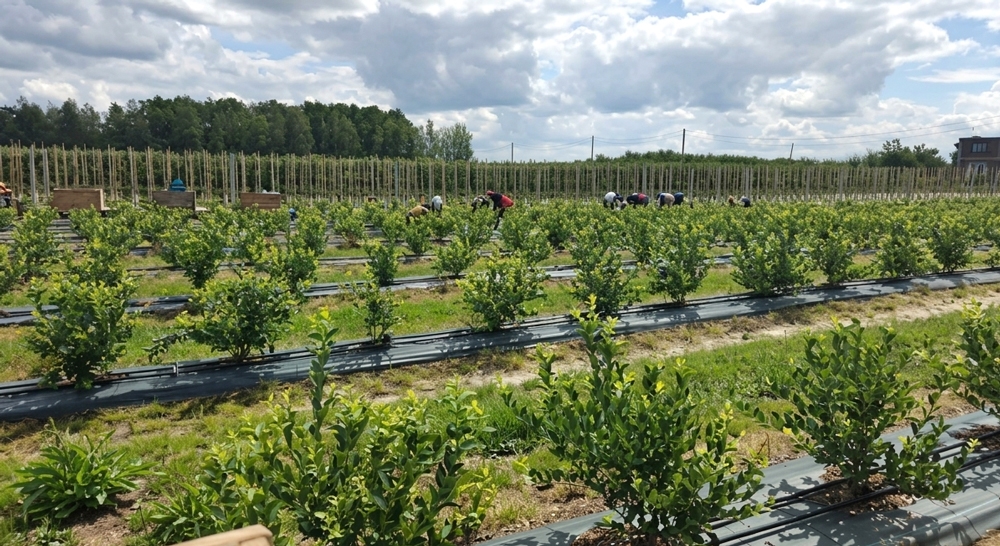
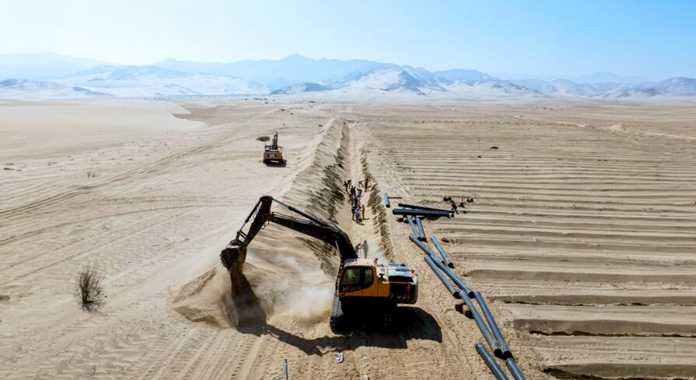
With that goal in mind, the company advanced a diversification strategy that will allow it to harvest year-round in one of the world's most favorable agricultural regions. blueberries “They adapt very well to this area of Peru,” Williams commented. The field is located in Pisco, approximately one hour north of the table grape operation the company maintains in Villacurí, Ica. This expansion into the blueberry It will also generate year-round job opportunities for communities linked to Vanguard's operations.
© Vanguard International

Which varieties were selected?
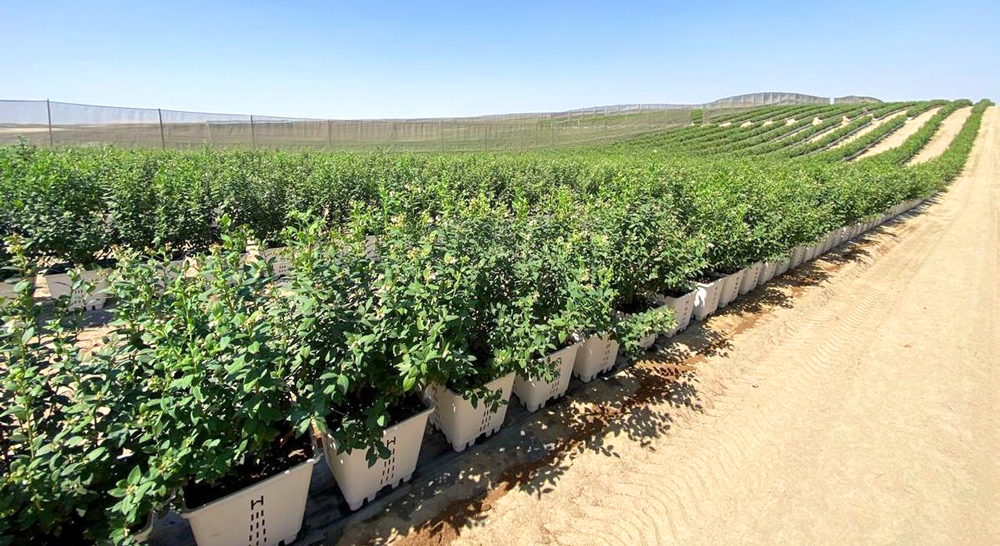
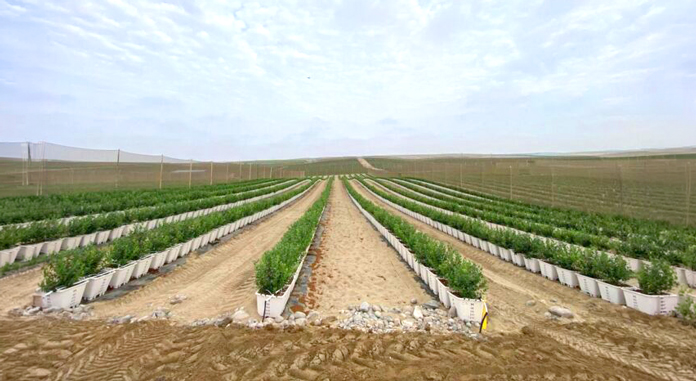
The first phase of the project includes 550 hectares planted. An additional 950 hectares are already being prepared for future expansion.
“Given the wide and ever-expanding range of blueberry varieties available, we made the strategic decision to pause planting for a year,” Williams explained. He indicated that this pause will allow for a proper evaluation of the performance of established varieties and ensure that this investment continues with the most promising genetic material.
According to the company, in blueberries A similar dynamic is being observed to that experienced years ago with table grapes: the need to migrate towards new genetics capable of offering better fruit quality without compromising post-harvest life. "The genetics we have chosen for the field are aimed precisely at that consumer experience," Williams stated.
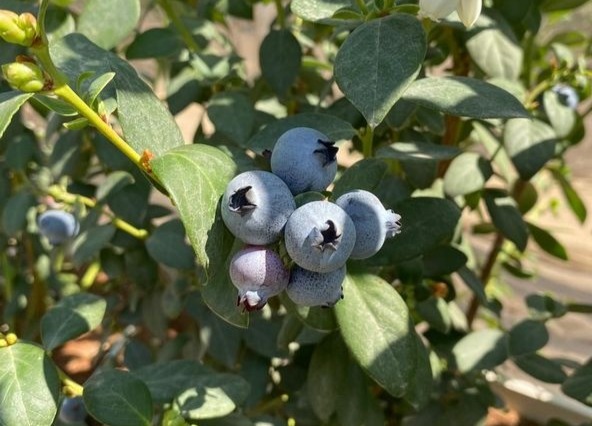
The main variety planted on the first 550 hectares is Apex, from Fall Creek. “We continue to receive very positive feedback and growing interest in this variety, which has proven to be a real competitor to Sekoya Pop, now better positioned within Fall Creek’s portfolio,” he said.
The remainder of the initial planting consists of the MegaEarly, MegaCrisp, and MegaGem varieties from IQ Berries. According to Vanguard, all four varieties have consistently delivered fruit sizes exceeding 18 mm in 60% to 70% of the yield, making them suitable for both traditional programs and jumbo blueberry formats for large retailers.
© Vanguard International

First harvest
The first harvest from Peru will begin in June, providing availability until the end of December. As the plants mature, the harvest window will extend from mid-May to early February.
The blueberries Vanguard's Peruvian products will be marketed through the same channels the company uses for its table grape business: Vanguard Direct will serve the United States and Canadian markets, while Vanguard International will handle the rest of the global destinations.
© Vanguard International

Early blueberries for Asia
Air shipments will be available for arrivals at the end of June, which, according to the company, should generate particular interest in the Far East.
“Shipments to the United States will begin arriving in late July, as US retailers typically focus on domestic supply until mid- to late August,” Williams explained. “However, our early start will provide an alternative source of supply for our major US retail partners should local supply prove insufficient.”
As the plants mature, the late harvest will allow customers to maintain blueberries Peruvian fruit will remain on supermarket shelves until the volume from Mexico is sufficient to make the transition. "That eliminates the need to link both origins with Chilean fruit," he added.
Americas and Europe as main destinations
Williams anticipates that most of the production will go to large retailers and retail service providers in the Americas and Europe, while a smaller proportion will be strategically shipped to the Middle East and Asia during periods of high demand and limited supply.
Previous article
The French blueberry campaign promisesARTÍCULOS RELACIONADOS