Peru is diversifying its blueberry exports to India, Thailand, and Singapore

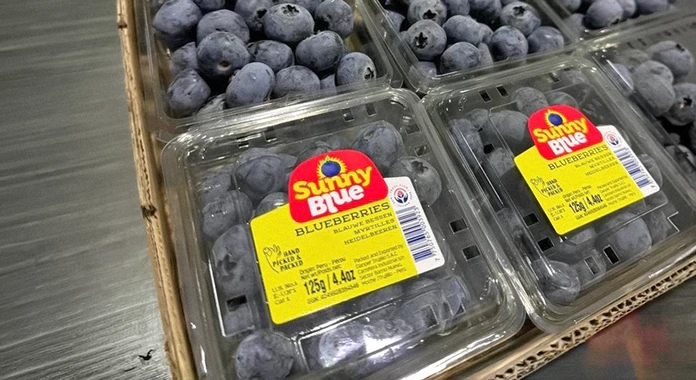
During the Asian trade fair dedicated to the fruit and vegetable sector, Christian Pereda and Luis Alburqueque, from Euroandes Foods Import—the commercial arm of the Danper Group, one of the main Peruvian producers and exporters of fresh fruit—shared the role that Asia currently plays within their market diversification strategy for the blueberries Peruvians.
“We are looking to boost sales in Southeast Asia using a bimodal approach,” Pereda explained, detailing that the company combines maritime transport to its European office with subsequent air freight shipments to destinations such as Thailand, India, and Singapore. The goal, he noted, is “to reach these markets through more efficient logistics that preserve quality.”
© DanPer

For Euroandes, the Asian market represents untapped growth potential. While China and North Asia have more established consumption patterns—as they are also producing regions—countries like India, Thailand, and Singapore are experiencing growth and are seen as a long-term opportunity. The executive identified logistics as the region's main challenge: reducing maritime transit from South America would, in his view, make the product more accessible and promote increased consumption.
Regarding market demands, Pereda pointed out that these increase as domestic consumption develops in each country, a trend that is already clearly observed in China and is beginning to be replicated in Singapore and India.
© DanPer

Regarding the current state of the campaign, Euroandes representatives described a scenario of rising prices following a European window still largely dominated by local origin. They explained that Peru is already leading shipments in this initial stage thanks to exclusive varieties, although the real momentum will come with the arrival of open-pollinated varieties, such as Ventura and Emerald. The weather, they said, has resulted in variations of up to 40-50% less fruit depending on the variety and the orchard, which could leave Peru with a similar volume to the previous season, albeit with a more stable market in terms of prices.
Regarding the country's positioning, those interviewed noted that, although China concentrates the largest global production, Peru continues to be the main exporter, with a commercial window that extends mainly between August and February.

© DanPer
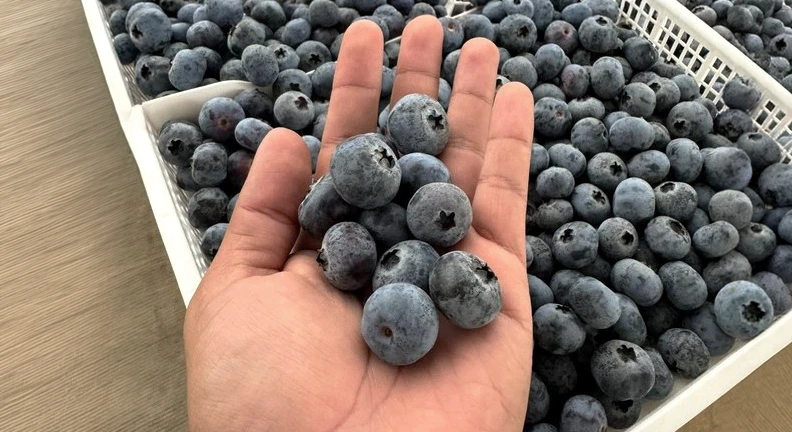
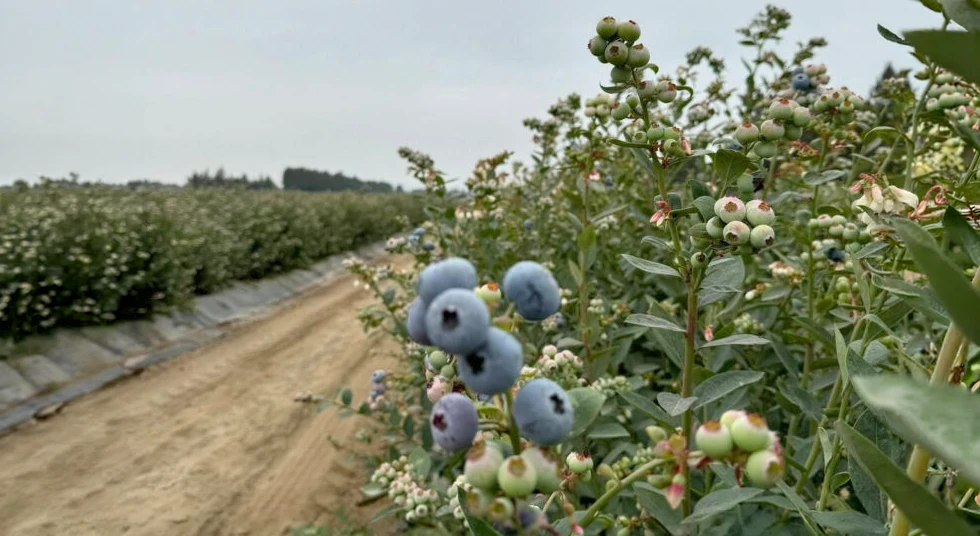
As a group, Danper currently works with eight products, five of which are in the fresh produce line: grapes, blueberriesAvocados, mangoes, and asparagus are also grown, the latter with a smaller share in recent years. The company plans to increase its grape acreage from 100 to nearly 800 hectares over the next three years, and will also close the current fiscal year with 1,000 hectares of blueberries, including both exclusive and open varieties.
Finally, the executives agreed that the vertical integration of Peruvian companies —with their own offices in different markets— responds to the search for a more direct relationship with the end customer, both to consolidate existing ties and to develop new markets within Southeast Asia.
© DanPer
ARTÍCULOS RELACIONADOS