North Bay Produce: Genetics, productivity, and condition raise the bar in the blueberry business
By: Martin Carrillo
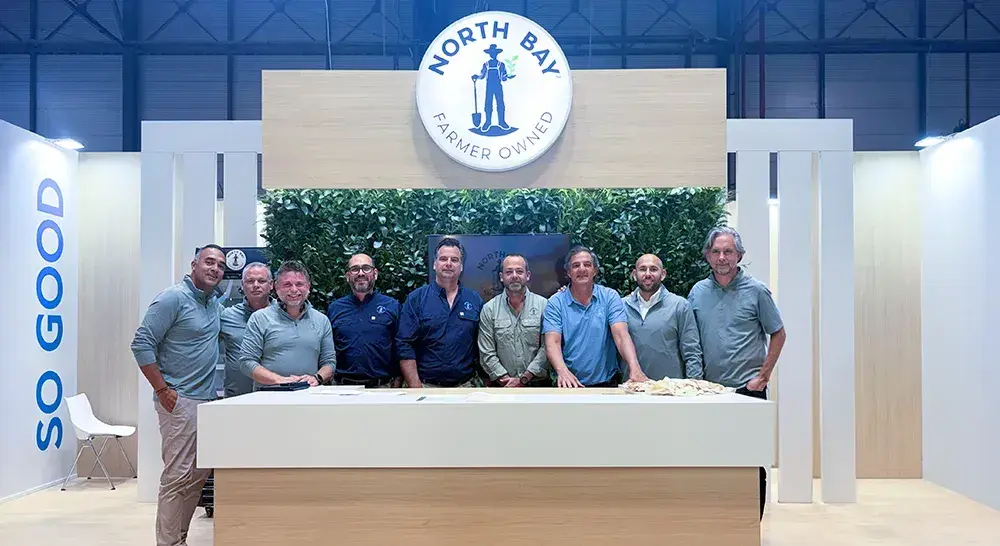
North Bay Produce is a global cooperative of growers with a presence in 19 countries. Founded in Traverse City, Michigan, the company markets and distributes fresh fruits and vegetables worldwide, offering a wide range of products year-round, including premium berries. With an industry-leading focus on variety development, North Bay brings together growers from around the globe to provide its customers with consistently high-quality produce every season.
North Bay Produce executives explain why a new variety is no longer evaluated solely on yield: it must also maintain quality and condition until it reaches the market and respond to what the consumer is looking for.
Produce more, travel better, and ensure repeat business. Today, these three demands converge in varietal selection. Yield remains crucial, but it's no longer viewed in isolation: the fruit must also arrive in good condition and meet consumer expectations.
Rising costs are forcing a reassessment of the minimum yield a field needs to produce to sustain the business, but productivity alone doesn't guarantee profitability. What kind of fruit can be marketed, how it performs post-harvest, and its condition upon arrival are also crucial.
Blueberries Consulting addressed these changes with executives from North Bay Produce during Fruit Attraction 2026, from the areas of sourcing, sales, and origin management in various markets. Their perspectives encompass the same supply chain, from productivity and fruit attributes to shelf life, commercial destinations, and the consumer experience.

Profitability raises the production demands
“More and more, higher production is needed. Why? Because costs are higher,” says Ezequiel Giménez, Vice President of Procurement for Latin America. Based on his experience, he explains that yields that were previously around 20 tons per hectare can now reach 22, 25, or even 30 tons to break even.
Giménez presents these ranges as references from his experience, not as a general threshold for the industry.
Yield, however, is only one part of the commercial outcome. Ruy Barbosa, Country Manager of North Bay Produce in Chile and president of the Chilean Fruit Blueberry Committee, emphasizes the fruit's attributes: "A productive plant is useless if it doesn't have the characteristics of size, firmness, and also flavor."
The relationship between productivity, quality, and return is particularly important in North Bay, where the producers own the cooperative. Giménez explains that the company's commercial function is to sell the fruit effectively and deliver good results for its producers, while also meeting the needs of retailers and supermarkets.
But producing more is not enough if the fruit loses quality or does not meet consumer expectations.
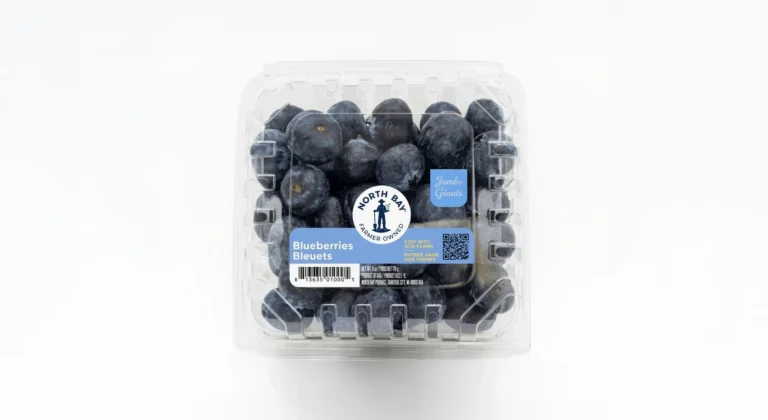

A variety must produce, travel, and convince.
This balance between field and market is what Freddy Hoflack, Country Manager for Mexico and Guatemala, summarizes in three key players: producer, distributor, and end consumer. From a production perspective, he emphasizes the need for materials with high productivity and improved field performance, noting the requirement for “more robust, more resilient varieties.”
In the United States and Canada, two mature markets, the room for continued growth is increasingly tied to the consumer experience. Sarah Quakenbush, sales manager for both markets, cites appearance, bloom, texture, and the overall eating experience as key attributes influencing this decision.
Giménez points out that, in North Bay's experience, the improvement of the fruit associated with the new genetics has been accompanied by higher sales and consumption.
This shift in preferences is also observed in Mexico. Hoflack maintains that the demand for premium varieties has gained strength and that, within this search, jumbo caliber has had a greater presence over the last two years.
But quality isn't just about size. From Peru, César Elías, Country Manager of North Bay Produce, focuses on shelf life.
“The attribute that is least talked about, but ends up being the most important, is lifespan,” he maintains. And he adds: “A blueberry It may be large, have bloom and good flavor, but if it doesn't have shelf life, it won't reach the markets.”
The condition upon arrival doesn't depend solely on the variety. Barbosa adds that field management, a rigorous and timely harvest, the cold chain, and logistical execution all play a role, including the timing and conditions in which the fruit arrives at its destination.
For Elias, the final result also hinges on repeat purchases. The executive links the fruit's improvement to the changes he observes in consumer preferences in markets like Mexico, Peru, and Chile.
More varietal alternatives, more demands
The varietal choice also intersects with the destinations that each origin can serve and with the condition that the fruit must withstand during the journey.
For Mexico, the United States remains the natural market due to its proximity. Hoflack notes that North Bay has also secured direct shipments to Canada and mentions opportunities in Asia, with Japan being one of the markets he considers promising.
That doesn't mean there's a destination that can consistently guarantee better results. "Markets fluctuate in terms of results and consumption, and every year is different," Giménez points out.
The supply doesn't depend solely on the market either. In Peru and Mexico, the climate appears as another variable that influences the productive and varietal evaluation.
Elias describes the current Peruvian growing season as particularly challenging in terms of productivity and quality, in addition to increased pest pressure. In his view, these conditions necessitate closer monitoring of crop response and a shift from reactive management practices to more preventative measures.
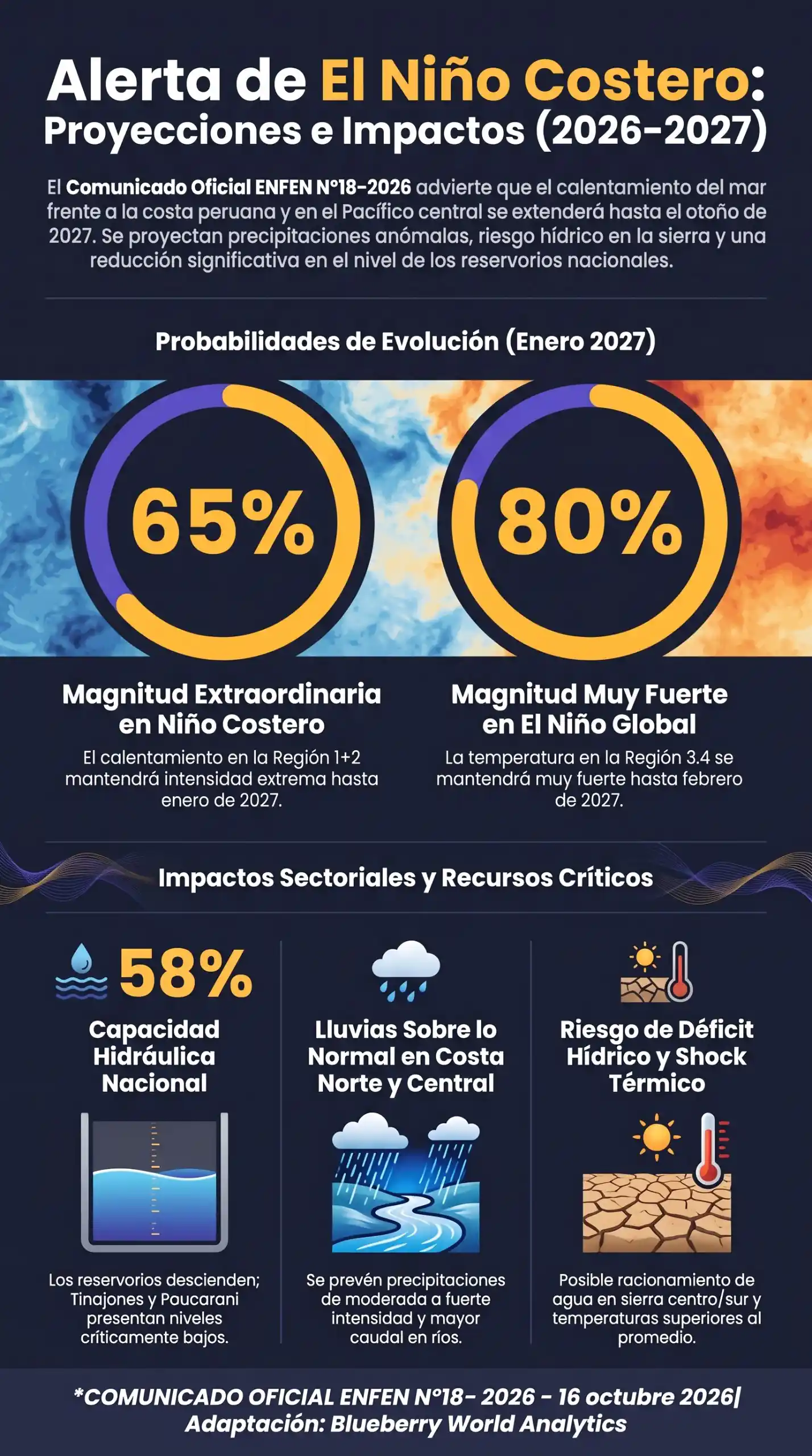
In Mexico, Hoflack views 2027 with caution. He acknowledges that uncertainty still exists regarding the evolution of El Niño and believes it is necessary to continue evaluating materials for their performance and adaptation to the conditions that the next season may present.
Varietal renewal, therefore, will continue to advance from different production realities. By 2027, Elías expects Peru to continue increasing production and varietal replacement, along with further development of still less mature consumer markets. In Mexico, Hoflack anticipates that the supply of new materials will continue to expand.
For Giménez, the recommendation to the producer is to continue betting on the blueberrybut with varieties capable of delivering production, efficiency, flavor and firmness.
“And genetics is proving that this is the way forward,” he concludes.
Read also:
- North Bay Produce expands its blueberry base in Morocco and calls for collective export visibility
- Shanghai Junli and North Bay Produce join forces for the Peruvian blueberry season
- North Bay returns a record $16,7 million to its producer-owners
- Morocco Data Club: data to anticipate the blueberry market
- The quality of berries in Morocco is also defined after the harvest
- From production to packing: the Tangier trade fair area brings together solutions for berries
next article
ARTÍCULOS RELACIONADOS