Shanghai and Ningbo ports face delays of up to two weeks: How does this affect Peruvian trade?
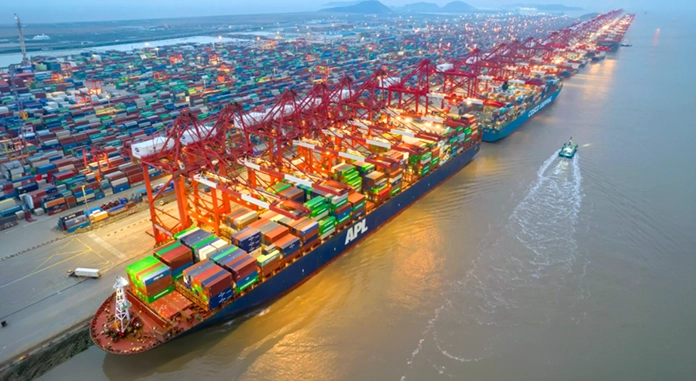
Congestion at the Chinese ports of Shanghai and Ningbo is forcing ships to wait up to two weeks to dock.
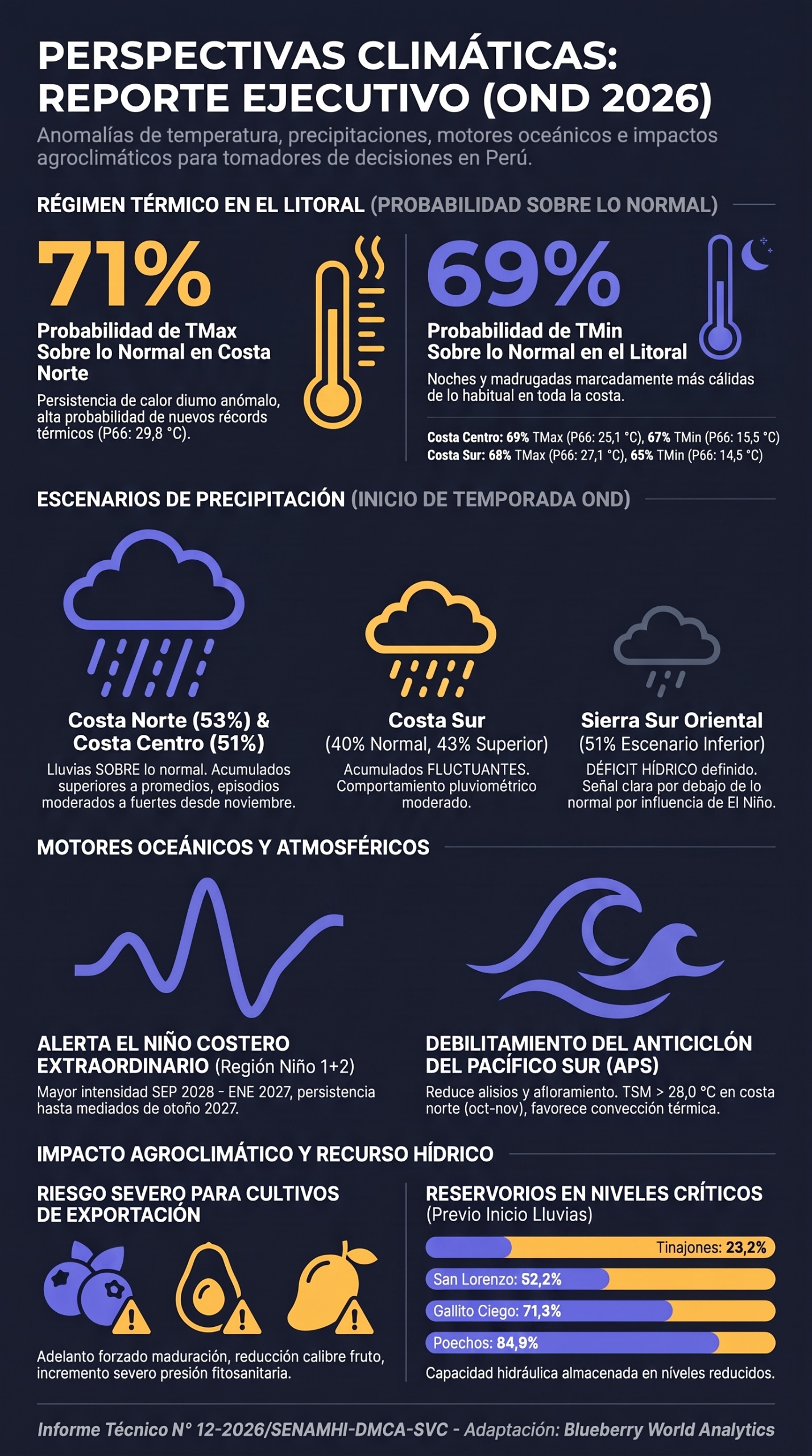
The Institute for Research and Development of Foreign Trade of the Lima Chamber of Commerce (Idexcam, of the CCL) warned that this alters maritime routes and complicates matters for Peruvian companies that operate with China and the region, especially those that move perishable products.
According to international reports, the delays originated after a succession of weather phenomena and create a complicated scenario for maritime transport in October.

Idexcam specified that the delays can be transferred to the next stops of each service and significantly extend the expected arrival times.
Punctuality is also a problem. Only 21% of maritime services adhere to their schedules in Shanghai and 34% in Ningbo.
In addition, spot rates (freight prices agreed upon for immediate shipments, outside of long-term contracts) show different behavior depending on the route.
China has a significant influence on Peruvian foreign trade
The institute described the situation as extremely worrying due to the size of this market.
In 2025, Peruvian exports to China reached US$33,455 million, while imports from that country totaled US$17,847 million.

Avocados, blueberries and grapes, the most exposed
The agricultural export sector requires the most attention. Avocados, blueberries, and grapes cannot withstand prolonged waits in port due to their perishable nature.
Between January and July of this year, Peruvian non-traditional agricultural exports to China totaled US$185 million.
Oscar Quiñones, head of Idexcam, explained that a longer transit time or a prolonged delay in unloading reduces the marketing period of these products and can affect their condition upon arrival at the destination.
He clarified, however, that the impact will depend on the product, the route, the shipping conditions and the actual duration of the delays.
What should companies monitor?
Idexcam recommended that Peruvian operators constantly monitor departure and arrival dates, itinerary changes, space and equipment availability, effective transit times, and freight rates on their routes.
For importers, the lower reliability of services makes it difficult to plan inventories, deliveries, and logistics operations.
Exporters of perishable goods, for their part, must anticipate possible delays and assess their effect on the cold chain and the available commercial window.
The institute warned that spot rates reported from Asia to the United States and Europe cannot be directly applied to Peru-Asia operations, because costs depend on the conditions of each route.
Quiñones noted that in the coming weeks it will be crucial to monitor congestion at major Asian ports, changes in itineraries and stopovers, actual transit times, and space availability.
Previous article
Fall Creek tests new blueberry genetic selections in southern Africanext article
ARTÍCULOS RELACIONADOS