Chile: Camport launches proposals to modernize the port system and sustain export competitiveness
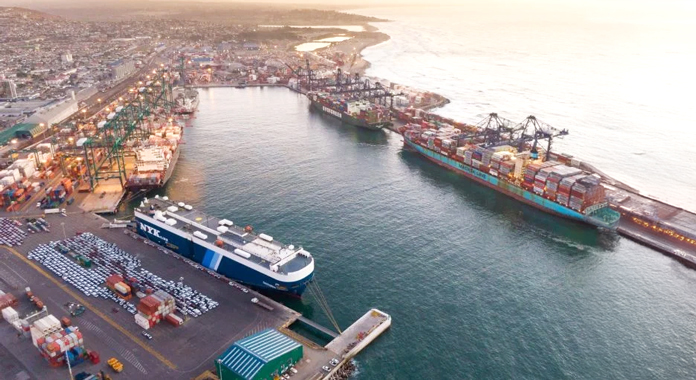
The Chilean Maritime and Port Chamber (Camport) released a document outlining 99 proposals aimed at addressing the challenges facing the port system and the national maritime sector, with the goal of strengthening the industry and its capacity to respond to a more demanding global context. The 143-page document is organized into seven chapters and seeks to promote measures considered essential for the sector's development.

The guide is presented against a backdrop of geopolitical shifts, increased demands for sustainability, and technological transformation—factors that are putting pressure on the logistics chain and, by extension, on the competitiveness of foreign trade. Camport argues that, despite significant progress in logistics and port matters, Chile faces challenges whose resolution will be crucial to improving the system's efficiency.
From the perspective of an exporting country, the package of initiatives aims to unlock structural issues such as institutional coordination, long-term planning and the availability of infrastructure, critical elements for logistics-intensive industries such as the agricultural and fruit sector, where operational continuity and transit times can define arrival condition and final value.

Along those lines, Camport indicates that the proposals were built from a diagnosis and are organized in areas such as institutional framework, concessions, territorial planning, operational efficiency, connectivity, labor regulations and security.
El Camport president, Daniel FernándezHe framed the work as a strategic update for the industry, given that the last document of this kind had been produced seven years prior. Furthermore, he emphasized that the new concession cycle opens a window to propose improvements, generate investment incentives, and reduce uncertainty regarding future bidding processes.
In the chapter on concessions, the document emphasizes the urgent need to move towards a binding National Port Policy and strengthen the State's coordinating role in port logistics planning to align investment priorities and optimize road and rail connectivity. It also proposes promoting a "second wave" of concessions focused on efficiency and collaboration, incorporating criteria that foster innovation, energy transition, and digitalization.
Previous article
Peruvian blueberry exports exceed US$2.500 billionARTÍCULOS RELACIONADOS