Chilean blueberries start the season with high prices in the US due to lower shipments from Peru
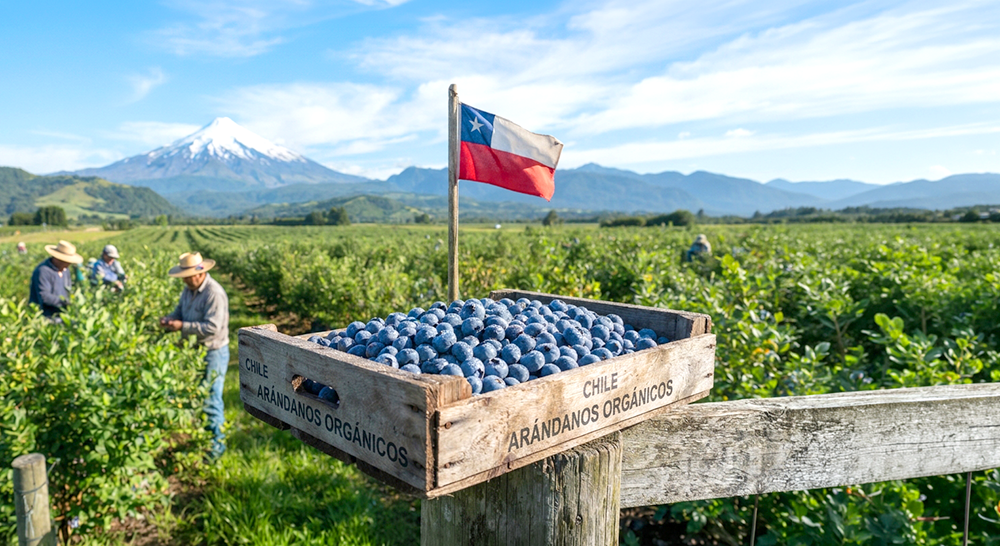
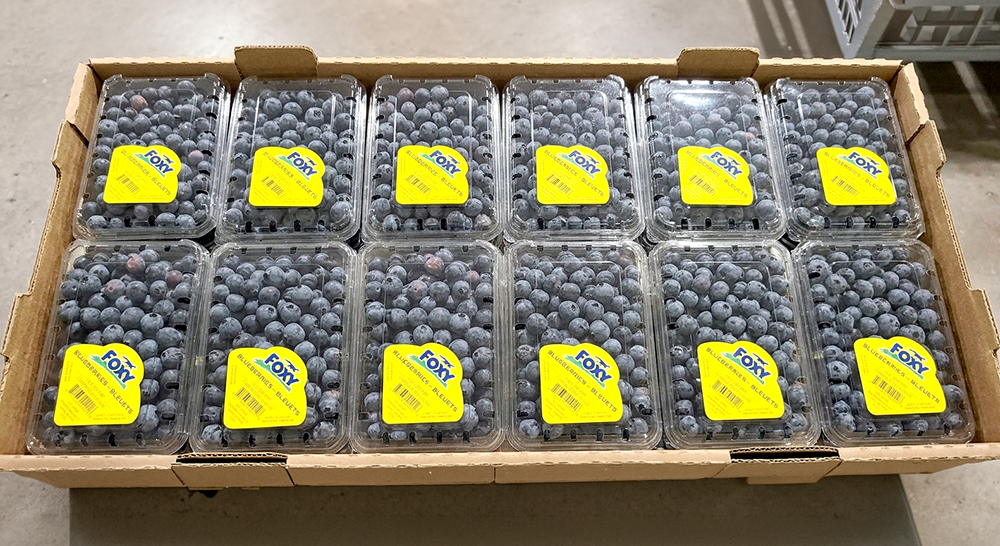
Chile begins its harvest of blueberries With a particularly favorable US market, where prices exceed US$35–40 per box, according to Nicolás Yavar, an executive at UPAC Fruit. “Last year it was much lower, and that’s because Peru has been experiencing a significant downturn,” he explains.
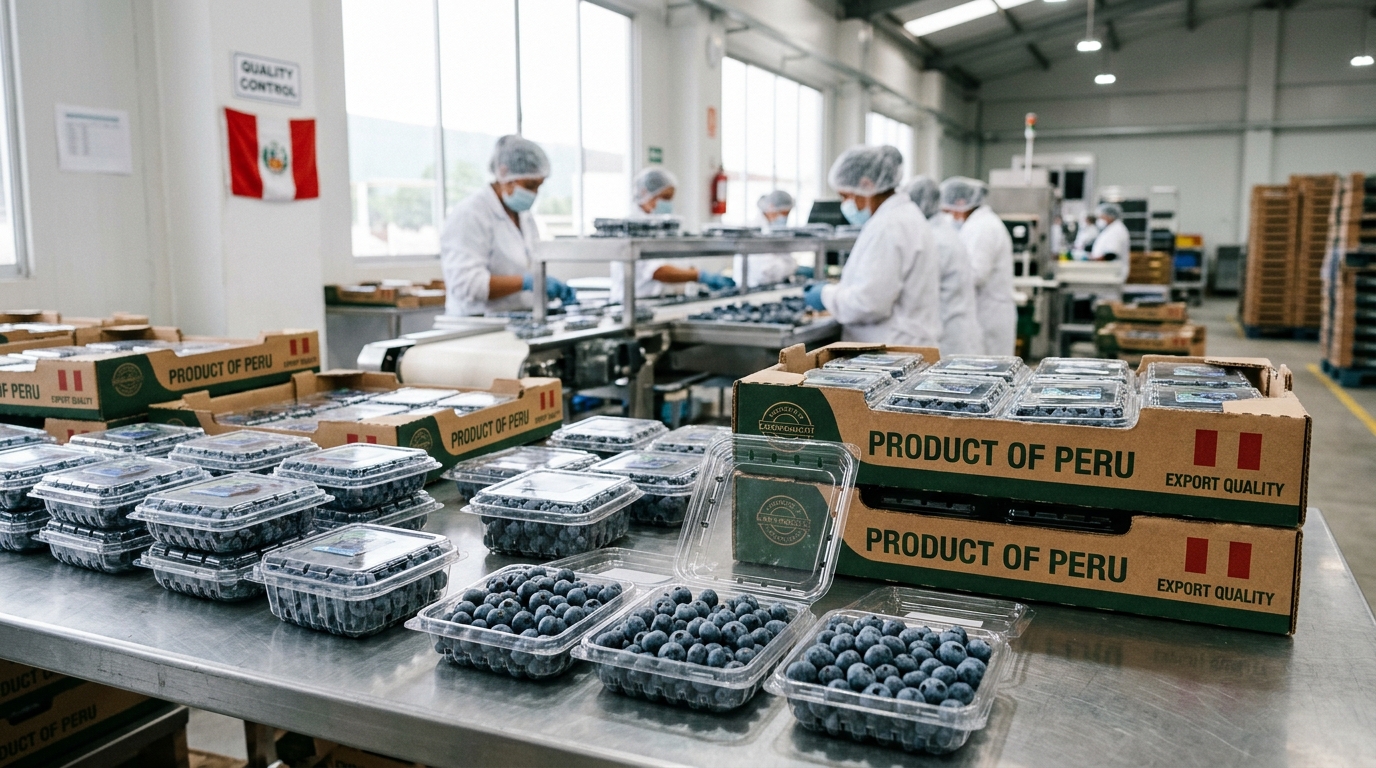
According to Yavar, Peru is currently shipping around 1,6 million boxes of blueberries per week to the United States, compared to approximately 2,5 million boxes per week during the same period last year.
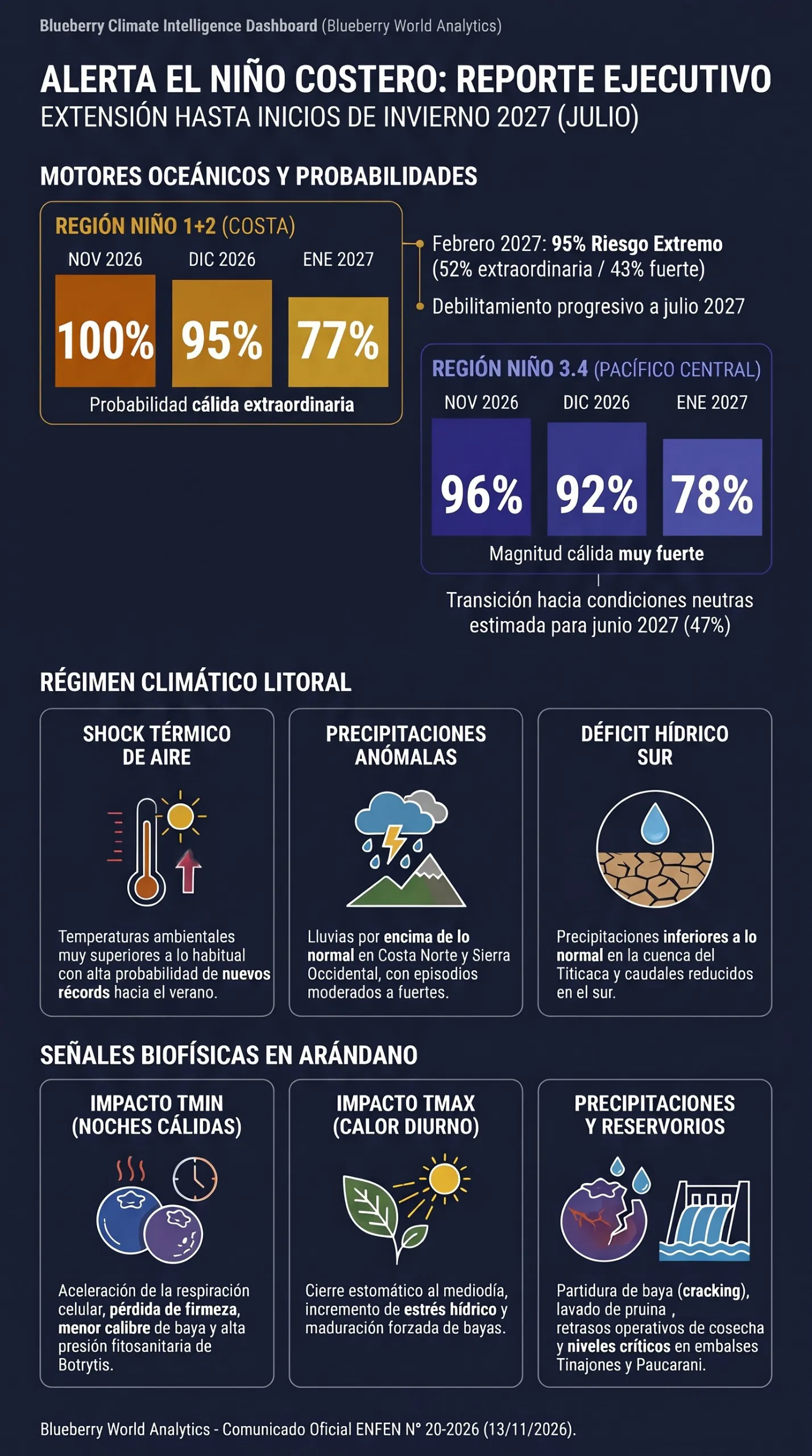
The executive links this lower availability to the effects of El Niño and to the varietal reconversion process that the Peruvian industry is going through.
This lower Peruvian presence coincides with the start of the Chilean harvest and with prices higher than those observed during the previous season.
The Asian window could narrow
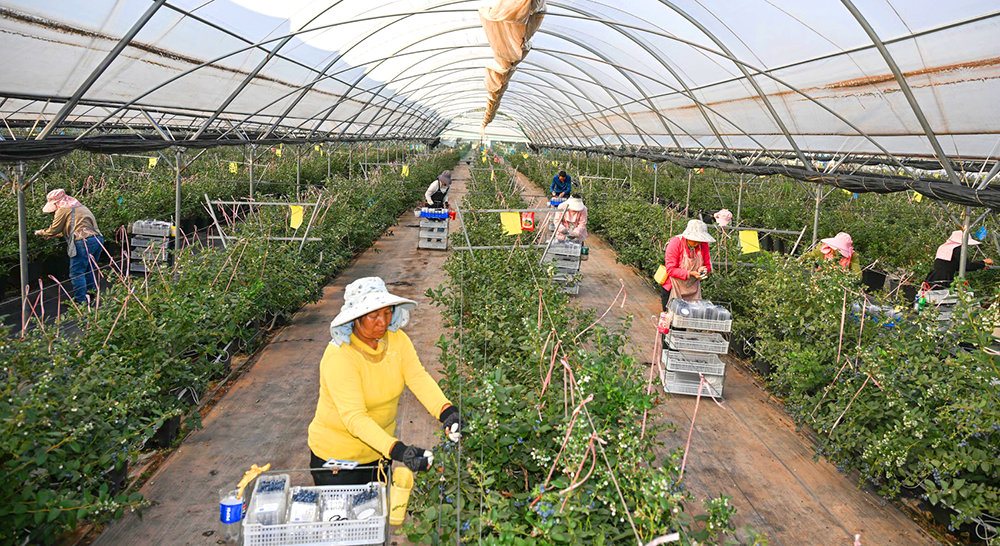
In the medium term, Yavar anticipates that the Asian window for the blueberry Chilean fruit could become more competitive. In his opinion, this scenario would be linked to criticisms about the quality of some Peruvian fruit and the increase in Chinese production. blueberries under a greenhouse.
The evolution of these factors could increase competition in a market where quality and arrival condition are becoming increasingly important.
© UPAC Fruit

Uva starts with good expectations
The favorable scenario also extends to table grapes, although for different reasons.
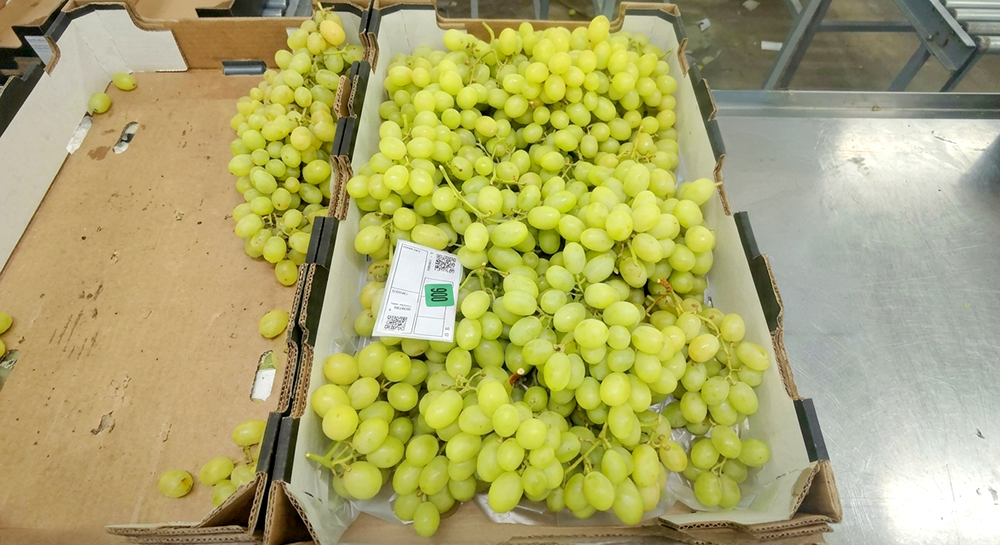
“We believe it’s going to be a good season,” Yavar says.
California is finishing its campaign earlier than usual, while Peru is facing heavy rains in the north. The latest Provid report puts the Peruvian volume at around 66 million boxes, compared to the nearly 80 million initially projected, representing a reduction of approximately 25%.
In this context, Chilean fruit would begin to gain greater presence towards the end of November and the beginning of December.
In the United States, the market is also showing favorable conditions. The cost of ground transportation from California to the East Coast has increased from approximately US$4 to between US$6 and US$8 per box, while some supermarkets are already ordering imported fruit.
Yavar cautions, however, that U.S. inventory figures should be interpreted with care, given that California is about two weeks ahead in its harvest. By a comparable method, stocks would be approximately 11 million cases, compared to 14 million in the previous season.
© UPAC Fruit

Cherries face a more challenging season
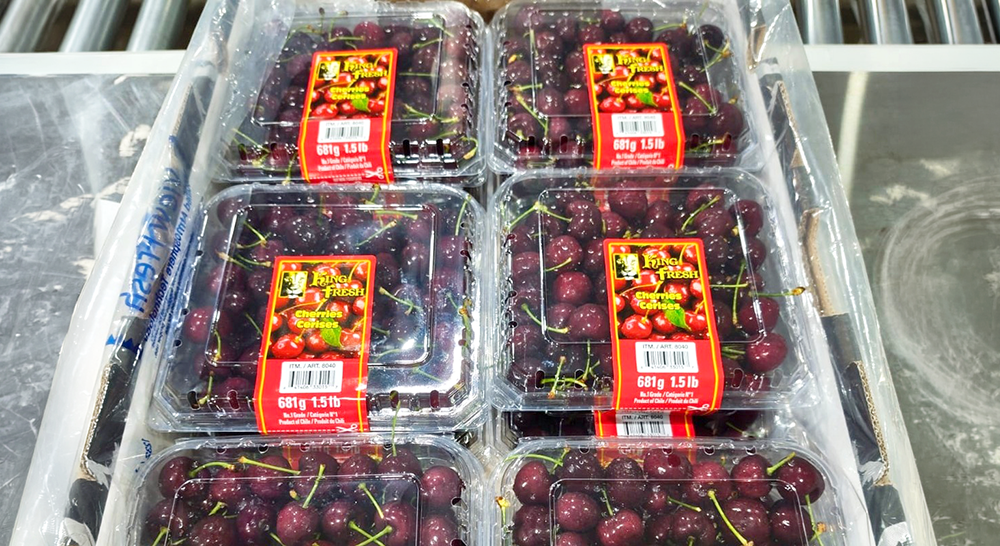
The situation contrasts sharply with cherries, whose season began marked by rain, hail, and a significant downward revision of projections. “It’s a difficult cherry season,” says Yavar.
Initial estimates of 132 million boxes have been reduced to a range of between 92 and 100 million. “There are producers who have lost everything,” he notes, although he acknowledges that there is still no exact count of the losses.
The first fruit from greenhouse crops also presented quality problems. “The fruit ripens earlier, but many are soft and lack sugar,” he explains.
Prices in China initially fell rapidly, but later rebounded with the arrival of firmer fruit.
Packaging rates are also remaining low in some cases. “There are people who are only packaging 60%,” Yavar points out, a situation that increases costs for the producer.
© UPAC Fruit
However, the behavior varies by region and variety, with better results reported in Royal Dawn, Santina and Lapis.
Faced with a Chinese market that penalizes soft fruit, the executive emphasizes the need to prioritize quality.
“This is not the year to send category 2 fruit. There isn’t enough fruit to do that,” he maintains. “If there’s less good-quality fruit, the price will be good.”
While the cherry crop faces a season conditioned by weather and quality, the Chilean blueberry It begins its harvest with a stronger US market and a smaller presence of Peruvian fruit, creating a more favorable commercial scenario at the start of the season.
Read also:
- Blueberries in the United States: Imports fall 16,4% and Peru accounts for 95% of the volume
- Peruvian blueberries: projection lowered to 304 tons and anticipates a 21% drop
- Chilean blueberries: volume would grow 2%, but replacement varieties would increase 39%.
- Ruy Barbosa: the varietal change is progressing, but its effects will still take time
- Peruvian blueberries: the quality that defines their value in international markets
- Chile renews 1.000 hectares of blueberries per year to regain export competitiveness
- Fruit Attraction 2026: Chilean blueberries redefine their competitiveness through genetics, condition, and new markets
Previous article
China: Sichuan begins early blueberry harvest in LiangshanARTÍCULOS RELACIONADOS