After a solid year, Zimbabwean blueberry growers are investing US$140 million to expand production

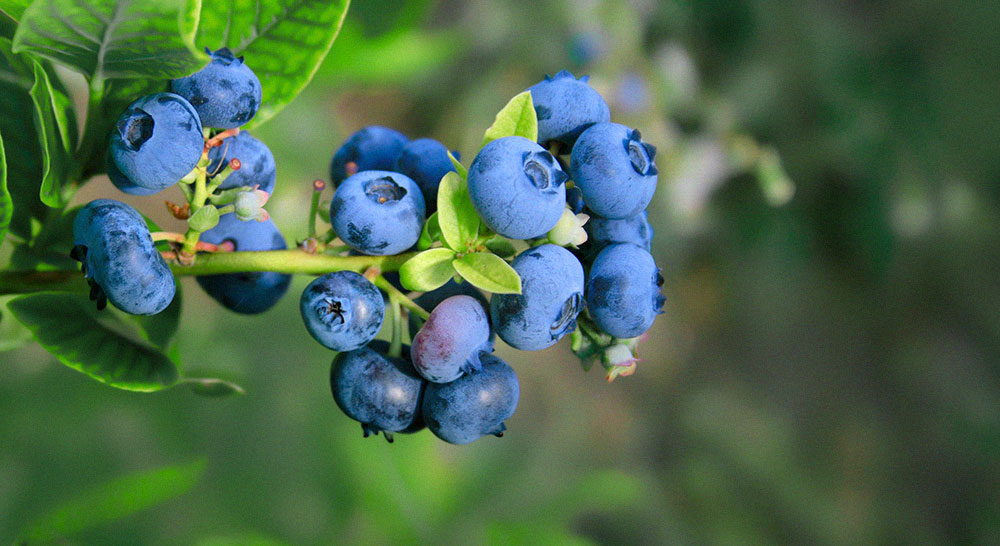
Zimbabwean farmers will invest $140 million to develop 4.000 hectares of blueberries, expanding production of a crop that posted the fastest growth in local horticulture last year.
The Horticulture Development Council (HDC), which represents farmers, has approached the Zimbabwe Investment Development Agency (ZIDA) with a plan to expand production of blueberries, citrus, coffee and flowers.
“To this end, HDC submitted its plans to ZIDA, which detail the proposal to secure an additional 4.000 hectares for blueberry production estimated at US$140 million to develop,” ZIDA says in its quarterly report on investment activity.
For coffee production, the HDC plans to establish 1.000 hectares of coffee in the Eastern Highlands and support 1.300 small and medium coffee producers to produce 2.220 tons per year. This will have a gross value of more than US$11 million annually. The farmers are also looking to increase rose production on another 800 hectares, hoping to take advantage of increased demand from the South African, Russian and Far Eastern markets.

“ZIDA is providing facilitation and assistance with land identification and acquisition, creation of export horticulture special economic zones, creation of specialized export horticulture parks to add value and benefit so that the Council can achieve its stated objective in an “US$1 billion horticulture industry by 2030.”

Zimbabwe expected to harvest 69 percent more blueberries this year, according to a 2022-2023 crop assessment report released by the Ministry of Agriculture in April. This was the highest growth for horticultural crops in the report, followed by pecans (43%) and apples 29%.
Fruit exports were once a key source of export earnings, but production collapsed after land reform disrupted farm operations. Now Zimbabwe is trying to revive the sector. In 2021, the government announced a US$30 million Horticulture Export Revolving Fund financed in part by a US$960 million allocation allocated to the country by the IMF for COVID relief.
Previous article
Peruvian blueberry campaign projects drop in volumenext article
Michoacán, at the forefront in red fruit productionARTÍCULOS RELACIONADOS