El Niño 2026: the test of maturity for the Peruvian blueberry
By: Alejandro Yoshioka
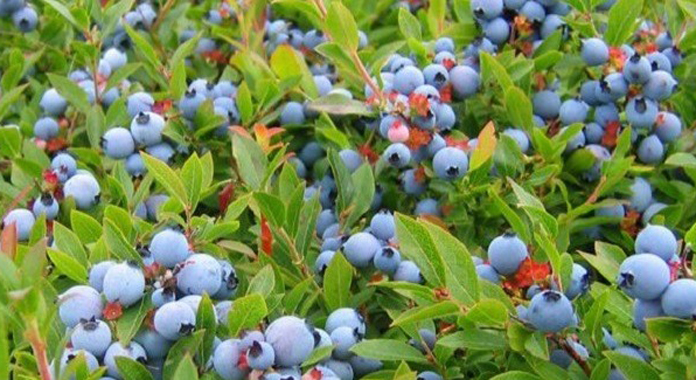
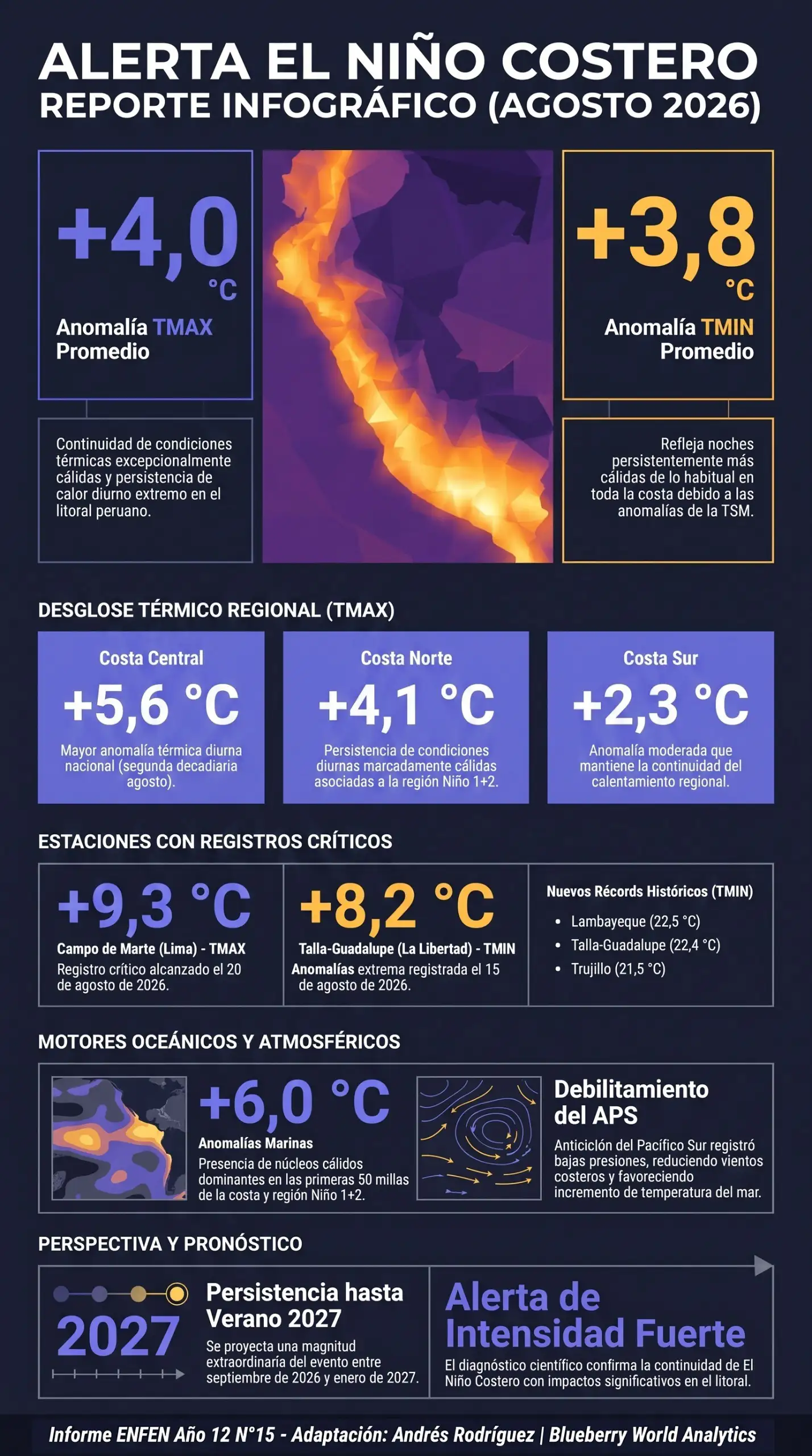
The Peruvian agro-industry of blueberryThe Venezuelan coca industry, now the world's leading exporter, faces a new and highly demanding scenario. After several seasons marked by volatile weather, the 2026-2027 season begins under the threat of El Niño. With persistent Coastal El Niño alerts from the Multisectoral Commission in charge of the National Study of the El Niño Phenomenon (ENFEN) and a NOAA report assigning a 61% probability to the development of a global event, the sector is navigating between commercial caution and increased technical demands.
The scenario is not new, but the winter conditions of 2026 could bring unusually high temperatures along the Peruvian coast. According to agroclimatic risk reports from the National Meteorology and Hydrology Service of Peru (Senamhi), alert levels for export crops remain moderate to high. In this context, blueberries are among the most sensitive crops, given that their physiology depends largely on the accumulation of chilling hours for proper flowering and bud break.
Caution in the market: Proarándanos's turnaround
Unlike previous seasons, when agricultural associations typically released annual projections several months in advance, current atmospheric volatility has led to a change in this practice. The Peruvian Blueberry Producers and Exporters Association (Proarándanos) has adopted a more cautious approach and, instead of providing a comprehensive forecast for the entire 2026-2027 season, has decided to work with short-term projections.

Under that approach, the trade association estimates that Peru will export approximately 56 million kilos of blueberries Fresh produce shipments will continue until week 33, that is, until mid-August. This preliminary figure represents an increase of nearly 40% compared to the start of the previous season, which was heavily impacted by the lingering effects of previous weather events. However, shipments will continue to be monitored on a weekly basis. This decision aims to reduce exposure to uncertain scenarios and preserve the country's ability to meet its obligations to international markets.
Varietal replacement as a technical response
Despite climate alerts, the current context is not the same as that of the 2023-2024 period. During that time, the heat wave surprised extensive agricultural valleys dominated by the Ventura variety, which, under warm conditions, tended to slow its flowering and prioritize vegetative growth. This episode accelerated a varietal conversion process that now appears as one of the sector's main responses to the new scenario.
In regions such as La Libertad, Lambayeque, and Olmos, as well as in Ica, many older plantations have been replaced with varieties that require less chilling. These new varieties, known as zero chill or low chilling hour varieties, show a better response to heat stress and offer a more flexible production base for seasons marked by warm winters.
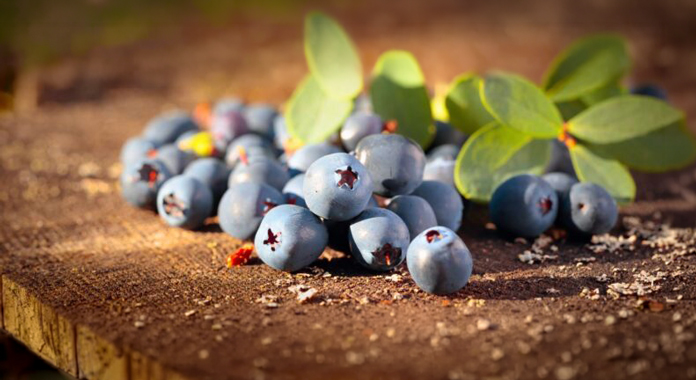

Technical advisors in the sector observe that, in the face of the warmer days of the current winter, these new varieties are showing a greater capacity to maintain productivity and fruit firmness. In this sense, varietal replacement is emerging as a key tool for adapting to climate change.
Health and management: the other pressure of the climate
The new genetics, however, do not solve all the risks on their own. High temperatures during the winter also increase relative humidity in several coastal valleys, creating more favorable conditions for the proliferation of diseases and pests such as powdery mildew, Botrytis, thrips, and mites.
In areas like Olmos and Trujillo, technical fieldwork has intensified. Current management practices require pruning to improve plant ventilation, more precise irrigation control to prevent root problems, and nutritional and biostimulant programs designed to strengthen the crop's physiological response. In addition, logistical contingency plans are in place to ensure fruit shipments and maintain the cold chain in the event of unusual rainfall or disruptions to road infrastructure.

An impact that transcends the field
The uncertainty currently facing the Peruvian productive sector is also impacting international markets. As Peru is the world's leading supplier of blueberriesAny alteration in its production curve affects prices, availability, and planning for major buyers in the United States, Canada, Europe, and China.
In this scenario, the 2026 season could shift its focus back to commercial value rather than pure volume. If temperature anomalies restrict supply toward the last quarter of the year or concentrate shipments into narrower windows, the market could respond with price increases and new temporary opportunities for other origins in the region, such as Chile or Mexico. Even so, Peru will seek to maintain the regularity of its shipments thanks to its internal geographic diversification and the breadth of its production base.
A campaign to measure the maturity of the sector
The 2026-2027 season thus appears as an important test for the Peruvian industry of blueberryThe combination of climate risk, technical response, and commercial prudence will show the extent to which the sector has strengthened its adaptive capacity.
More than just any campaign, the 2026-2027 cycle can become a barometer of maturity for an industry that must now not only demonstrate its ability to grow under favorable conditions, but also to sustain its leadership in a scenario of greater climate uncertainty.
Read also:
- The Peruvian blueberry industry faces climate uncertainty as El Niño advances
- El Niño could affect the upcoming Chilean cherry and blueberry season
- El Niño creates uncertainty in the global blueberry market
- The potential development of El Niño in 2026 is once again putting pressure on the blueberry industry in South America.
- The 2026 Coastal El Niño: a test of maturity for the Peruvian blueberry
ARTÍCULOS RELACIONADOS