Mexican berries consolidate a productive, technological and export transformation
The Mexican berry industry has become one of the most dynamic sectors of national agriculture.
With an estimated annual production of between 700 and 1,2 million tons, around 325 jobs per season and more than 90% of its production destined for export, the sector has consolidated a commercial network that today reaches 38 countries.
For Juan José Flores, CEO of Aneberries, this growth cannot be explained solely by volume or exports. In a conversation with the media outlet ExcelsiorIt also addresses employment, professionalization, technology, and new opportunities for rural communities.
“Berries have become a major economic driver,” Flores points out, referring to an industry that has transformed entire production areas and that today combines agricultural tradition, technical knowledge and increasingly higher standards of quality and safety.
Mexican berries and their production map
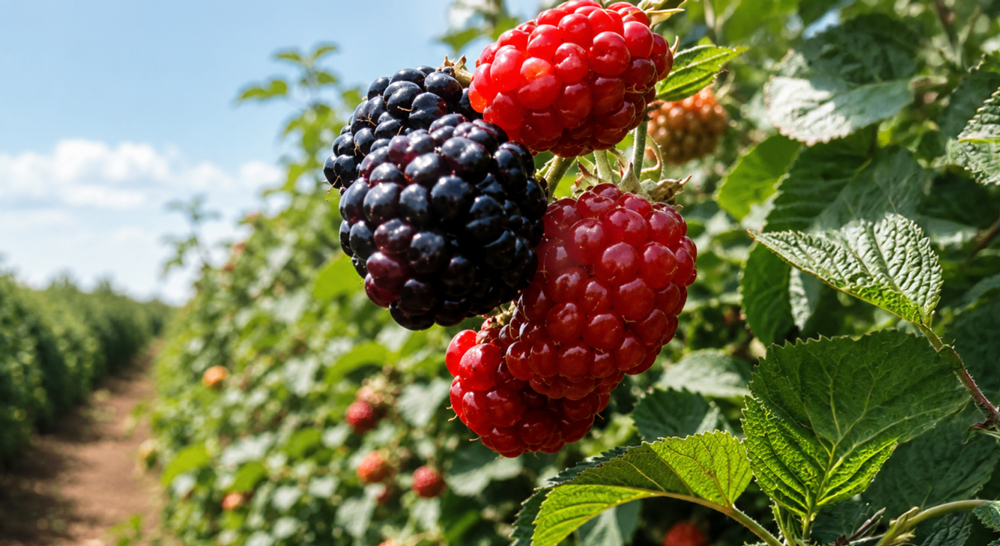
The Mexican industry is based on four main crops: strawberry, blackberry, raspberry and blueberryAlthough they share the same commercial category, each has its own production characteristics, development areas, and logistical challenges.
Strawberries and blackberries represent the most traditional foundation of this industry, with a strong presence in states like Michoacán and Guanajuato. Blackberry cultivation has also positioned Mexico among the world's leading exporters.
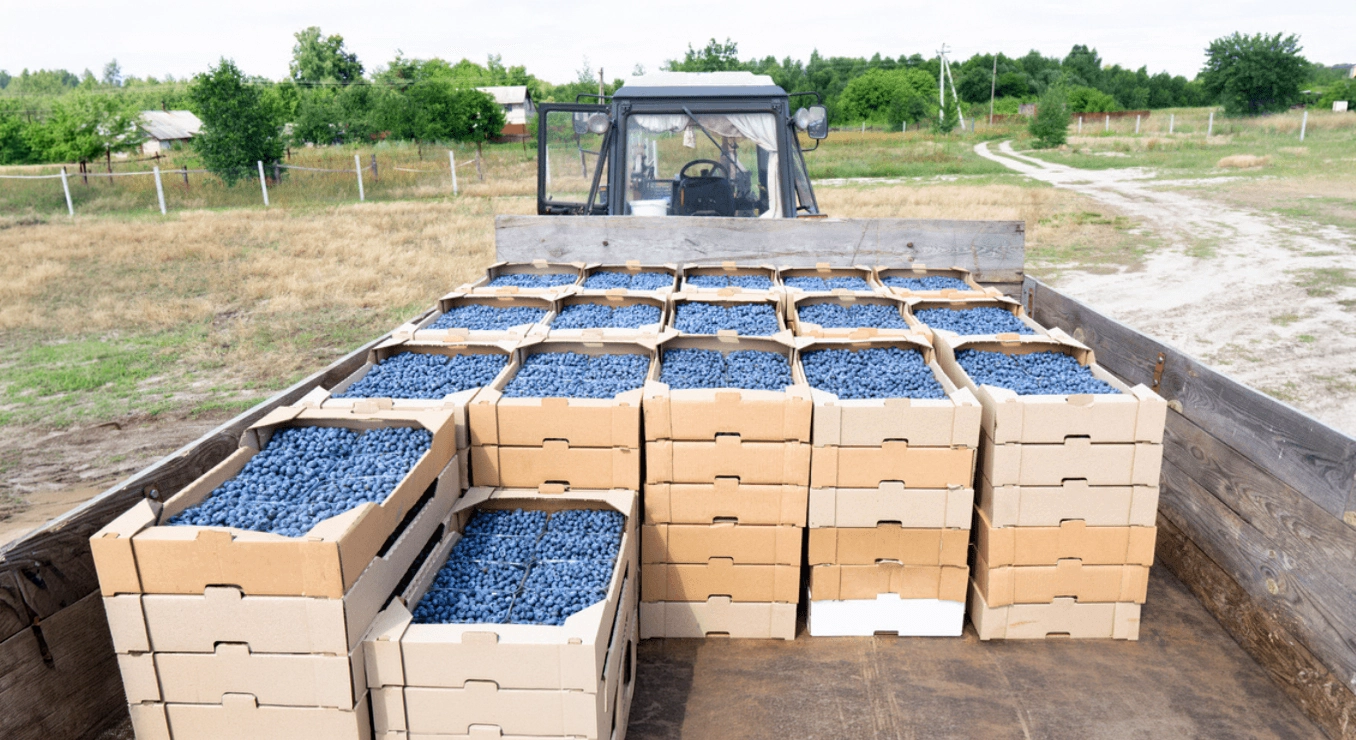
The raspberry and the blueberryIn contrast, they express a more recent stage of expansion, marked by varietal development, international demand, and the consolidation of Jalisco as a key region. blueberryThe youngest of the four berries, has grown driven by new varieties and sustained interest from foreign markets.
This geography is complemented by areas such as Baja California and other states that have strengthened Mexico's presence in the global fresh fruit market.

Fresh raspberries and blueberries are part of Mexico's berry production, an agricultural industry with sustained growth in exports and consumption. Illustration / DALL-E © 2025 Image © excelsior.com.mx

Technology and professionalization of the field
Part of the growth is explained by advances in genetics and the ability to adapt crops historically associated with cold climates to warmer regions of Mexico. Flores points out that varietal development has made it possible to produce berries under conditions that previously seemed less favorable, expanding the country's production possibilities.
Technological advancements have also changed the way production takes place. Today, the industry combines hydroponics, substrate-based production, data analysis, and artificial intelligence to make better decisions regarding irrigation, pest control, and production management.
This progress has led the sector to employ more technicians, engineers, and specialists. However, manual harvesting remains an essential component: each fruit must be picked with precision, care, and speed to preserve its firmness, appearance, flavor, and safety.
Quality and safety to compete abroad
The international expansion of Mexican berries has raised industry standards. For Flores, quality is no longer understood solely as visually appealing fruit. It also encompasses food safety, sustainability, responsible labor practices, and consumer care.
To maintain this quality, the industry has strengthened its technical coordination. Producers, associations, universities, research centers, and public agencies have participated in developing strategies for health, certification, sustainability, and genetic improvement.
Along this path, coordination with health institutions such as Senasica has been key to maintaining the confidence of international markets, especially in an export sector that demands increasingly strict standards.

A mix of strawberries, blueberries, raspberries, and blackberries reflects the diversity of berries produced in Mexico for consumption and export. Illustration / DALL-E © 2025 Image – excelsior.com.mx

Demanding markets and international value
The United States remains the primary destination for Mexican berries. However, the sector has also expanded into other markets, including Canada, Japan, Europe, and Asia.
The case of Japan reflects the high standards the industry faces. In that market, attributes such as size, color, texture, sweetness, temperature, presentation, and safety can define the value of the fruit.
For Flores, exporting means understanding the specific needs of each consumer. Mexican berries no longer compete solely on volume, but also on quality, consistency, and the overall consumer experience.
Mexico 2026: A technical conversation for an expanding industry
This pressure for quality, technology, and more demanding markets also explains the value of technical forums that bring the supply chain together. In an increasingly export-oriented and specialized industry, producers, consultants, exporters, researchers, and companies need spaces to share information, anticipate challenges, and review the sector's future direction.
In that line, the XLI International Blueberries Seminar Mexico 2026, which will be held on the days May 27 and 28 in Guadalajara, is part of a series of international seminars that Blueberries Consulting It has been developing for over a decade. By 2026, The global agenda includes meetings in Peru, Chile, Mexico, Morocco and China, as well as activities in Ica and Trujillo., strengthening the technical and commercial exchange between different producing origins.
The event will be sponsored by Aneberries and will feature representatives from the association participating at key moments in the program. Juan José Flores, director of Aneberries Mexico, will be present at the opening ceremony, while Miguel Ángel Curiel, president of Aneberries and vice president and general manager of Driscoll's Mexico, will participate in the panel “Mexico vs. competitors—who will capture value in the next stage of the blueberry?”.
Aneberries' participation strengthens the connection between Mexican production realities and a technical agenda focused on current challenges in the sector. blueberry: market, genetics, nutritional management, pollination, salinity, plant stress, firmness and fruit quality.

Juan José Flores, director of Aneberries Mexico, and Miguel Ángel Curiel, president of Aneberries and vice president and general manager of Driscoll's Mexico, will participate, among others, as speakers at the XLI International Blueberries Seminar Mexico 2026 © Blueberries Consulting
An industry that transforms territories
The future of Mexican berries appears to be moving in two complementary directions: greater technological advancement in agriculture and a greater impact on rural communities. This combination of innovation, employment, and international reach explains why the sector has become one of the most important industries in Mexican agriculture.
In this evolution, Mexican berries express a way of producing with more knowledge, more technology and greater connection with global markets, without losing their direct impact on rural employment and the communities that support this industry.
Read also:
Market, genetics and quality will set the agenda for Mexican blueberries at Blueberries Mexico 2026
Water and agricultural efficiency: the challenge that also affects Mexican blueberries
Varietal replacement, hydroponics and management: the keys to the new Mexican blueberry
ARTÍCULOS RELACIONADOS