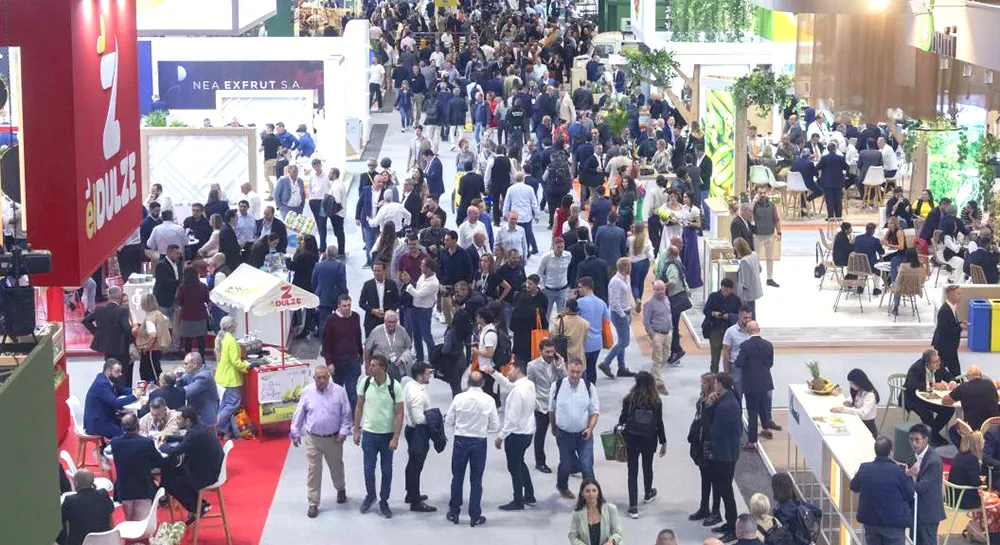
Gabriel Amaro (AGAP) at Fruit Attraction 2026: “Year after year there is greater competition in the blueberry sector”
By: Natalia Rubio Iversen
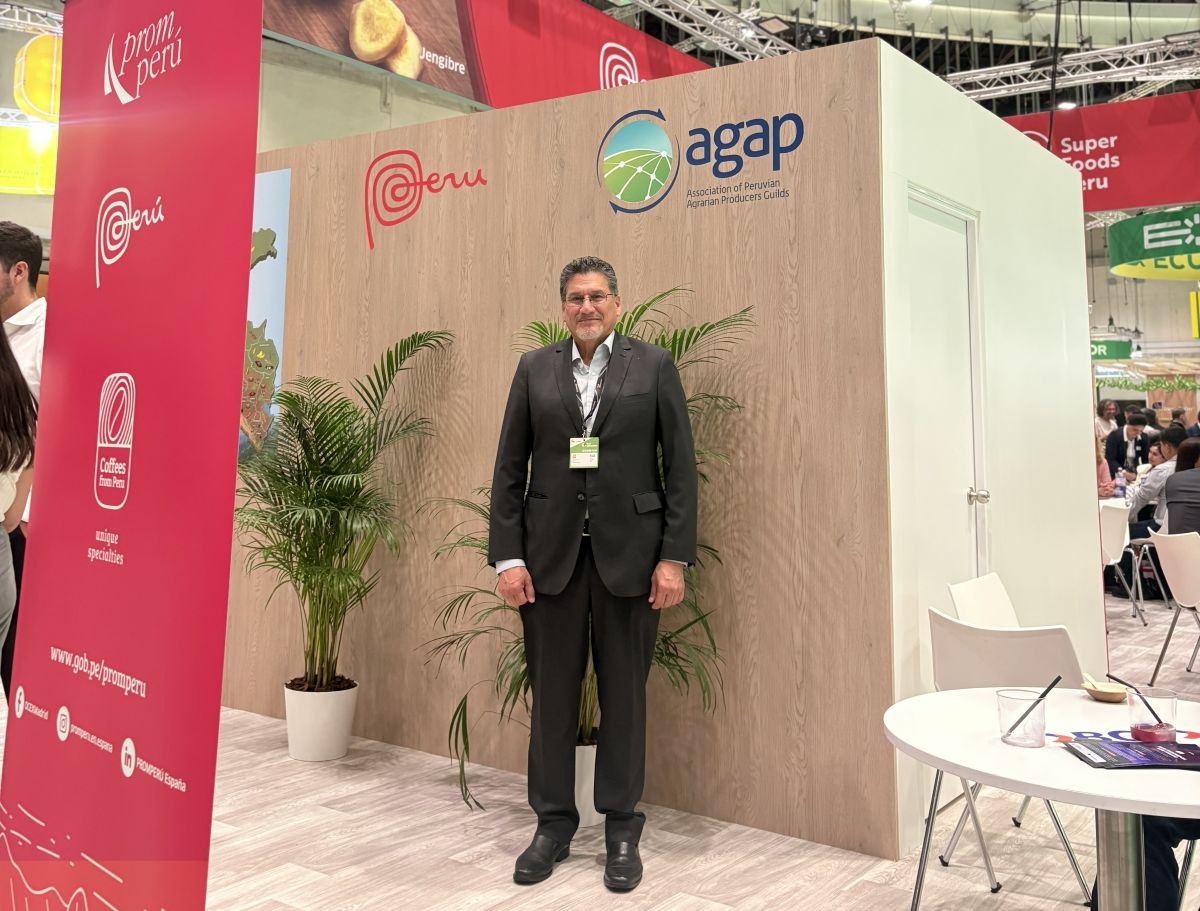
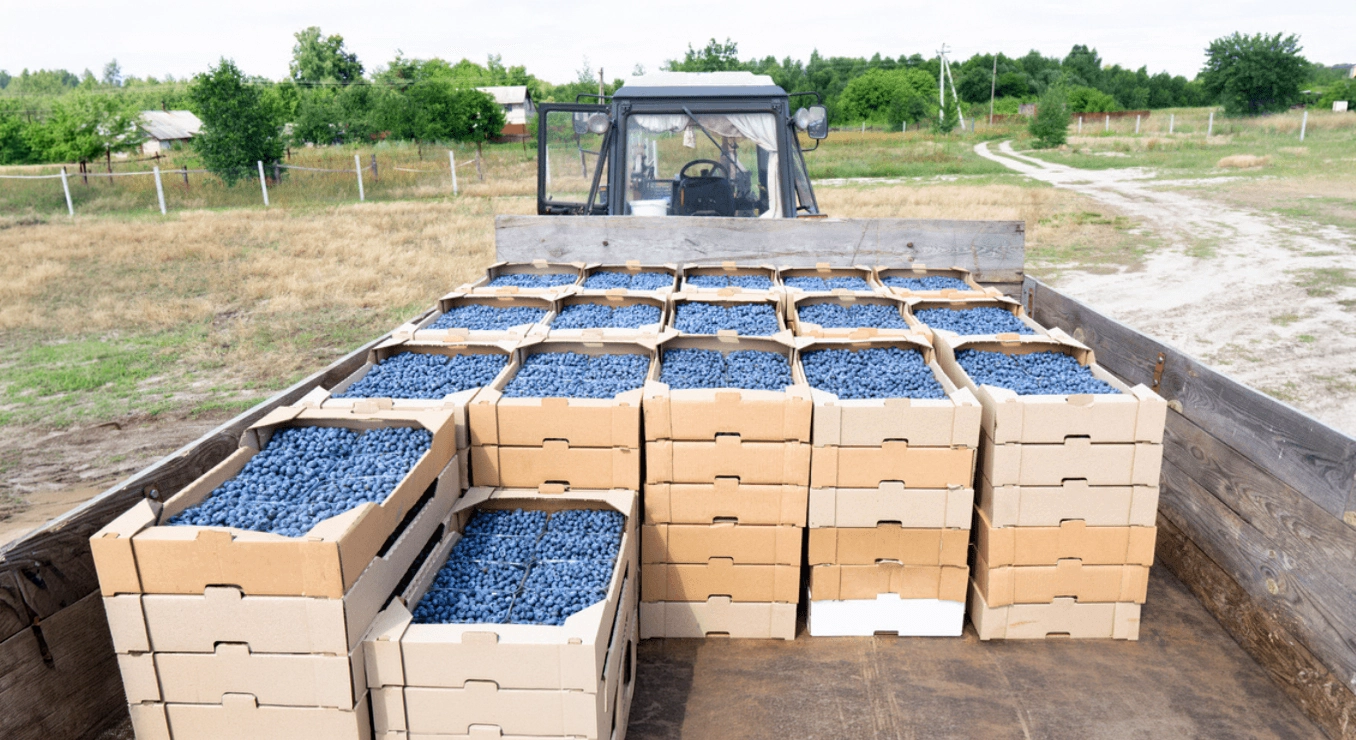
Peruvian blueberries compete in a market where both consumption and global supply are growing. New players are expanding their production, and buyers are raising their demands. For Peru, the discussion is no longer just about how much to produce, but also about how to differentiate its offering and where it can find better commercial opportunities.
This is the change that Gabriel Amaro, president of the Association of Agricultural Producers' Guilds of Peru (AGAP), has observed since Fruit Attraction 2026. In a conversation with Blueberries Consulting, he addressed how increased competition is leading producers to seek better margins, new markets, and attributes that allow them to differentiate Peruvian fruit.

More consumption, more competition
“Year after year there is more competition,” Amaro warns. Consumption is increasing and blueberries are gaining popularity among consumers, but at the same time, the global supply is also growing.
The pressure doesn't come solely from other South American countries. Amaro identifies China as one of the players that has significantly expanded its production area, adding competition to the global blueberry market.
This scenario changes the question for producers: it's no longer just about how much to produce, but about where to place that fruit and what attributes to use to differentiate it.
Amaro puts it in commercial terms: “Producers are looking for niches where they can have a higher profit margin and differentiate themselves.” This search includes new markets, but also varieties capable of meeting production conditions and commercial demands.
When discussing new varieties, Amaro highlights field productivity, flavor, and crisp texture among the attributes he considers relevant. These are elements that link productive performance and consumer acceptance.
The variety, however, does not by itself explain the final result. Amaro then shifts the discussion towards crop management.

Differentiation begins in the field
According to the president of AGAP, quality isn't defined only after the harvest. "It's a whole process, not just post-harvest or packing," he states.
Pruning, nutrition, plant management, and traceability are all part of the process before the fruit reaches the packing facility. Afterward, post-harvest handling and logistics must maintain that quality and condition until it reaches the market.
Therefore, differentiation does not depend solely on the variety planted. It is also linked to how that genetics is managed in the field and the ability to maintain the fruit within the parameters required by each destination.
And the market doesn't just demand quality. It also demands consistency.
The market demands continuity.
“They want a year-round supply,” Amaro points out, referring to the buyers’ demands.
This demand responds to a market that seeks to have a continuous supply of blueberries with sustained quality, relying on different varieties and origins to meet consumer preferences.
In addition to the commercial window, continuity and consistency also weigh heavily in supply programs.
For Peru, competitively integrating into these programs requires looking at another structural limitation: distance.
Distance forces us to look at logistics.
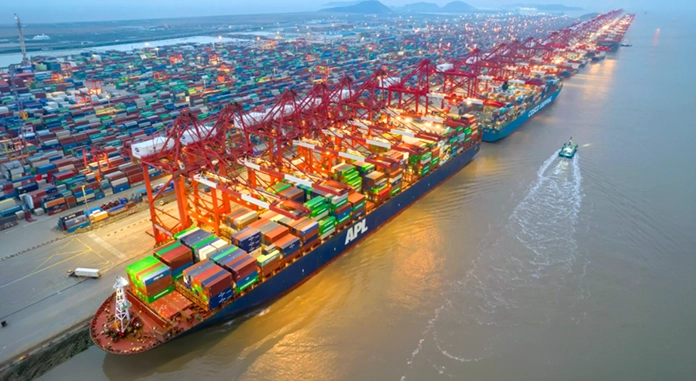
Amaro acknowledges that Peru is far from several of its target markets and that some routes may extend arrival times. In the case of Europe, he mentions transit through the Panama Canal and the restrictions that can affect the smoothness of those connections.
At the same time, the country is gaining new alternatives. Amaro highlights port investments and mentions Chancay as a route that opens more direct connections to Asia.
Chancay doesn't eliminate the logistical challenge, but it expands the options for connecting Peruvian exports to Asia through more direct routes. For a product originating far from several of its markets, adding more efficient options can help maintain the quality of the fruit and broaden trade opportunities.
Amaro's reading points to a new stage: Peru no longer competes only on how much it produces, but on how it differentiates, maintains and places that fruit in the markets.
Blueberries Consulting at Fruit Attraction 2026
Blueberries Consulting will continue its presence at Fruit Attraction 2026, from October 6th to 8th in Madrid, meeting with companies and industry leaders to gain firsthand knowledge of the sector's production, technological, and commercial challenges and to advance the development of its 2027 international agenda. Companies interested in exploring opportunities for participation, positioning, and business development at upcoming events can schedule a meeting with the team during the trade fair.
Contact: contacto@blueberriesconsulting.com
WhatsApp: + 56 9 3469 3871
Read also:
- Blueberries Consulting kicks off its 2027 business agenda at Fruit Attraction
- Fruit Attraction 2026: Chilean blueberries redefine their competitiveness through genetics, condition, and new markets
- Proarándanos lowers its projection to 366 tons and anticipates a plateau in exports.
- Peruvian blueberries: the quality that defines their value in international markets
- Peruvian blueberries: Asia demands an increasingly segmented strategy
- Callao and Chancay reorganize the routes of Peruvian blueberries
Previous article
Fruit Attraction 2026: Chilean blueberries redefine their competitiveness through genetics, condition, and new marketsnext article
ARTÍCULOS RELACIONADOS