Market, genetics and quality in the planning of the Peruvian blueberry
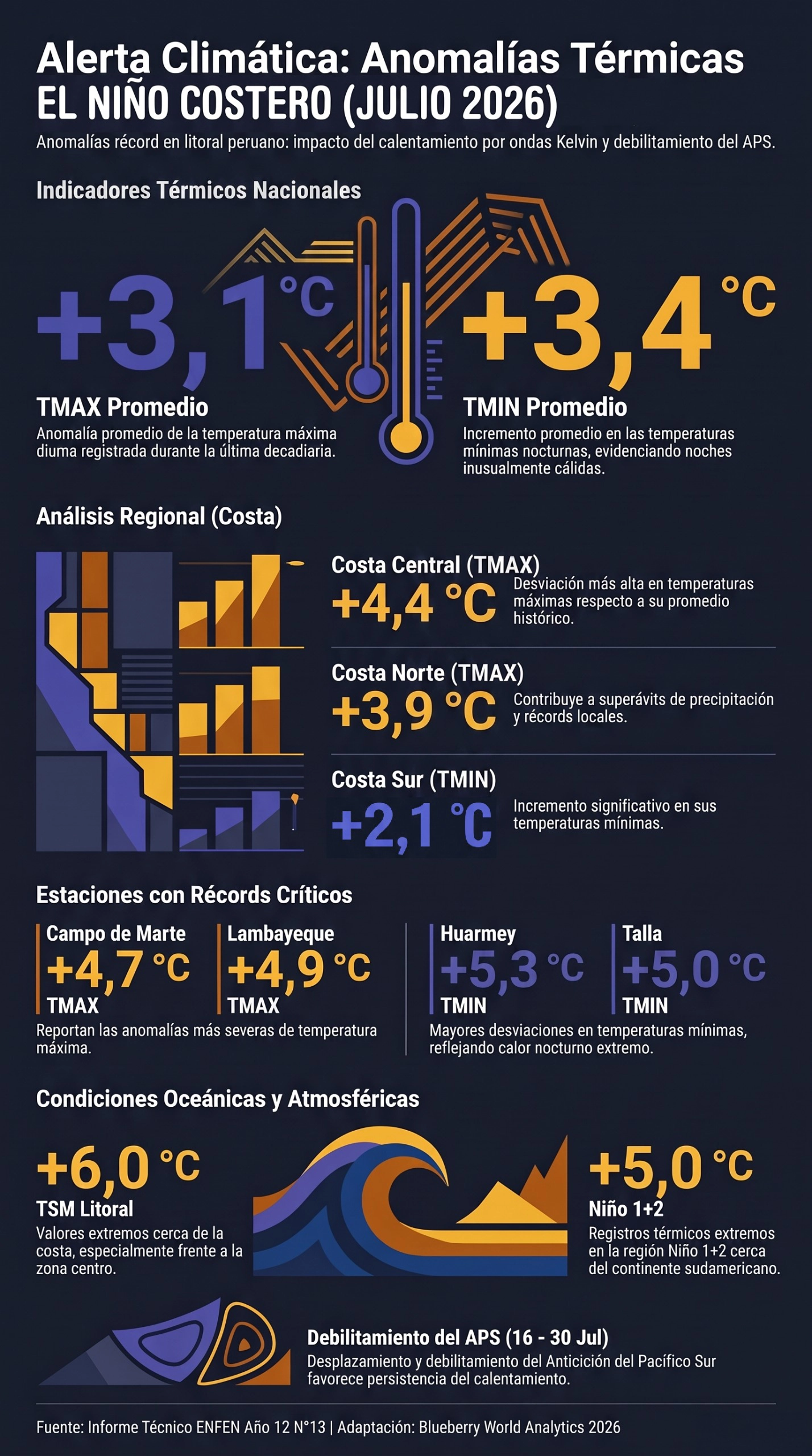
The Peruvian industry of blueberry It is projecting growth again after seasons marked by the climatic impact associated with the El Niño phenomenon. However, this new scenario comes with a key lesson for producers and exporters: competitiveness can no longer be measured solely in volume.
The current challenge demands a more integrated approach to business planning. Market signals, genetic improvement, and fruit quality must now be seen as part of a single strategy to maintain profitability, respond to more demanding markets, and protect the product's condition at its destination.
That conversation will be part of the XLII International Blueberry Seminar Trujillo 2026, which will be held on the days 8 & 9 of JulyOrganized by Blueberries Consulting, the meeting will address the challenges currently facing the Peruvian blueberry industry, connecting market information, production decisions, varietal replacement, and arrival conditions.

Projections from a key area for Peruvian blueberries
Peru remains one of the central players in blueberry global. Maintaining that position requires organizing the supply, planning the campaign with up-to-date information, and understanding how markets, production area, genetics, and export destinations are evolving.
In that framework, louis miguel vegas, general manager of Proarándanos, will address the projections of the Peruvian industry for the 2026–2027 season, analyzing the factors that will mark the new blueberry cycle in Peru.
The conversation will take place at a particularly relevant venue. La Libertad is one of the key regions for the production and export of blueberries of the country, which reinforces Trujillo's value as a meeting point to analyze decisions that directly impact the development of the industry.
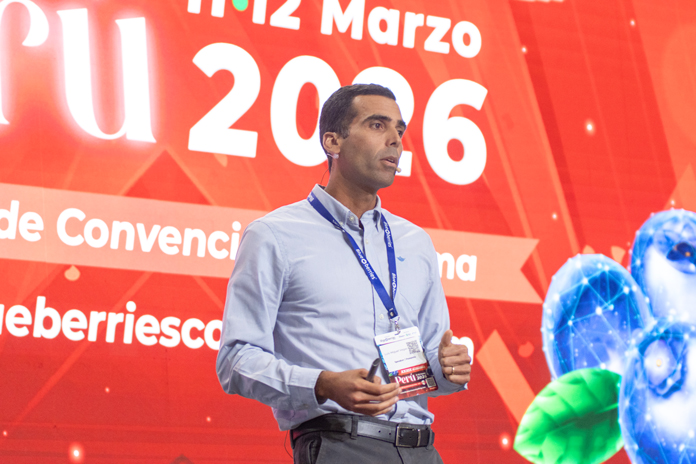
Luis Miguel Vegas, General Manager of Proarándanos © Blueberries Consulting
Climate and market: data to anticipate decisions
Planning the campaign in northern Peru requires anticipating a more variable environment, where the climate, available supply and international prices are increasingly closely related.
In that line, Pablo CortesThe agronomist, PUCV graduate and Sales Manager at Agronometrics, will connect climate realities with price analysis and market trends. His presentation will demonstrate how market information can support production and commercial decisions in a season marked by increased planning demands.
Price information does not replace agronomic decision-making, but it allows for a better understanding of market windows, supply availability, and market response to variable weather scenarios.
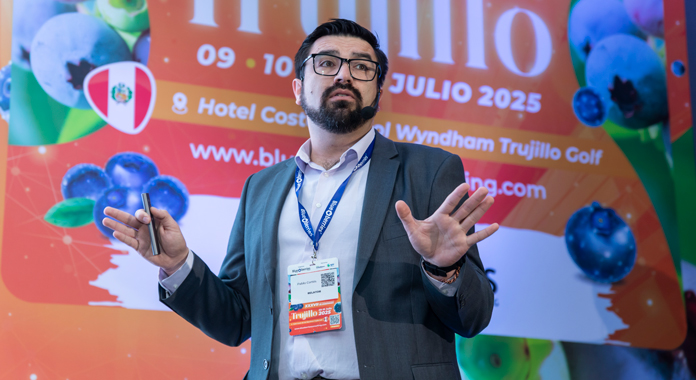
Pablo Cortés, Manager of Agronometrics © Blueberries Consulting

Varietal replacement in the face of more demanding markets
Genetics has ceased to be a modernization option and has become a central competitiveness decision. In the blueberry In Peru, the varietal change responds to an increasingly clear pressure: to produce fruit with attributes capable of sustaining value at the destination.
During the panel “Genetics, market demands and fruit quality”The conversation will address how market demands are influencing varietal decisions. Firmness, flavor, condition, post-harvest life, and commercial consistency are now crucial attributes for producers and exporters.
Companies in northern Peru no longer evaluate a variety solely based on its productivity. They also consider its ability to maintain quality, respond to specific market opportunities, and reach its destination in a condition that allows it to defend its value.

Panel discussion at the XXXVII International Blueberries Seminar Trujillo 2025 © Blueberries Consulting

Arrival condition: where the strategy is validated
The condition of the fruit upon arrival is the point where the result of many decisions made during the season is confirmed: genetics, climatic stress, nutrition, health, harvesting, packing and post-harvest.
That relationship will be addressed by Jessica RodriguezAn agronomist and consultant in post-harvest, commercialization, and marketing of fresh produce, she will give a presentation on climate change, fruit quality, and post-harvest life. Her perspective will connect production conditions with the final product as perceived by the market.
Firmness, condition, and post-harvest life are crucial attributes for sustaining commercial programs and maintaining value at the destination. Therefore, quality can no longer be understood as a final stage of the process, but rather as the result of a strategy that begins long before harvest.
In Trujillo, the conversation will integrate market, genetics and quality as three dimensions of the same decision: how to produce blueberries capable of competing in more demanding markets, under increasingly variable climatic conditions and with a growing demand for consistency.
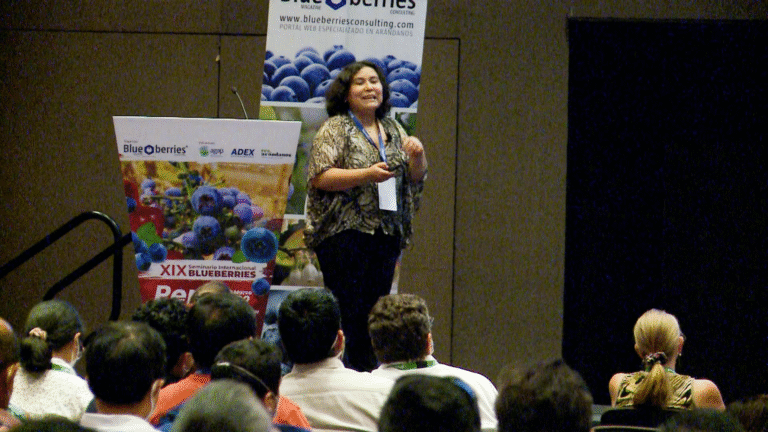
Jessica Rodríguez at the International Blueberries Chile 2022 Seminar, @Blueberries Consulting
Information about the seminar
The 42nd International Blueberries Seminar Trujillo 2026 will be held on 8 & 9 of July at the Costa del Sol Wyndham Trujillo Golf Hotel. You can get your Tickets HEREStands:contact@blueberriesconsulting.com WhatsApp: + 56 9 3469 3871
Check out the summary of the XXXVII International Blueberries Seminar Trujillo 2025 on our YouTube channel Blueberries TV.
Read also:
- Genetics promises, climate validates: Trujillo will address critical decisions for Peruvian blueberries
- The current state of the blueberry industry: Luis Miguel Vegas will present the sector's figures and projections in Trujillo.
- International Blueberry Seminars 2026: Blueberries travel through Peru, Chile, Mexico, Morocco and China
- Daniel Bustamante: “The Peruvian blueberry is positioning itself globally thanks to its genetics”
- Cort Brazelton: “New genetics are having a major impact on the global blueberry business”
Previous article
El Niño takes Peruvian blueberries from alert to campaign planningARTÍCULOS RELACIONADOS